
Clean Air Conditioner Drain Line: Complete Guide
Discover how to clean your AC drain line step by step, prevent clogs, avoid water damage, and keep your cooling system running efficiently with this comprehensive maintenance guide.
Start Cleaning GuideWhy the drain line matters: Your air conditioner removes humidity from the air as it cools your home. That moisture collects in a condensate pan and exits through a drain line. When that line clogs, water backs up, and you may face ceiling stains, mold growth, and a system that shuts down for safety. Cleaning the drain line is one of the simplest yet most important maintenance tasks you can perform.
What Is an AC Drain Line and Why Does It Clog?
The drain line (also called the condensate drain line) is a narrow pipe that carries condensed water from the indoor air handler to a drain outside or to a floor drain. Because it stays wet and dark, it becomes an ideal breeding ground for algae, mold, and slime. Dust, dirt, and insect debris can also accumulate inside, gradually narrowing the passage until water can no longer flow freely.
If you notice water leaking around your indoor unit or a musty smell, a clogged line is often the culprit. For a broader look at related symptoms, see our guide on clogged condensate drain line and central air unit leaking water in basement.
Signs You Need to Clean the Drain Line
- Water pooling in or around the indoor air handler or furnace
- Dripping water from the ceiling or walls near the AC unit
- Musty or moldy odors coming from vents or the unit
- The AC shuts off unexpectedly (float switch triggered)
- Visible algae or sludge at the drain line opening
- Reduced cooling performance or increased humidity indoors
Tools and Materials You Need
Before you begin, gather these simple items. Most homeowners already have them on hand:
- Distilled white vinegar or a commercial drain cleaner designed for AC lines
- A wet/dry shop vacuum
- A funnel or a small cup
- Clean cloth or paper towels
- Wire brush or pipe brush (optional, for stubborn clogs)
- Protective gloves and safety glasses
Safety first: Always turn off the power to your AC unit at the thermostat and the breaker before working near the indoor air handler. If you are unsure about electrical safety, call a certified HVAC technician.
Step-by-Step: How to Clean the AC Drain Line
Locate the Drain Line
Find the PVC drain pipe near your indoor air handler. It usually has a T-shaped access port or cap.
Turn Off the AC
Switch off the thermostat and the breaker to prevent the unit from running while you work.
Remove the Cap
Unscrew or pull off the access port cap. Have a towel ready, as a small amount of water may spill.
Flush with Vinegar
Pour one cup of distilled white vinegar into the line. Let it sit for 30 minutes to break down algae.
Vacuum the Line
Use a wet/dry vacuum on the outdoor end of the drain line to pull out loosened debris.
Flush with Water
Pour clean water through the line to confirm it flows freely and drains completely.
Clean the Pan
Wipe the condensate pan with a cloth and mild soap to remove slime and prevent future clogs.
Restore Power
Replace the cap, turn the breaker back on, and set the thermostat to cooling mode.
Preventive Maintenance Schedule
Regular maintenance keeps the drain line clear and extends the life of your system. The table below shows a recommended schedule based on common household conditions.
| Task | Frequency | Best For |
|---|---|---|
| Pour vinegar down the drain line | Monthly | All homes, especially humid climates |
| Full drain line flush and vacuum | Every 3–6 months | Preventive maintenance |
| Inspect condensate pan and float switch | Every 3 months | Homes with pets or high dust |
| Professional HVAC inspection | Annually | All systems |
Common Mistakes to Avoid
- Using bleach undiluted: Strong bleach can damage PVC and rubber components. Stick to vinegar or approved cleaners.
- Ignoring the float switch: If your unit has a float switch, test it regularly to ensure it shuts off the system when water backs up.
- Skipping the outdoor end: Debris often accumulates at the discharge point. Always check and clear it.
- Not checking the slope: The drain line must slope downward. A flat or uphill section traps water and encourages clogs.
If you encounter persistent issues, our article on central air unit is running but not cooling may help you diagnose related problems.
When to Call a Professional
While routine drain line cleaning is a straightforward DIY task, some situations require expert attention. Call a certified HVAC professional if:
- Water continues to back up after multiple cleaning attempts
- You notice mold growth inside the air handler or ductwork
- The drain line is damaged, disconnected, or improperly sloped
- Your system repeatedly shuts off due to a float switch
- You are uncomfortable working near electrical components
For related maintenance guidance, see our articles on cleaning air conditioner drain and clean mould from air conditioner.
Frequently Asked Questions
How often should I clean my air conditioner drain line?
Clean it at least once every three to six months, ideally before the cooling season begins. In humid climates or if you notice slow drainage, clean it more frequently.
What are the signs of a clogged AC drain line?
Common signs include water pooling near the indoor air handler, dripping from the ceiling, musty odors, reduced cooling performance, and the AC shutting off unexpectedly due to a float switch trip.
Can I clean my AC drain line with vinegar?
Yes, white vinegar is an effective and safe natural cleaner. Pour a cup of distilled white vinegar down the drain line access port monthly to break down algae and slime buildup.
Why does my AC drain line keep clogging?
Frequent clogs are usually caused by algae growth, dust and dirt accumulation, insect nests, or a poorly sloped drain line that traps water. Installing a float switch and maintaining regular cleaning helps prevent recurrence.
Key Takeaways
- Clean your AC drain line every 3–6 months to prevent clogs and water damage.
- Use distilled white vinegar monthly to keep algae at bay.
- Always turn off power before servicing the unit.
- Check the outdoor discharge point and the condensate pan.
- Call a professional if water backs up repeatedly or mold appears.
By following these steps, you can protect your home from water damage and keep your air conditioner running efficiently. For more maintenance tips, explore our guides on cleaning air conditioner coils and cleaning filter of air conditioner.
Recommended Products for Cleaning AC Drain Lines
⚠️ AFFILIATE DISCLOSURE: This website contains affiliate links. As an Amazon Associate, we earn from qualifying purchases. If you make a purchase through these links, we may receive a small commission at no additional cost to you. Read our full affiliate policy.

The Famous AC Drain Line Cleaner & Vacuum Adapter for HVAC Condensate Clogs | HVAC Drain Line Unclogger Tool, NO Plumber Needed. Universal Fit Wet/Dry Shop Vac Hose, Clear See-Through Fitting, DIY
Check price on Amazon
AC Drain Line Cleaner - 4 Pack / 12 Month Supply - Cleans HVAC drain lines, condensate lines, and more
Check price on Amazon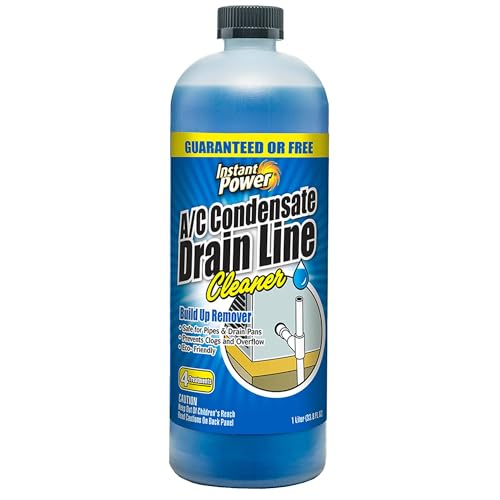
Instant Power A/C Condensate Drain Line Cleaner & Maintainer, 32 oz | Clears sludge, debris, mold, algae buildup to prevent AC & HVAC clogs, prevent condensate pan overflow, odors & water damage
Check price on Amazon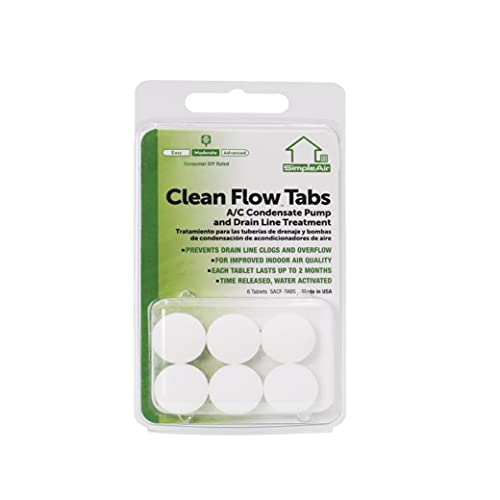
SimpleAir SACF Drain Line Clean Flow Tabs, for AC Units, HVAC Systems, Dehumidifiers, Condensate Drain Line Applications, 6 Count (1 Pack)
Check price on Amazon
GAGALOR HVAC Drain Tool AC Drain Line Unclogger Vacuum Attachment A/C Condensate Drain Line Cleaner Adapter (1 PACK)
Check price on Amazon
HVAC Guys Flow Treat AC Pan Tablets, 200 Count | AC Drain Line Cleaner Tabs | Made in the USA | Condensate Pan Tablets for Central AC, Mini Splits & Heat Pumps | Prevents Clogs, Overflow & Odors
Check price on Amazon
Unclog AC Drain Line Cleaner | Automatic HVAC Condensate Cleaning System | Air Conditioner Drain Line Maintenance | Prevents Clogs, Overflow & Water Damage | Easy Installation
Check price on Amazon