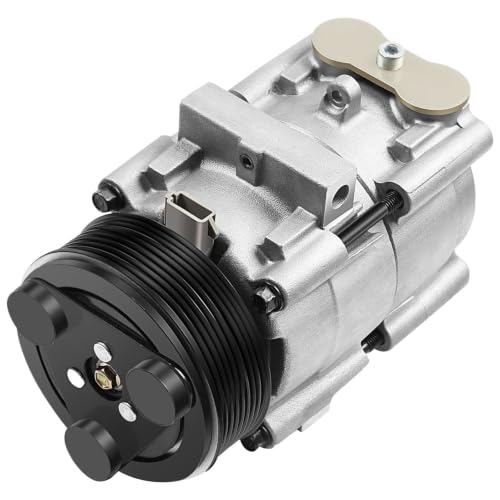
Compressor on Air Conditioner Not Working: Causes, Diagnosis & Repair Options
Your AC is running but blowing warm air, or the outdoor unit stays silent. Learn why the compressor fails to start, how to diagnose the problem safely, and what repair path makes the most sense for your system.
Start TroubleshootingThe compressor is the heart of your air conditioning system. It circulates refrigerant between the indoor evaporator coil and the outdoor condenser coil, moving heat out of your home. When the compressor stops working, the system may still blow air, but that air will not be cool. Understanding the symptoms and root causes helps you decide whether to repair, replace, or call a professional immediately.
Signs the Compressor Is Not Working
The compressor lives inside the outdoor condensing unit. When it fails to start or runs improperly, you will usually notice one or more of the following symptoms:
- Warm or room-temperature air from the vents. The indoor blower fan runs, but the air is not cooled because the compressor is not circulating refrigerant.
- Outdoor unit is silent. You hear the indoor fan but the outdoor condenser fan and compressor do not start.
- Outdoor fan runs but air stays warm. The condenser fan motor may work while the compressor itself has failed — a common and easily misread situation.
- Humming or clicking noise from the outdoor unit. A humming sound without the compressor engaging often points to a failed capacitor or seized compressor.
- Tripped circuit breaker. The breaker at the electrical panel trips shortly after the AC turns on, indicating a short, ground fault, or an overloaded compressor.
- Ice on the refrigerant lines. Frost or ice on the suction line or indoor coil can indicate low refrigerant or a compressor that is not pumping efficiently.
- Frequent short cycling. The system turns on and off rapidly as the compressor struggles to build pressure.
Common Causes of a Compressor That Will Not Start
Compressor failure is rarely caused by the compressor alone. In many cases, a supporting component has failed and the compressor is simply the visible symptom. The table below summarizes the most frequent causes, what they look like, and whether they are typically a DIY check or a technician job.
| Cause | What You May Notice | Typical Handling |
|---|---|---|
| Tripped breaker or blown fuse | No power at all to the outdoor unit; breaker will not stay reset | Homeowner can reset once; repeated trips require a technician |
| Failed run capacitor or start capacitor | Humming sound, compressor tries to start but stalls; capacitor may look bulged | Technician job — capacitors store a charge and must be discharged safely |
| Faulty contactor | Contactor does not pull in; pitted or burnt contacts; compressor never receives power | Technician job — line voltage component |
| Low refrigerant charge | Ice on lines, weak cooling, compressor may overheat and trip on internal overload | Technician job — requires EPA-certified handling and leak detection |
| Thermostat or control board issue | Indoor unit runs but no signal reaches the outdoor unit; display errors | Basic thermostat checks are DIY; control board diagnosis is a technician task |
| Seized or mechanically failed compressor | Loud hum then breaker trip; compressor windings may test open or shorted | Technician job — compressor replacement or system replacement decision |
| Dirty condenser coil or blocked airflow | High head pressure, compressor overheats and shuts off on overload | Homeowner can clean the coil and clear debris safely |
| Electrical wiring or disconnect fault | No power at the outdoor disconnect; burnt wire ends | Technician job — electrical safety risk |
If you want a deeper explanation of how the compressor fits into the overall system, read our overview of the compressor for an AC unit and how it interacts with the condenser in an air conditioner.
Safe Diagnostic Steps You Can Take
Before calling a technician, perform these non-invasive checks. They cost nothing, take only a few minutes, and often reveal a simple fix.
1. Confirm the thermostat is calling for cooling
Set the thermostat several degrees below room temperature and select COOL. Wait a few minutes. If the indoor blower starts but the outdoor unit does not, the thermostat is likely working and the problem is downstream.
2. Check the air filter and indoor airflow
A severely clogged filter can cause the evaporator coil to freeze, which in turn stresses the compressor. Replace the filter if it is visibly loaded with dust. Learn the correct schedule in our guide on when to replace the AC filter.
3. Inspect the outdoor unit for obvious obstructions
Clear leaves, grass clippings, and debris from around the condenser. Make sure the fan blade spins freely by hand when the power is off. A blocked coil raises head pressure and can force the compressor into overload shutdown.
4. Reset the breaker once
Locate the dedicated breaker for the outdoor unit at the main panel. If it is tripped, reset it once and observe. If it trips again immediately, stop and call a technician — repeated resets can damage the compressor.
5. Check the outdoor disconnect
Many homes have a disconnect box near the condenser. Confirm the pull-out or switch is fully engaged. This is a visual check only — do not open the box.
Repair vs. Replace: How to Decide
Once a technician confirms the compressor has failed, you face a decision: replace the compressor or replace the entire outdoor unit (or full system). Several factors shape that choice.
- Age of the system. If the air conditioner is more than 10–12 years old, a full system replacement is often the more logical long-term investment. A new compressor in an aging system may be followed by other failures.
- Refrigerant type. Older systems using phased-out refrigerants can make compressor replacement complicated and less attractive. Newer systems using current refrigerants are more straightforward to repair.
- Condition of the rest of the system. A failing evaporator coil, rusted cabinet, or repeated prior repairs suggest replacement is the better path.
- Warranty coverage. If the compressor is still under warranty, repair is usually the clear choice. Check your paperwork and our guide on AC warranty claims.
- Efficiency gains. Replacing an older system with a modern high-efficiency unit can reduce long-term energy use, which is a strong argument for replacement when the system is already near end of life.
For a closer look at what a compressor replacement involves, see our page on compressor replacement for HVAC systems and our broader overview of HVAC compressors.
When to Call an HVAC Technician
Call a licensed technician immediately if any of the following apply:
- The breaker trips repeatedly after a single reset.
- You smell burning plastic or see scorch marks near the outdoor disconnect.
- The outdoor unit hums loudly but the compressor never starts.
- You suspect a refrigerant leak (ice on lines, hissing sound, oily residue).
- The compressor has been confirmed dead by a prior diagnosis and you need a replacement decision.
Use our guide on when to call an HVAC technician to understand what to expect during a service visit, and our page on how to choose an HVAC contractor to select a qualified professional in your area.
Frequently Asked Questions
Why is my AC compressor not turning on?
Common causes include a tripped breaker, a failed run or start capacitor, a faulty contactor, low refrigerant charge, a thermostat malfunction, or a mechanically failed compressor. Begin with the simplest checks — thermostat setting, air filter, breaker, and outdoor disconnect — before calling a technician for component-level diagnosis.
Can I replace an AC compressor myself?
No, in almost all cases. Compressor replacement requires EPA Section 608 certification to handle refrigerant, brazing tools, a vacuum pump, manifold gauges, and line-voltage electrical experience. Attempting this as a DIY project risks injury, refrigerant release, and system damage. Hire a licensed HVAC technician.
How do I know if my AC compressor is bad?
Signs of a failing compressor include the outdoor unit not running, a humming noise without the fan or compressor engaging, warm air from the vents, a breaker that trips shortly after startup, and ice on the refrigerant lines. A technician confirms the diagnosis with a multimeter test of the windings and a check of starting components.
Is it better to repair or replace a failed compressor?
It depends on the age of the system, the refrigerant type, and the overall condition of the unit. For systems under about 10 years old with a valid warranty, compressor replacement is usually the better path. For older systems, or when other major components are also near failure, replacing the entire outdoor unit or full system is often the more logical long-term investment.
How long does a compressor replacement take?
A compressor replacement typically takes a qualified technician several hours, depending on system accessibility, whether the refrigerant must be recovered and recharged, and whether the filter drier and other components are replaced at the same time. Plan for the system to be offline for most of a day.