Compressor Replacement Cost HVAC: Complete Guide to AC Compressor Repair
Understand how HVAC compressors work, recognize failure symptoms, evaluate replacement options, and make an informed decision about repairing or replacing your air conditioning compressor.
What Is an HVAC Compressor?
The compressor is the heart of your air conditioning system. It is a mechanical pump located in the outdoor condensing unit that circulates refrigerant between the indoor evaporator coil and the outdoor condenser coil. Without a functioning compressor, your system cannot move heat from inside your home to the outside environment, which means no cooling.
In a split-system air conditioner, the compressor sits inside the condensing unit alongside the condenser coil and condenser fan. When you hear the outdoor unit humming during a cooling cycle, that sound is primarily the compressor and condenser fan working together. The compressor raises the pressure and temperature of the refrigerant gas so that heat can be released outdoors.
Compressors come in several designs, including reciprocating, scroll, and rotary types. Modern inverter-driven systems use variable-speed compressors that modulate output to match cooling demand, while traditional single-stage systems run the compressor at full capacity or not at all. The type of compressor in your system affects replacement complexity and the overall reliability of the unit.
How a Compressor Works in Your AC System
Understanding the compressor's role helps you appreciate why replacement is a significant service. The refrigeration cycle has four main stages, and the compressor drives two of them:
- Compression: Low-pressure refrigerant gas returns from the indoor evaporator coil. The compressor draws it in and compresses it, raising both pressure and temperature.
- Condensation: The hot, high-pressure gas enters the condenser coil, where it releases heat to the outdoor air and condenses into a liquid.
- Expansion: The liquid refrigerant passes through an expansion valve, dropping in pressure and temperature.
- Evaporation: The cold refrigerant enters the indoor evaporator coil, absorbs heat from your home's air, and returns to the compressor as a gas to repeat the cycle.
Because the compressor operates under high mechanical stress and handles pressurized refrigerant, it is one of the most expensive components to replace in an HVAC system. A failing compressor HVAC unit can bring your entire cooling system to a halt, making prompt diagnosis and service essential.
Signs Your Compressor Needs Replacement
Compressor failure rarely happens without warning. Recognizing the early signs can help you plan for service before a complete breakdown occurs during peak summer heat. Here are the most common symptoms:
Warm Air From Vents
The system runs but blows warm or room-temperature air. This often indicates the compressor is not pumping refrigerant, though it can also point to a refrigerant leak or compressor not working due to electrical failure.
Loud Grinding or Humming
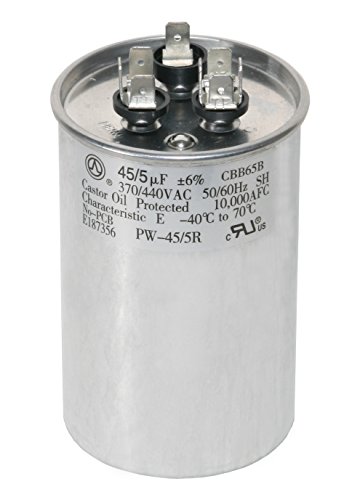
Unusual noises such as grinding, screeching, or persistent humming from the outdoor unit can signal internal mechanical wear or a failing motor. A compressor that hums but does not start may have a seized rotor or failed capacitor.
Frequent Breaker Trips
If your AC breaker trips repeatedly, the compressor may be drawing excessive current due to a short circuit, ground fault, or mechanical binding. This is a safety concern that requires immediate professional attention.
Refrigerant Leaks
Oil residue or frost around the compressor terminals can indicate a refrigerant leak. A compressor that has run low on refrigerant for an extended period may overheat and fail prematurely.
Compressor Won't Start
If the outdoor unit does not engage at all, the compressor may have failed electrically or mechanically. A technician can test the windings, capacitor, and contactor to confirm the cause.
High Energy Bills
A failing compressor loses efficiency, forcing the system to run longer to achieve the same cooling. A gradual rise in energy consumption without a change in usage habits can be an early warning sign.
If you notice any of these symptoms, schedule a professional diagnostic visit. Early detection can sometimes allow for a repair rather than a full compressor replacement, and it prevents secondary damage to other components.
The Compressor Replacement Process
Compressor replacement is a multi-step procedure that requires specialized tools, refrigerant handling certification, and electrical expertise. Understanding what the job involves helps you evaluate contractor proposals and set realistic expectations.
Step 1: Diagnosis and Confirmation
The technician verifies that the compressor is indeed the failed component. This involves electrical testing of the compressor windings, checking the capacitor and contactor, measuring refrigerant pressures, and inspecting for leaks. Only after confirming compressor failure should replacement be recommended.
Step 2: Refrigerant Recovery
Federal regulations require that refrigerant be recovered rather than released into the atmosphere. The technician uses a recovery machine to remove refrigerant from the system and store it for proper disposal or recycling. This step is mandatory and adds time to the job.
Step 3: Compressor Removal
The outdoor unit is opened, electrical connections are disconnected, and the refrigerant lines are carefully detached. The old compressor is unbolted and removed. The technician also inspects the lines for debris or acid contamination, which can occur after a compressor burnout.
Step 4: System Flushing and Filter Replacement
If the old compressor failed mechanically, metal debris may have circulated through the system. The technician flushes the refrigerant lines and may replace the filter drier to prevent contamination from damaging the new compressor. This step is critical for warranty validity.
Step 5: New Compressor Installation
The new compressor is mounted, electrical connections are re-established, and the refrigerant lines are reconnected. The technician then evacuates the system with a vacuum pump to remove moisture and air before recharging with refrigerant.
Step 6: Testing and Verification
The system is started and tested for proper operation. The technician checks refrigerant charge, compressor amp draw, temperature differential, and overall system performance. A final walkthrough confirms that cooling is restored and no leaks are present.
Compressor Tiers and What to Expect
Compressors are available in different quality and performance tiers. The tier you choose affects reliability, noise level, and compatibility with your existing system. Use the table below to understand how compressors are categorized in the market.
| Tier | Category | Best For | Key Characteristics |
|---|---|---|---|
| Essential Tier | Entry-level replacement compressors | Older systems with limited remaining lifespan | Basic reciprocating design, standard efficiency, solid build for the category, suitable when the outdoor unit is in fair condition |
| Balanced Tier | Mid-range OEM and aftermarket compressors | Systems with several years of service remaining | Scroll or improved reciprocating design, better tolerance for voltage fluctuations, competitive within its class for reliability |
| High-End Tier | Premium OEM compressors | Modern high-efficiency systems still under partial warranty | Advanced scroll design, smoother operation, feature-rich for its class, designed for extended service life |
| Top-Tier | Variable-speed and inverter compressors | High-performance systems and premium installations | Variable-speed operation, precise temperature control, quiet operation, long-term investment for efficiency-focused homeowners |
When selecting a replacement compressor, compatibility with your existing system is the most important factor. A compressor that is over-specified or under-specified for the system can lead to reliability issues. Your HVAC contractor should match the replacement to the original equipment specifications or recommend a compatible upgrade.
For systems that are still under manufacturer warranty, using an approved OEM compressor is typically required to maintain coverage. Aftermarket compressors may be suitable for older systems where warranty coverage has expired.
Repair vs Replace: Decision Framework
One of the most common questions homeowners face is whether to replace just the compressor or the entire outdoor unit or system. The decision depends on several factors, including system age, overall condition, and efficiency goals.
Factors Favoring Compressor-Only Replacement
- The system is less than ten years old and otherwise in good condition.
- The outdoor coil and indoor coil are clean and undamaged.
- The compressor failure is isolated and not caused by system-wide contamination.
- The system uses a refrigerant type that is still readily available.
- Budget considerations favor a targeted repair over a full system replacement.
Factors Favoring Full System Replacement
- The system is twelve to fifteen years old or older.
- The outdoor coil is damaged or the system has a history of repeated repairs.
- The system uses R-22 refrigerant, which is phased out and no longer produced.
- You plan to stay in the home long-term and want improved efficiency and warranty coverage.
- The compressor failure was caused by a refrigerant leak or electrical issue that may recur.
As a general guideline, if the compressor replacement represents a significant portion of the value of a new system and the existing system is already near the end of its expected lifespan, full replacement often provides better long-term value. Conversely, a relatively young system with a failed compressor is usually worth repairing.
For a deeper look at compressor options, see our guide on compressor for AC unit selection and compatibility.
How to Choose an HVAC Contractor
Compressor replacement is not a DIY project. It requires EPA Section 608 certification for refrigerant handling, specialized tools, and experience with electrical and mechanical systems. Choosing the right contractor is essential for a safe and durable repair.
What to Look For
- Licensing and insurance: Verify that the contractor holds a valid HVAC license and carries liability insurance and workers' compensation coverage.
- EPA certification: Ask for proof that the technicians are certified to handle refrigerants.
- Written estimates: Request a detailed written proposal that specifies the compressor model, labor, refrigerant handling, and any additional parts.
- Warranty terms: Confirm the warranty on both the compressor part and the labor. A typical compressor warranty ranges from one to five years depending on the tier.
- References and reviews: Check online reviews and ask for references from recent compressor replacement jobs.
If you are also considering broader system work, resources on companies that install air conditioners can help you compare full-service providers. For systems with ductless components, see companies that install ductless air conditioners as well.
Not Sure Whether to Repair or Replace?
Use our detailed guides to evaluate your options before committing to a service call.
Explore Compressor Replacement OptionsPreventive Care to Extend Compressor Life
While some compressor failures are unavoidable, routine maintenance significantly reduces the risk of premature failure. The compressor is a sealed mechanical component, but the conditions around it determine how long it lasts.
Maintenance Practices That Protect the Compressor
- Keep the condenser coil clean: A dirty condenser coil forces the compressor to work harder and raises operating temperatures. Clean the coil annually or as needed. See our guide on condenser coil cleaning for step-by-step instructions.
- Replace air filters regularly: Restricted airflow reduces system efficiency and can cause the evaporator coil to freeze, which stresses the compressor.
- Schedule professional tune-ups: Annual inspections catch refrigerant leaks, electrical issues, and capacitor degradation before they cause compressor failure. Learn more about HVAC tune-up services.
- Maintain proper refrigerant charge: Undercharge or overcharge both damage the compressor over time. Only a certified technician should adjust refrigerant levels.
- Ensure adequate outdoor unit clearance: Keep at least two feet of clearance around the outdoor unit to allow proper airflow.
- Monitor electrical components: A failing capacitor or contactor can prevent the compressor from starting or cause it to draw high current. These components should be tested during annual service.
If you have already noticed symptoms such as compressor on air conditioner not working, avoid running the system and schedule a diagnostic visit promptly to prevent further damage.
Frequently Asked Questions
What are the signs that an HVAC compressor needs replacement?
Common signs include warm air from vents, unusual grinding or humming noises, frequent circuit breaker trips, refrigerant leaks, and a compressor that fails to start. Professional diagnosis is essential before deciding on replacement.
How long does a compressor replacement take?
A typical compressor replacement takes between four to eight hours for a qualified technician. Factors include system accessibility, whether it is a single or multi-stage unit, and any additional repairs needed such as refrigerant line flushing or filter replacement.
Should I replace the compressor or the entire HVAC system?
If your system is under ten years old and otherwise in good condition, compressor replacement is often viable. For systems over twelve to fifteen years old, replacing the entire outdoor unit or full system may provide better long-term reliability and efficiency.
Can a compressor be repaired instead of replaced?
In some cases, issues like electrical terminal damage or minor refrigerant leaks can be repaired. However, internal mechanical failure of the compressor typically requires full replacement. A technician should evaluate the specific failure mode before recommending repair or replacement.
Will a new compressor improve the efficiency of my old system?
A new compressor may restore lost efficiency, but the overall system efficiency is determined by the combination of components. If the rest of the system is aged or mismatched, replacing only the compressor will not deliver the performance of a new high-efficiency system.
How long should a new compressor last?
With proper installation and maintenance, a new compressor should last between ten and fifteen years. Factors that affect lifespan include operating conditions, refrigerant charge accuracy, electrical supply quality, and regular maintenance.
Bottom line: Compressor replacement is a significant service that requires careful evaluation. Whether you choose a targeted repair or a full system replacement, understanding the process, the tier options, and the contractor qualifications ensures you make a confident decision. For related reading, explore our guides on HVAC compressor fundamentals and condensing unit components.