Cost of Putting Freon in Car Air Conditioner: What You Need to Know
A car air conditioner that blows warm air usually points to low refrigerant. This guide explains what drives the cost of putting Freon in a car air conditioner, how a proper recharge works, and how to decide whether a simple top-up or a full repair is the right path.
What "Freon" Means for Car Air Conditioning
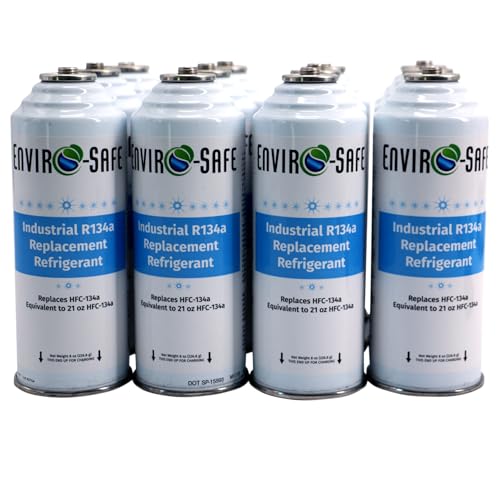
"Freon" is a brand name that many drivers use as a catch-all term for automotive refrigerant. In practice, most modern vehicles use R-134a, while newer models increasingly rely on R-1234yf because of stricter environmental rules. The important point is that a car AC is a sealed loop: refrigerant does not get "used up" the way fuel does. If the system is low, refrigerant has escaped somewhere, and simply adding more without finding the leak is a temporary fix at best.
Understanding this distinction matters because the overall outlay for putting Freon in a car air conditioner depends heavily on whether a technician performs a simple evacuation-and-recharge or also locates and seals a leak. A vehicle with a slow leak may hold a charge for a season; a vehicle with a failed O-ring or a cracked line will lose the new refrigerant quickly and put you back at square one.
Key insight: Refrigerant is a closed-loop substance. A properly sealed car AC system should never need a top-up. Needing refrigerant repeatedly is a symptom, not routine maintenance.
What Influences the Overall Outlay for a Car AC Recharge
Several variables shape what a driver ends up committing to when servicing a car air conditioner. Understanding them helps you compare quotes fairly and avoid being surprised by add-ons.
1. Refrigerant Type
R-134a has been the standard for decades and is widely available. R-1234yf, used in many newer vehicles, is more specialized and typically requires different equipment and handling. Vehicles that use R-1234yf generally sit in a higher service tier for a recharge because the refrigerant itself and the recovery equipment are more specialized.
2. System Capacity
A compact car with a small system takes less refrigerant than a large SUV or a three-row crossover. Capacity is measured in ounces or grams, and a technician will recharge to the manufacturer's specified weight rather than "topping off" by feel.
3. Whether a Leak Is Present
This is the single biggest variable. A leak-free system needs only evacuation and recharge. A leaking system needs diagnostic time, possibly UV dye, electronic leak detection, and then a repair before the recharge can hold. If the leak is at a condenser, evaporator, or a line set, the scope grows considerably.
4. Labor and Diagnostic Time
Diagnostic time varies by shop and by vehicle. Some systems are easy to access; others require removing trim panels or bumper covers to reach components. Labor rates differ by region and by whether you choose a dealership, an independent specialist, or a general service chain.
5. Parts Availability
If a repair is needed, the tier of the part matters. An entry-level O-ring kit is a very different proposition from a premium-grade condenser or a flagship-tier compressor. This guide uses tier descriptors rather than figures so the comparison stays useful over time.
| Factor | Effect on the Service | Typical Tier Signal |
|---|---|---|
| R-134a system, no leak | Evacuation and recharge only | Essential tier |
| R-1234yf system, no leak | Specialized refrigerant and equipment | Balanced tier |
| Slow leak with accessible fitting | Diagnostic plus seal or O-ring replacement | Balanced tier |
| Leak at condenser or evaporator | Component replacement plus recharge | Premium tier |
| Compressor failure | Major component work, system flush, recharge | Flagship tier |
Recharge vs. Leak Repair: Choosing the Right Path
Drivers often ask whether they can simply "top up" the refrigerant. In a sealed system, a top-up is only appropriate when the loss is negligible and the system has been verified leak-free. If a technician finds a leak, the correct sequence is repair first, then evacuate and recharge. Skipping the repair wastes refrigerant and leaves you with the same warm-air symptom shortly after.
For context on how refrigerant service fits into the broader picture of home cooling, the same sealed-loop principle applies to residential equipment. Our guide on replacing Freon in an air conditioner walks through the homeowner version of this decision, while the per-pound breakdown for Freon explains how refrigerant quantity is measured. If you are comparing car AC service with home AC service, those references help frame the difference in scale and equipment.
Warning: Repeatedly adding refrigerant without repairing the leak is not a fix. It masks the symptom, releases refrigerant into the atmosphere, and can lead to compressor damage if lubricant is lost along with the charge.
Service Tiers at a Glance
To compare options without anchoring to volatile figures, this guide uses a tier system. The tiers describe the relative scope and market position of the service, not a specific figure.
- Essential tier: Evacuation and recharge of an R-134a system that has been verified leak-free. This is the simplest and most common service.
- Balanced tier: Recharge plus diagnostic work, such as UV dye inspection, electronic leak detection, or replacement of an accessible O-ring or Schrader valve.
- Premium tier: Recharge plus replacement of a mid-range component such as a condenser, expansion valve, or line set, followed by evacuation and recharge.
- Flagship tier: Major system work involving the compressor, a system flush, receiver-drier replacement, and a full recharge. This is the top-tier scenario and should be reserved for confirmed major failures.
When you request quotes, ask the shop to state which tier the job falls into and why. A shop that explains the diagnostic reasoning is easier to trust than one that quotes a single number without context.
Signs Your Car AC Needs Refrigerant Service
Recognizing the symptoms early can prevent a small seal issue from becoming a compressor failure. Watch for these signals:
- Warm air from the vents while the fan runs normally. This is the classic low-charge symptom.
- Cooling that fades at idle but returns while driving. Low charge often shows up first when the compressor spins slowly.
- Rapid compressor cycling — the clutch engages and disengages frequently because the low-pressure switch is tripping.
- Visible oily residue around fittings or lines, which can indicate refrigerant oil escaping with the charge.
- Hissing or bubbling sounds near the dash or engine bay when the AC runs.
- Musty or unusual odors from the vents, which may point to moisture or evaporator issues rather than charge alone.
If you notice any of these, have the system inspected before adding refrigerant. A proper inspection distinguishes a low charge from a failing compressor or a blocked expansion valve.
How a Professional Car AC Recharge Works
A correct recharge is more than attaching a can. A professional service follows a sequence designed to protect the system and verify the result.
- Inspection and performance check. The technician measures vent temperature and system pressures to confirm the complaint and establish a baseline.
- Leak detection. UV dye, electronic sniffers, or pressure testing identify whether refrigerant is escaping and where.
- Recovery. Any remaining refrigerant is recovered into a service machine rather than vented to the atmosphere.
- Evacuation. The system is pulled into a vacuum to remove moisture and non-condensable gases. This step is what separates a proper recharge from a can-and-hose top-up.
- Recharge by weight. Refrigerant is added to the manufacturer's specified amount, not estimated by pressure alone.
- Verification. Vent temperature and pressures are rechecked, and the system is monitored for stability.
This sequence is why a professional service sits in a different tier than a retail top-up kit. The evacuation and weighing steps are the difference between a durable result and a short-lived one.
Risks of DIY Recharge Kits
Retail recharge kits are widely available, and some drivers use them successfully on a verified leak-free system. However, the risks are real and worth understanding before choosing that route.
- Overcharging. Adding refrigerant by gauge pressure without weighing can overfill the system, which raises pressures and reduces cooling.
- Moisture introduction. Kits that skip evacuation can trap air and moisture, which form acids and damage the compressor over time.
- Masking leaks. A kit can temporarily restore cooling while a leak continues, delaying the repair that would actually solve the problem.
- Refrigerant mismatch. Using the wrong refrigerant or a sealant product can contaminate the system and complicate later professional service.
- Environmental and safety concerns. Refrigerant must be recovered, not vented. Proper handling protects both the technician and the environment.
If you do choose a kit, confirm the system is leak-free first, use the correct refrigerant for your vehicle, and follow the manufacturer's instructions precisely. When in doubt, a professional evacuation and recharge is the more reliable path.
Refrigerant Types and Compatibility
Refrigerant type is one of the clearest dividers between service tiers. Mixing types or using an incompatible substitute can damage the system and void warranties.
| Refrigerant | Common Use | Service Consideration |
|---|---|---|
| R-134a | Most vehicles from the 1990s through the 2010s | Widely available; standard recovery equipment |
| R-1234yf | Many newer vehicles due to lower global warming potential | Specialized equipment; higher service tier |
| R-12 (legacy) | Older vehicles only | Restricted; requires retrofit or specialist handling |
Check the under-hood label or the owner's manual to confirm which refrigerant your vehicle uses. Never substitute one type for another, and never mix refrigerants. If a shop proposes a "universal" refrigerant, ask for the specification in writing.
For readers who also maintain home cooling equipment, the same discipline applies: know the specified refrigerant and insist on recovery and weighing. Our overview of having Freon put in an AC unit covers the residential equivalent, and adding Freon to a home air conditioner explains when a top-up is appropriate at home.
Keeping the Car AC System Healthy Between Services
Preventive habits reduce the chance of a major repair and keep the system in the lower service tiers.
- Run the AC regularly, even in cool weather. Brief operation circulates lubricant and keeps seals from drying out.
- Keep the condenser clean. Debris and bugs on the condenser reduce heat transfer and raise pressures.
- Replace the cabin air filter on schedule. A clogged filter reduces airflow and can make a healthy system feel weak.
- Address small leaks early. A slow leak caught at an O-ring is a far smaller job than a compressor failure.
- Listen for changes. New noises, cycling, or a gradual loss of cooling are early signals worth investigating.
If you are comparing vehicle and home maintenance, our guides on servicing an air conditioning unit and replacing an HVAC compressor show how the same sealed-loop principles scale up to residential systems.
Frequently Asked Questions
How often does a car air conditioner need refrigerant?
A properly sealed system does not consume refrigerant, so it should not need routine top-ups. If you find yourself adding refrigerant repeatedly, the system has a leak that should be located and repaired.
Can I just add a can of refrigerant myself?
You can, but only if the system is verified leak-free and you use the correct refrigerant. DIY kits that skip evacuation can trap moisture and air, and pressure-based filling can overcharge the system. A professional evacuation and recharge by weight is the more reliable approach.
Why does my car AC blow warm air after a recharge?
If cooling returns briefly and then fades, a leak is the most likely cause. Other possibilities include an overcharged system, a failing compressor, a blocked expansion valve, or a blend door issue. A pressure and temperature check will narrow it down.
Does the refrigerant type affect the service tier?
Yes. R-1234yf systems typically sit in a higher service tier than R-134a systems because the refrigerant and recovery equipment are more specialized. The tier reflects equipment and handling requirements, not a specific figure.
Is it safe to keep driving with a leaking AC?
Driving with a leaking AC is generally not a safety hazard, but continued operation with low charge can allow the compressor to run without adequate lubricant, which risks a flagship-tier failure. Addressing the leak early is the prudent choice.
What should I ask a shop before booking a recharge?
Ask whether the service includes leak detection, whether the system will be evacuated before recharging, whether refrigerant is added by weight, and which tier the job falls into. A shop that explains these steps is easier to compare against alternatives.
Final Thoughts
The cost of putting Freon in a car air conditioner is best understood as a range of service tiers rather than a single figure. A verified leak-free system that needs only evacuation and recharge sits at the essential tier. A system with a slow leak moves into the balanced tier once diagnostic work and a small repair are included. Component replacement and compressor work sit in the premium and flagship tiers respectively.
The most useful step a driver can take is to insist on diagnosis before recharge. That single habit separates a durable repair from a temporary top-up and keeps the system in the lower tiers over the life of the vehicle. For related reading on residential systems, our guides on replacing Freon in an air conditioner and repairing a Freon leak in central air apply the same sealed-loop logic to home cooling.