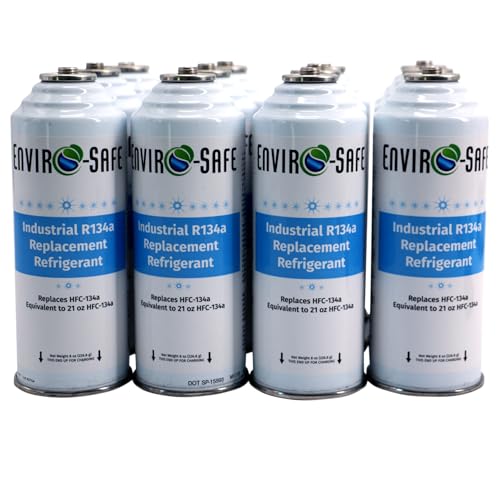
What Freon Is and Why It Matters
"Freon" is a trade name that has become a common term for refrigerant — the chemical fluid that circulates through your air conditioner's closed loop. Refrigerant absorbs heat from inside your home and releases it outdoors, making the cooling process possible. Without the correct charge of refrigerant, an AC cannot cool effectively, no matter how well the compressor and fans are working.
Contrary to a persistent myth, a healthy air conditioner does not "use up" refrigerant over time. The system is sealed, and the refrigerant charge should last the life of the equipment. If refrigerant is low, it means some has escaped through a leak. That is why simply topping off the system without addressing the leak is a temporary fix at best.
Signs Your AC Is Low on Refrigerant
Low refrigerant produces a fairly recognizable set of symptoms. Keep in mind that several of these can also point to other faults, such as a dirty filter, a failing blower, or a clogged drain line, so professional diagnosis is essential.
- Weak cooling or warm air from vents: The most common complaint. The system runs, but the air never feels properly chilled.
- Ice buildup on the indoor coil or refrigerant lines: Low pressure causes the coil to drop below freezing, and condensation freezes on it.
- Hissing or bubbling sounds: These can indicate refrigerant escaping through a leak in the line set or coil.
- Longer run times and higher energy use: The system struggles to reach the thermostat setpoint and keeps running.
- Compressor overheating or short cycling: In severe cases, the compressor may overheat and shut down on a safety switch.
Important Safety Note
Refrigerant is under pressure and can cause frostbite or injury if mishandled. Recharging also requires EPA Section 608 certification in the United States. This is not a do-it-yourself task — always use a licensed HVAC technician.
Leak Detection Comes First
A professional refrigerant service should always begin with leak detection. Adding refrigerant to a leaking system is sometimes called "topping off," but it is a temporary measure that wastes refrigerant and leaves the underlying problem in place. A thorough technician will use electronic leak detectors, UV dye, or pressure testing to locate the leak before recharging.
Once the leak is found, the repair might involve tightening a flare fitting, replacing a Schrader valve, brazing a pinhole in the line set, or replacing a leaking evaporator or condenser coil. Only after the leak is repaired should the system be evacuated with a vacuum pump and recharged to the manufacturer's specified weight. This proper procedure removes moisture and non-condensable gases that would otherwise damage the compressor.
If you suspect a leak in the central system, the process and pricing structure are similar to what you would see in a dedicated freon leak repair for central air service.
How a Professional Recharge Works
Understanding the steps helps you evaluate quotes and avoid shortcuts. A proper recharge follows a sequence like this:
- Diagnosis and leak detection: Confirm the system is actually low on refrigerant and find the leak.
- Leak repair: Fix the faulty component, fitting, or coil.
- Evacuation: Pull a deep vacuum on the system to remove air and moisture.
- Weigh-in charging: Add the exact refrigerant charge specified on the unit's rating plate, measured by weight for accuracy.
- Verification: Check superheat and subcooling, confirm pressures are within range, and measure the temperature split across the coil.
For a simple connection or valve repair, the job may be quick. For a coil replacement, the work is more involved and resembles the scope of a coil replacement on an air conditioner, which includes reclaiming refrigerant, cutting and brazing, and a full recharge.
Refrigerant Types and Compatibility
Not all refrigerants are interchangeable. Using the wrong type can damage the system and void the warranty. The most common types you will encounter:
| Refrigerant | Typical Systems | Status / Notes |
|---|---|---|
| R-22 (Freon) | Older AC systems installed before 2010 | Phased out for new equipment; supplies are limited and handling costs are higher |
| R-410A (Puron) | Most systems installed from 2010 to recent years | Common, operates at higher pressure; requires compatible components |
| R-32 | Newer high-efficiency systems | Lower global warming potential; increasingly common in new equipment |
| R-454B | Newest systems meeting updated standards | Low-GWP blend; used in modern replacements |
If your system uses R-22, the decision to repair becomes more complex. Because R-22 is no longer produced, the refrigerant itself is harder to source, and mixing or substituting refrigerants is not permitted. In many cases, homeowners facing an R-22 leak choose to replace the system rather than invest in a repair that may recur. The broader replacement of an air conditioning unit may be a more sensible long-term path than repeated repairs on an aging R-22 system.
Factors That Influence the Job
When comparing service options, it helps to know what drives the scope of work. These are the main variables:
- Type of refrigerant: Common modern refrigerants are more widely available; phased-out types require special handling and sourcing.
- Amount needed: A small top-off after a minor repair differs from a full charge on a large system.
- Leak location and severity: Accessible fittings are straightforward; leaks inside a coil or in a finished wall are more labor-intensive.
- System size and type: Larger central systems hold more refrigerant than a mini-split or window unit.
- Diagnostic and evacuation time: Proper leak detection and vacuum procedures take time and equipment.
- Labor market: Regional labor rates vary, and emergency or after-hours service typically adds a premium.
For planning purposes, it also helps to understand how refrigerant is measured and billed; a dedicated overview of freon per pound explains the unit basis technicians use when quoting a recharge.
Repair vs. Replace: Making the Call
The right decision depends on the age of the equipment, the refrigerant type, and the extent of the repair. Consider these general guidelines:
- System under 10 years old, modern refrigerant, single accessible leak: Repair and recharge is usually the sensible choice.
- System over 12–15 years old, especially with R-22: Replacement is often the better long-term investment, particularly if the compressor or coil is also aging.
- Multiple leaks or a leaking evaporator coil: The repair scope approaches the level of a coil replacement, and a full system evaluation is warranted.
- Frequent recharge requests: Repeated top-offs without leak repair point to a persistent problem that should be resolved properly or addressed with replacement.
If you are weighing options, reviewing typical figures for replacing freon in an air conditioner alongside the broader replacement of the condenser can clarify the trade-offs. For systems where the compressor is failing as well, a compressor replacement comparison is useful.
Get a Professional Diagnosis Before You Decide
A qualified technician can confirm whether the system is low on refrigerant, find the leak, and give you a clear picture of the repair scope. Use these guides to prepare informed questions:
- Freon recharge service overview
- Adding refrigerant to a home AC
- Repairing a freon leak in central air
- Replacing the air conditioning unit
Preventing Future Refrigerant Loss
Because refrigerant loss almost always stems from a leak, prevention focuses on keeping the sealed system healthy and catching small problems early:
- Schedule annual maintenance: A technician checks pressures, inspects fittings, and verifies the charge during a seasonal tune-up.
- Keep the outdoor unit clean: Clear debris from around the condenser and gently clean the coils to reduce stress on the system.
- Replace air filters regularly: Restricted airflow strains the system and can contribute to coil icing that masks or worsens refrigerant issues.
- Address symptoms early: Weak cooling or ice buildup should prompt a service call rather than a "wait and see" approach.
- Ask for leak detection during service: If a top-off is ever suggested, insist that a leak search be performed first.
Frequently Asked Questions
How often does an air conditioner need refrigerant?
A properly sealed system does not consume refrigerant during normal operation. Refrigerant should only be added when a leak is present or after a major repair. If your system needs refrigerant, a leak must be found and fixed first.
What are the signs that my AC is low on freon?
Common signs include weak cooling, warm air from vents, ice buildup on the indoor coil or refrigerant lines, hissing or bubbling sounds, and longer run times. These symptoms can also indicate other faults, so a professional diagnosis is recommended.
Can I recharge my AC refrigerant myself?
Recharging refrigerant requires specialized equipment, EPA certification in the United States, and knowledge of safe handling procedures. DIY refrigerant recharge is not recommended and is often illegal without proper certification. Always hire a licensed HVAC technician.
What refrigerant types are used in modern AC systems?
Modern systems primarily use R-410A, and newer equipment increasingly uses R-32 or R-454B. Older systems may use R-22 (freon), which has been phased out due to environmental regulations. The correct refrigerant must match your system.
Is it better to replace or repair an AC with a refrigerant leak?
The decision depends on the system's age, the severity of the leak, and the refrigerant type. For older systems using phased-out refrigerants or those with multiple leaks, replacement may be a better long-term investment. A technician can help evaluate the options.