Cost to Install a Minisplit: Complete Planning Guide
Everything you need to know about the investment for ductless mini-split installation — from single-zone starter systems to multi-zone premium configurations.
START PLANNINGWhy this guide matters: A mini-split installation is a long-term investment in comfort and efficiency. Understanding the factors that influence the overall investment helps you plan realistically, compare quotes confidently, and choose the right system tier for your home — without overpaying for features you do not need.
Understanding Minisplit Installation Investment
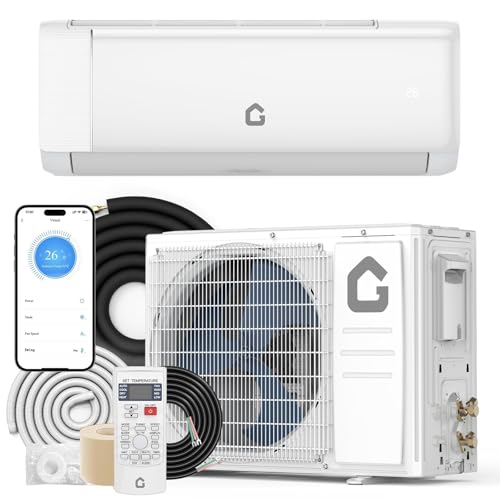
A ductless mini-split system consists of an outdoor compressor/condenser unit and one or more indoor air handlers. Installation involves mounting both units, running refrigerant lines, connecting electrical components, and commissioning the system. Because each component contributes to the total investment, the final figure varies widely based on system size, efficiency tier, and installation complexity.
For a detailed breakdown of the overall system investment, see our guide on the cost to install a ductless mini-split system. If you are comparing ductless options specifically for one room, the ductless air conditioner cost for one room resource provides a focused view.
System Tiers and Typical Investment Ranges
Rather than focusing on absolute figures, it is more useful to classify mini-split systems by tier. The tier reflects the efficiency rating, build quality, noise level, and smart features — all of which influence the overall investment.
| System Tier | Best For | Key Characteristics | Relative Investment |
|---|---|---|---|
| Entry-Level | Single room, seasonal use, rental units | Standard efficiency, basic controls, single-zone only | Lowest tier |
| Mid-Range | Primary living spaces, home offices, small apartments | Higher SEER, inverter compressor, quieter operation, Wi-Fi capable | Moderate tier |
| Premium | Multi-zone homes, large living areas, energy-conscious owners | High SEER2, multi-zone capability, advanced filtration, low-noise fans | Higher tier |
| Flagship | Whole-home ductless retrofits, luxury properties, extreme climates | Top-tier efficiency, heat-pump capability, smart zoning, premium materials | Highest tier |
For a broader comparison of ductless options across tiers, explore our ductless mini-split system cost overview. If you are considering a heat-pump variant, the ductless heating and cooling systems cost guide covers dual-purpose configurations.
Key Factors That Influence Installation Investment
Two systems of the same tier can have different installation investments depending on the home's layout and electrical infrastructure. The following factors are the most common variables.
Number of Zones
Each additional indoor air handler requires its own line set, mounting, and electrical connection. Multi-zone systems increase both equipment and labor components.
Line Set Length & Routing
Longer refrigerant runs or complex routing through finished walls add labor time and materials. Standard installations assume short, direct runs.
Electrical Work
Mini splits require dedicated circuits. If the electrical panel needs upgrading or a new outlet must be run, this adds to the installation scope.
Wall Penetration
Brick, concrete, or double-wall construction requires more time and specialized tools than standard wood-frame walls.
Indoor Unit Placement
High-wall, ceiling cassette, or floor-mounted configurations have different mounting requirements. Ceiling cassettes often require additional structural work.
Local Labor Rates
Installation labor varies by region and contractor availability. Urban areas and high-demand seasons typically have higher labor components.
Planning a Ductless Installation?
Compare system tiers, understand what affects your investment, and get quotes from qualified contractors before committing.
Explore Ductless Mini-Split AC OptionsSingle-Zone vs Multi-Zone: What Changes?
A single-zone system conditions one room or open area and is the most straightforward installation. A multi-zone system connects two to five indoor units to a single outdoor compressor, allowing independent temperature control per zone.
- Single-zone: Lower equipment tier, simpler line routing, fewer electrical connections. Ideal for additions, garages, or single rooms.
- Multi-zone: Higher equipment tier, more complex branch-box routing, multiple electrical connections. Ideal for whole-home ductless retrofits or partial-home zoning.
For homes without existing ductwork, a multi-zone ductless layout may be more practical than attempting to add central air. Learn more about ductless mini-split heat pump systems if you need both heating and cooling.
Installation Process: What You Are Paying For
Professional installation includes several critical steps that protect both performance and warranty coverage:
- Site survey and load calculation — determining the correct capacity for each zone.
- Mounting the outdoor unit — wall bracket or ground pad with proper clearance.
- Mounting indoor air handlers — high-wall, ceiling, or floor placement.
- Running refrigerant line sets — cutting, flaring, and connecting copper lines.
- Vacuuming the system — removing moisture and non-condensables before charging.
- Electrical connections — dedicated circuit, disconnect, and communication wiring.
- Condensate drainage — gravity drain or condensate pump installation.
- Commissioning and testing — refrigerant charge verification and performance check.
DIY mini-split systems are available for homeowners who are comfortable with the required skills, but proper refrigerant handling requires EPA certification. For an overview of self-installation options, see our DIY mini-split systems guide.
How Minisplit Investment Compares to Other Cooling Options
Mini splits are often compared to central air and window units. The right choice depends on your home's layout, existing infrastructure, and long-term efficiency goals.
- Vs central air: Central systems require ductwork, which is a major investment in homes without existing ducts. Mini splits avoid duct losses and allow zone control. See our cost to install central air without existing ductwork comparison for context.
- Vs window units: Window units are a starter-tier solution for single rooms. Mini splits offer higher efficiency, quieter operation, and better aesthetics, with a correspondingly higher installation scope.
- Vs portable units: Portable ACs are temporary solutions. Mini splits are permanent, higher-tier installations with better performance and longevity.
If you are evaluating whether to add cooling to an existing forced-air system instead, the cost to add air conditioning to a forced-air system guide may be more relevant.
Maximizing Long-Term Value from Your Minisplit
A mini-split is a long-term investment. Choosing the right tier and maintaining the system properly helps protect that investment over its service life.
- Match capacity to load: Oversized units short-cycle and waste energy; undersized units struggle during peak heat. A proper load calculation is essential.
- Choose the right tier: A mid-range inverter unit typically offers the best balance of efficiency and features for most homes. Entry-level units suit occasional-use spaces; premium and flagship tiers suit high-usage or multi-zone homes.
- Regular maintenance: Cleaning filters monthly and scheduling annual professional service keeps efficiency high and extends equipment life.
- Warranty compliance: Professional installation is often required to validate manufacturer warranties.
For multi-zone configurations, explore our ductless mini-split air conditioners and heating resource to understand year-round performance considerations.
Frequently Asked Questions
What factors influence the cost to install a minisplit?
The main factors include the number of indoor air handlers, the efficiency tier of the outdoor unit, installation complexity (line set length, wall penetration, electrical work), and local labor rates. Multi-zone systems and premium tiers increase the overall investment.
How long does a minisplit installation take?
A single-zone installation typically takes four to eight hours. Multi-zone systems may require one to two days, depending on the number of indoor units, routing complexity, and whether electrical upgrades are needed.
Can I install a minisplit myself?
While DIY mini split systems exist, proper refrigerant handling, vacuuming, and electrical work require specialized tools and certification. Professional installation ensures safety, warranty compliance, and optimal performance. See our DIY mini split systems guide for more details.
Is a minisplit more efficient than central air?
Mini splits are often more efficient for zone cooling because they avoid duct losses and only condition occupied spaces. Central air may be more practical for whole-home cooling in homes with existing ductwork.
Do I need a permit for minisplit installation?
Most jurisdictions require a permit for HVAC installation, including mini splits, due to electrical and refrigerant regulations. Your contractor should handle permitting as part of the installation scope. Requirements vary by location.
What is the difference between a mini-split and a ducted system?
A mini-split uses individual indoor air handlers connected directly to an outdoor unit, with no ductwork. A ducted system distributes conditioned air through a network of ducts. Mini splits are ideal for homes without ducts or for zone-specific comfort.
For a wider perspective on ductless systems, including heat-pump variants, see our ductless mini-split heat pumps overview.