2 Ton AC Replacement: Complete Guide to What to Expect
Is your 2 ton air conditioner nearing the end of its life? Learn the warning signs, what a proper replacement involves, efficiency upgrades worth considering, and how to make a confident decision before you buy.
Start With the Warning SignsAC Units Guide Philosophy: A 2 ton replacement is a significant decision for any homeowner. This guide is written to help you understand the process thoroughly — so you can ask the right questions, compare the right specifications, and choose a system that serves your home for the next decade and beyond.
What Is a 2 Ton Air Conditioner?
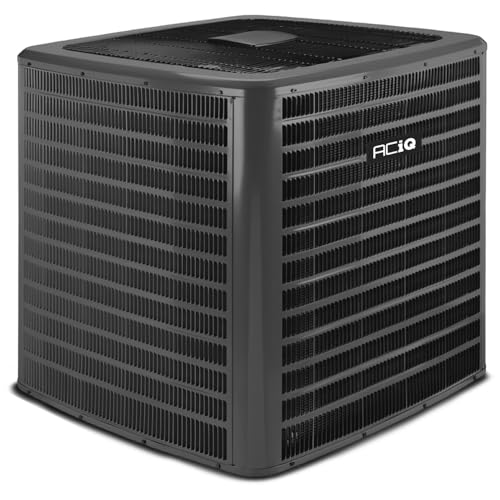
A 2 ton air conditioner is a residential cooling system rated at 24,000 BTU per hour. In HVAC terminology, "ton" does not refer to weight — it describes cooling capacity. One ton equals 12,000 BTU, so a 2 ton unit delivers exactly twice that output.
Units in this capacity class are among the most common in North American homes. They are typically paired with a matching indoor coil or air handler and connected to a central duct system. A properly sized 2 ton system is generally appropriate for a home in the 1,000 to 1,400 square foot range, though real-world sizing depends on climate, insulation quality, window area, ceiling height, and duct design.
When that unit fails or becomes unreliable, replacing it is not simply a matter of swapping one box for another. Modern refrigerants, updated efficiency standards, and revised electrical requirements mean that a replacement today involves several decisions that directly affect long-term comfort and performance.
Signs It Is Time to Replace Your 2 Ton AC
Repair-versus-replace decisions are rarely black and white. The clearest indicators that replacement makes more sense than another repair include:
Age Approaching 12–15 Years
Most residential AC units have a service life of 12 to 15 years. Once your unit passes the decade mark, efficiency losses and part failures become more frequent.
Rising Energy Consumption
If your summer electricity usage creeps upward while habits stay the same, the compressor and coils may be losing efficiency. A newer, higher-rated system can restore predictable performance.
Frequent or Expensive Repairs
Two or more major repairs within a few seasons — especially compressor, coil, or refrigerant-related work — often signal that replacement is the more sensible path.
Inconsistent Cooling
Rooms that no longer reach the thermostat setting, long runtimes, or uneven temperatures across the home can point to a failing compressor or a system that can no longer keep up.
Refrigerant Type Restrictions
Older units using phased-out refrigerants face rising service difficulty. Replacing the system avoids future refrigerant availability problems entirely.
Noise and Vibration
Grinding, rattling, or persistent vibration from the outdoor unit often indicates bearing wear or compressor degradation — both signs of end-of-life equipment.
If your system shows several of these signs at once, a replacement plan is usually the more practical route. For a broader look at how replacement decisions fit into overall system planning, the guide on HVAC system considerations provides useful context on system-level trade-offs.
What a Proper 2 Ton Replacement Includes
A well-executed replacement is more than an equipment swap. A reputable contractor will typically address the following components and steps:
1. Load Calculation and Sizing Verification
Before any equipment is ordered, a proper Manual J load calculation confirms that 2 tons is still the correct capacity for your home after any renovations, insulation upgrades, or window changes. Installing a unit that is too large causes short cycling and poor humidity control; too small means it cannot keep up on design days.
2. Matched Indoor and Outdoor Components
The outdoor condenser should be paired with a matching indoor coil or air handler. Mismatched components reduce rated efficiency, can void manufacturer warranties, and often shorten equipment life. If your furnace or air handler is also aging, replacing both at once is often the more coherent long-term plan — see combined HVAC and furnace replacement for how that decision is typically framed.
3. Line Set and Refrigerant Handling
Existing refrigerant lines may be reused if they are in good condition and correctly sized for the new equipment. Otherwise, new line sets are installed. The system is evacuated, pressure-tested, and charged according to manufacturer specifications — a step that is frequently rushed and directly affects reliability.
4. Electrical and Disconnect Verification
Modern units may require different breaker sizing or disconnect configurations than the old equipment. A qualified installer verifies the electrical panel capacity and installs a proper disconnect and overcurrent protection.
5. Ductwork Inspection
Leaky or undersized ducts can waste a significant portion of a new system's capacity. A thorough replacement includes at least a visual inspection and, ideally, a leakage assessment. Where ducts are in poor condition, sealing or partial replacement is often recommended alongside the equipment swap.
6. Thermostat and Controls
Many replacements include a new programmable or smart thermostat to match the capabilities of the new equipment. This is also the moment to confirm that the thermostat wiring supports the features you intend to use.
Efficiency Ratings: What to Look For
Efficiency is expressed primarily through SEER2 (Seasonal Energy Efficiency Ratio) for cooling and, where heat pumps are involved, HSPF2 for heating. Current federal minimums vary by region, but every replacement today will comfortably outperform a unit built 15 years ago.
| Tier | Typical Characteristics | Best For |
|---|---|---|
| Entry-level | Meets current minimum standards; single-stage compressor; basic controls | Mild climates, limited runtime, straightforward like-for-like replacement |
| Mid-range | Two-stage or variable-speed compressor; improved humidity control; quieter operation | Most homes in mixed or hot climates seeking balanced comfort and efficiency |
| Premium | Fully variable-speed inverter technology; advanced diagnostics; very low sound levels | Hot climates, long cooling seasons, homeowners prioritizing quiet and precision |
| High-end tier | Top-of-line inverter systems with integrated zoning compatibility and smart controls | Larger homes, multi-zone setups, maximum long-term efficiency goals |
For a 2 ton unit specifically, the jump from a single-stage entry-level model to a variable-speed mid-range or premium system is often the most noticeable upgrade in daily comfort. The compressor modulates output instead of cycling on and off at full capacity, which improves temperature stability and dehumidification.
If you are weighing a completely new installation versus replacement, the comparison in new central air conditioning installation helps clarify when a fresh system design is more appropriate than a like-for-like swap.
The Replacement Process, Step by Step
Understanding the sequence helps you plan around the work and ask informed questions during the estimate.
- Assessment and load calculation. The contractor inspects the existing system, ductwork, electrical service, and home envelope, then confirms sizing.
- Proposal and equipment selection. You receive a written scope covering equipment tiers, efficiency ratings, warranty terms, and included work.
- Permits. Many jurisdictions require a permit for AC replacement. A professional contractor handles this as part of the job.
- Removal of old equipment. The old condenser, coil or air handler, and refrigerant are removed and properly recovered.
- Installation. New equipment is set, line sets connected or replaced, electrical verified, and the system evacuated and charged.
- Commissioning and testing. Airflow is measured, refrigerant charge verified, and the system is run through a full cooling cycle.
- Walkthrough and documentation. You receive warranty registration details, filter guidance, and maintenance recommendations.
Most straightforward replacements are completed in a single day. Where duct modifications, line set replacement, or electrical upgrades are required, two to three days is common.
Factors That Shape Your Replacement Decision
Every home is different, but the same variables consistently influence the scope and direction of a 2 ton replacement:
- Home size and layout. A 2 ton system on the upper end of its capacity range may benefit from duct improvements or zoning rather than a larger unit.
- Climate and cooling season length. Homes with long, hot summers see greater returns from higher-efficiency tiers.
- Duct condition. Leaky ducts can erase much of the benefit of premium equipment. Sealing is often the highest-impact complementary work.
- Existing furnace or air handler age. If the indoor unit is also near end of life, replacing both together avoids a second disruption in a few years.
- Electrical service capacity. Older panels may require an upgrade to support modern equipment, which affects project scope.
- Warranty coverage. Manufacturer warranties on parts and compressor vary significantly by tier — a factor worth comparing across proposals.
- Contractor quality. Installation quality matters as much as equipment quality. Verify licensing, insurance, and references before committing.
For homeowners comparing the full financial picture of replacement against other system upgrades, the detailed breakdown in replacing a central air conditioning unit covers how different scopes of work are typically structured.
Common Mistakes to Avoid
Most disappointing replacements trace back to a handful of avoidable errors:
- Replacing only the outdoor unit. Pairing a new condenser with an old indoor coil reduces efficiency and can void warranties.
- Skipping the load calculation. Assuming the old size was correct ignores changes to the home since original installation.
- Choosing equipment by capacity alone. Two units with identical tonnage can differ dramatically in efficiency, sound, and humidity performance.
- Ignoring ductwork. A premium system connected to leaky ducts delivers entry-level results.
- Accepting the lowest proposal without comparing scope. Proposals that omit permits, line set work, or commissioning are not comparable to complete ones.
- Delaying maintenance after installation. Regular filter changes and annual servicing protect both efficiency and warranty coverage.
Frequently Asked Questions
How long does a 2 ton air conditioner last?
A well-maintained 2 ton air conditioner typically lasts 12 to 15 years, sometimes longer in mild climates with consistent professional servicing. Units approaching the end of their lifespan often become less efficient and require more frequent repairs.
What size home does a 2 ton AC unit cool?
A 2 ton unit (24,000 BTU) generally suits homes between roughly 1,000 and 1,400 square feet, depending on insulation, ceiling height, window count, climate, and duct condition. A proper Manual J load calculation is the only reliable way to confirm the right size.
Do I need to replace both indoor and outdoor units?
It is strongly recommended to replace the indoor coil, air handler, or furnace alongside the outdoor condenser. Mismatched components reduce efficiency, can void warranties, and often cause premature failure of the new equipment.
Should I upgrade to a higher SEER rating when replacing my 2 ton unit?
Upgrading to a higher SEER2 rating is often worthwhile, especially in hot climates. Modern minimum standards already exceed many older units, and higher-tier models can deliver noticeably better long-term energy performance and quieter operation.
How long does a 2 ton AC replacement take?
A straightforward like-for-like replacement usually takes one day. If ductwork modifications, electrical upgrades, or line set replacement are required, expect two to three days.
Preparing for Your Replacement
Once you have decided to move forward, the most useful preparation is gathering the right information for your estimates. Collect the model numbers of your current indoor and outdoor equipment, the approximate age of the system, the square footage of your home, and any recent energy usage patterns. Contractors can give far more precise proposals when this information is available upfront.
It is equally important to request itemized proposals that separate equipment, labor, ductwork, electrical work, and permits. This transparency makes proposals genuinely comparable and highlights where one quote differs from another.
Finally, plan the replacement for a shoulder season when possible. Scheduling before the peak cooling demand period reduces lead times and ensures you are not waiting on equipment availability during the hottest weeks of the year.