HVAC and Furnace Replacement: What Really Shapes the Project
Replacing a heating and cooling system is one of the most consequential decisions a homeowner makes. Before you commit, understand the equipment tiers, efficiency ratings, ductwork realities, and installation scope that determine how a replacement performs for the next decade or more.
Start the ResearchWhy the Project Is More Than Two Boxes
A furnace and an air conditioner rarely operate in isolation. They share an air handler, a blower, a coil, a thermostat, and the duct system that delivers conditioned air to every room. When one component reaches the end of its service life, the replacement decision ripples through the entire system. That is why experienced contractors treat an HVAC and furnace replacement as a system-level project rather than a simple swap of two appliances.
The practical consequence for homeowners is that the equipment itself is only part of the picture. A premium furnace connected to undersized, leaky ductwork will underperform. A high-efficiency air conditioner paired with a mismatched indoor coil will never reach its rated efficiency. Understanding these interdependencies before the contractor arrives puts you in a stronger position to ask the right questions and evaluate proposals on substance rather than salesmanship.
Research first, decide second. The homeowners who get the most from a replacement project are the ones who understand what they are buying before the first quote lands on the table. Use this guide to build that understanding.
For readers who want to explore adjacent topics, our guide to HVAC systems and their components provides useful background, and the overview of replacing an entire HVAC system covers the broader scope of whole-system projects.
What Gets Replaced in a Typical Project
The exact scope depends on the configuration of your home, but most whole-system replacements include the following elements. Knowing this list helps you read a proposal carefully and spot scope gaps before they become surprises.
- Outdoor condenser unit — the air conditioner or heat pump that sits outside and rejects heat.
- Indoor evaporator coil — mounted above or beside the furnace, this is where refrigerant absorbs heat from the air stream.
- Furnace or air handler — the heating source and the blower that moves air through the duct system.
- Thermostat and controls — modern programmable or smart thermostats are usually replaced alongside the equipment.
- Refrigerant line set — sometimes reused, but often replaced when the system changes refrigerant type or the existing lines are damaged.
- Electrical connections and disconnects — updated to meet current code and to support the new equipment's demands.
- Condensate management — drain lines, pumps, and safety switches for both cooling and high-efficiency condensing furnaces.
- Venting and combustion air — particularly important when upgrading to a condensing furnace, which requires different venting than a standard unit.
On the edges of the project, ductwork sealing, insulation upgrades, and filter cabinet changes often appear. These items are not glamorous, but they frequently determine whether the new equipment delivers the comfort and efficiency it was selected for. The relationship between equipment and ductwork is explored in more detail in the ductwork section below.
Equipment Tiers Explained
Rather than thinking in terms of specific figures, it is more useful to think in tiers. HVAC equipment generally falls into three broad market positions, each with its own strengths, trade-offs, and ideal use cases. The descriptions below use a consistent classification system across the article.
| Tier | Best For | What to Expect |
|---|---|---|
| Entry-level | Rentals, mild climates, tight mechanical spaces, and homeowners who prioritize simplicity. | Single-stage operation, straightforward controls, durable construction, and fewer advanced features. A solid choice for the tier when the duct system is in good condition. |
| Mid-range | Most occupied homes, especially where comfort consistency and quieter operation matter. | Two-stage or variable-speed components, better humidity control, quieter blowers, and improved efficiency relative to the entry tier. Feature-rich for its class. |
| Premium / high-end | Cold climates, large homes, and owners planning to remain in the property for many years. | Modulating furnaces, fully variable-speed air conditioners or heat pumps, advanced filtration compatibility, and top-tier efficiency. A long-term investment that rewards proper installation. |
A common mistake is to assume that the highest tier is always the wisest choice. In practice, the right tier depends on climate, home envelope quality, duct condition, and how long you intend to stay. A mid-range system installed and commissioned correctly will often outperform a premium system installed hastily. For homeowners comparing different configurations, our discussion of heat pump and air handler replacement is a useful companion.
Efficiency Ratings That Matter
Efficiency ratings are the language the industry uses to compare equipment, and understanding them helps you interpret proposals without being overwhelmed. The key ratings for a furnace and air conditioner replacement are:
- AFUE (Annual Fuel Utilization Efficiency) — measures how much of the fuel a furnace converts into usable heat. Standard furnaces sit in the lower range, while condensing furnaces reach the high range.
- SEER2 (Seasonal Energy Efficiency Ratio) — the current cooling efficiency standard. Higher numbers indicate more efficient cooling, but real-world results depend heavily on installation quality.
- HSPF2 (Heating Seasonal Performance Factor) — relevant when the system includes a heat pump, measuring heating efficiency across the season.
- EER2 — a complementary cooling metric that is more sensitive to peak conditions, useful in hot climates.
Two practical points deserve emphasis. First, ratings are measured under standardized laboratory conditions, which means the installed system may not reach its rated performance if ductwork leaks, refrigerant charge is off, or airflow is restricted. Second, efficiency improvements compound when paired with a well-sealed duct system and a properly sized unit. Our guide to high-efficiency air conditioning equipment explores this relationship in more depth.
Installation quality is the multiplier. A mid-range system commissioned with a load calculation, verified airflow, and a sealed duct system will frequently outperform a premium system dropped into a poorly prepared home.
Ductwork: The Hidden Variable
Ductwork is the part of the project homeowners think about least and contractors sometimes mention last. Yet it is often the single largest determinant of whether a new furnace and air conditioner deliver the comfort they promise. Leaky ducts in unconditioned attics or crawl spaces can lose a meaningful share of conditioned air before it reaches the rooms, forcing the equipment to run longer and harder.
When evaluating proposals, look for these duct-related items:
- Duct leakage testing — a pre- and post-project test gives you a measurable baseline and confirms the improvement.
- Sealing scope — mastic, foil tape, and proper support for flexible duct runs; not just a token pass with caulk.
- Insulation condition — attic ducts in particular benefit from checking whether insulation is intact and properly rated.
- Static pressure measurement — a competent installer checks that the blower is not fighting an undersized or restrictive duct system.
- Return air adequacy — insufficient return capacity is a common cause of poor airflow and premature equipment wear.
If the duct system needs substantial work, the project scope expands. The guide on installing an HVAC system with ductwork describes how duct integration changes the overall project shape, and the overview of duct cleaning considerations helps clarify when cleaning versus sealing is the appropriate response.
Installation Scope and Labor
Labor is not a single line item. It is a collection of tasks, each of which can expand or contract depending on the home. Understanding these tasks helps you compare proposals fairly, because two quotes that look similar on the surface may differ substantially in what they actually include.
Typical labor tasks
- Removal and disposal of the old equipment, including refrigerant recovery by a certified technician.
- Fabrication or modification of the transition between the furnace and the coil, and between the coil and the duct plenum.
- Refrigerant line set work — brazing, pressure testing, vacuuming, and charging.
- Electrical work — new disconnect, whip, and breaker sizing where required.
- Venting work for the furnace, including combustion air and condensate management for condensing models.
- Duct modifications, sealing, and occasionally resizing of branches or returns.
- Commissioning — airflow verification, temperature rise or split checks, and thermostat configuration.
- Permit coordination and final inspection in jurisdictions where it is required.
Factors that expand labor
Older homes, tight mechanical closets, and second-floor or attic installations all increase labor complexity. So does an electrical service that needs upgrading to support the new equipment. When the project involves adding central air to an existing forced-air furnace, the scope grows further. Our article on adding air conditioning to an existing forced-air furnace covers that scenario in detail.
For projects that involve entirely new distribution, the guide to installing HVAC without ductwork explains the alternative path of ductless systems, which can be a practical choice in homes where duct installation is impractical.
A Realistic Replacement Process
A well-run replacement follows a predictable sequence. Knowing the steps helps you gauge whether a contractor is organized and thorough, and it reduces the chance of surprises mid-project.
- Load calculation and site assessment. The contractor measures the home, inspects insulation and windows, evaluates the duct system, and calculates the required capacity. A rule-of-thumb sizing is a red flag.
- System selection and proposal. Equipment tiers, efficiency ratings, and duct scope are presented together. The proposal should state what is included and what is excluded.
- Permits and scheduling. Where required, permits are pulled before work begins. Delivery and installation dates are confirmed.
- Removal and preparation. Old equipment is removed, refrigerant is recovered, and the mechanical area is prepared for the new components.
- Installation. Furnace, coil, condenser, line set, electrical, venting, and duct modifications are completed in sequence.
- Commissioning. Airflow, refrigerant charge, temperature rise or split, and thermostat programming are verified and documented.
- Walkthrough and warranty registration. The contractor explains operation, filters, and maintenance; warranties are registered with the manufacturer.
Homeowners who want a closer look at the broader landscape of system replacement can explore the overview of replacing an entire HVAC system. For homes where the heating side is failing first, the guide on replacing an air conditioning unit provides a useful parallel.
Key Decisions Before You Sign
The final decision set is smaller than it first appears. Most homeowners need to resolve five questions, and each maps to a section of the proposal.
1. Replace together or in stages?
If both the furnace and the air conditioner are near the end of their service life, a single matched replacement is usually the more coherent long-term investment. If one component is clearly healthy and compatible, a staged approach can work, but compatibility must be verified. Our guide to replacing HVAC and furnace covers this decision in depth.
2. Which tier fits the home?
Match the tier to climate, duct condition, and planned tenure. A premium system in a home with leaky ducts is an inefficient allocation of resources; a mid-range system in a well-sealed home often delivers excellent results.
3. How much ductwork work is included?
Ask specifically whether duct sealing, insulation, and static pressure testing are in scope. If they are not, ask why, and consider whether they should be added.
4. What is the commissioning plan?
A written commissioning checklist is a strong signal of quality. It should cover airflow verification, refrigerant charge, temperature rise or split, and thermostat configuration.
5. What does the warranty actually cover?
Manufacturer warranties vary by tier and registration. Labor warranties are separate and are typically provided by the contractor. Confirm both in writing before work begins.
Compare like with like. When reviewing proposals, line them up against the same scope checklist. A proposal that appears different may simply include duct sealing, a new thermostat, or permit coordination that another proposal omits.
Frequently Asked Questions
Is it better to replace the HVAC system and furnace together?
In most cases, replacing a matched air conditioner or heat pump and furnace together is the wiser long-term investment. Matched systems are designed to operate in harmony, which improves efficiency, reduces wear on individual components, and simplifies warranty coverage. When one half of a split system fails and the other is near the end of its service life, pairing the replacement in a single project often delivers a more predictable outcome than installing mismatched equipment.
How long does a furnace replacement usually take?
A straightforward furnace replacement in an accessible location typically takes a single working day. When the project also includes a new air conditioner, coil, thermostat, and duct modifications, plan for two to three days. Older homes with tight mechanical closets, undersized electrical service, or ductwork that needs sealing can extend the timeline further.
Does a high-efficiency furnace always make sense?
Not always. A high-end tier condensing furnace can be an excellent long-term investment in cold climates where the heating season is long, but it also requires proper venting, condensate management, and a well-sealed duct system to deliver its rated performance. In mild climates or homes where ductwork is in poor condition, a mid-range furnace paired with duct improvements is often the more balanced choice.
Can I replace just the furnace and keep my existing AC?
Yes, but the air handler and coil must be compatible with the existing outdoor unit. Mixing an older air conditioner with a new furnace can work if the coil and refrigerant type match, but efficiency gains are limited and future replacement of the outdoor unit may be more complicated. A contractor should verify compatibility before committing to a partial replacement.
What should I ask a contractor before signing?
Ask for a load calculation rather than a rule-of-thumb sizing, a written scope of work that lists every component and duct modification, confirmation of permits and insurance, and clarity on warranty registration. Also request that the proposal state the equipment tier, efficiency rating, and whether the duct system will be tested or sealed.
Final Perspective
An HVAC and furnace replacement is a long-term investment in the comfort and efficiency of your home. The most reliable way to protect that investment is to understand the project before the first proposal arrives: the tiers, the ratings, the duct realities, and the labor scope. Homeowners who do that research consistently make decisions they are satisfied with years later, because they chose based on how the system performs rather than how the sales conversation felt.
If you want to continue researching adjacent topics, the guide on installing new central air conditioning explores system-level installation considerations, while the overview of replacing a central air conditioning unit covers the cooling side in detail. For readers exploring high-efficiency equipment, the article on high-efficiency air conditioning provides useful context.
Recommended HVAC & Furnace Replacement Equipment
⚠️ AFFILIATE DISCLOSURE: This website contains affiliate links. As an Amazon Associate, we earn from qualifying purchases. If you make a purchase through these links, we may receive a small commission at no additional cost to you. Read our full affiliate policy.

BEFORE YOU REPLACE YOUR FURNACE: What Homeowners Need to Know About Costs, Efficiency, Sizing, Installation, and Choosing the Right Contractor (Everyday Problems Explained)
Check price on Amazon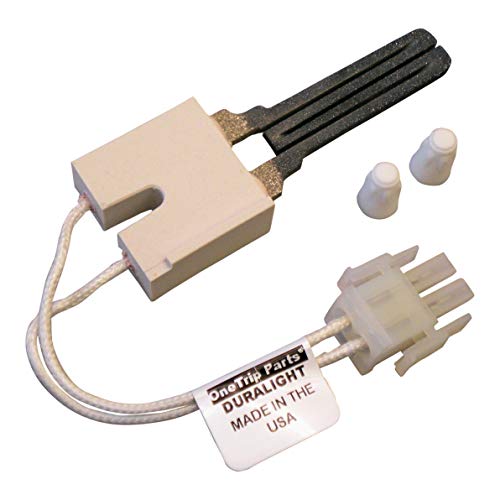
USA Furnace Ignitor Replaces Rheem - Ruud - Weatherking 62-22868-93 | Duralight Direct Replacement For Rheem-Ruud-Weatherking OEM Part Number 62-22868-93
Check price on Amazon
The Homeowner's HVAC Survival Guide: Everything You Need to Know About Heating, Cooling, Troubleshooting, Maintenance & Avoiding Costly Repairs
Check price on Amazon
Simply 16x25x1 Air Filter, MERV 8, 6 Pack, For Home AC Furnace & HVAC (Actual Size: 15.75"x24.75"x0.75") DUST, Pet, & Allergy Control
Check price on Amazon
Reusable Air Filter 20x30, High Air Flow Cut to Fit Furnace Filters, MERV 6 Replacement Filter for HVAC, RV, Washable Replacement Air Conditioner Filters, 24 PCs Hooks(Actual 20x30x0.7 in.)
Check price on Amazon
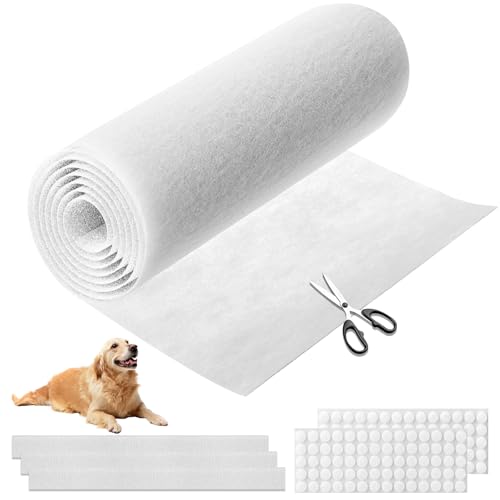
Demiwise MERV 8 Air Vent Filters, 20×120 In Cut to Fit, Makes 80+ Filter | Triple Electrostatic Media, For Floor Ceiling RV HVAC Furnace Vents, No Airflow Restrictive, Includes Adhesive Hook Tape
Check price on Amazon
MAXTBEE MERV 13 Cut to Fit Air Vent Filter Material for HVAC Vents | 23 Sq Ft, Captures Dust, Pet Dander and Pollen to 0.3 Microns, Fits Ceiling, Wall and Floor Registers, Hook Tape Included
Check price on Amazon