HVAC Fan Motor Replacement: What to Expect & How to Decide
A failing fan motor is one of the most common reasons an HVAC system stops moving air. Learn the warning signs, motor types, replacement process, and how to decide whether to repair or replace.
Start With the Warning SignsQuick orientation: This guide is for homeowners and property managers who suspect a fan motor problem and want to understand the replacement path before calling a technician. It covers symptoms, motor categories, the replacement workflow, and decision criteria — not a step-by-step DIY tutorial.
What the HVAC Fan Motor Does
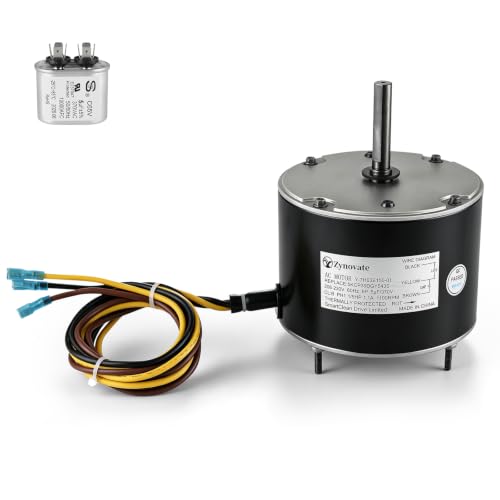
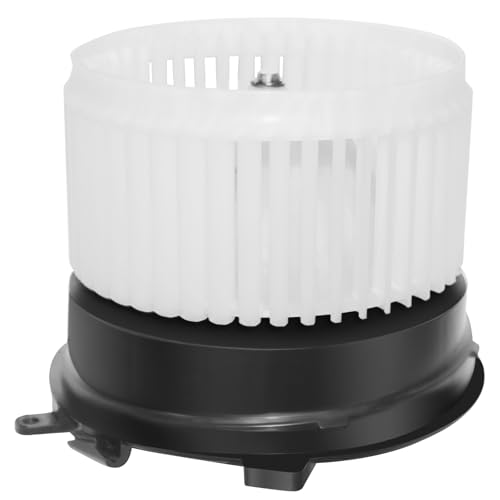
An HVAC system relies on two main fans to move air. The blower motor sits inside the air handler or furnace and pushes conditioned air through the ductwork into your home. The condenser fan motor sits in the outdoor unit and moves air across the condenser coil so heat can be released. Both motors run on electricity and are controlled by the system's control board, relays, or capacitor.
When either motor weakens or fails, the system may run but stop delivering cool or warm air. Because the motor is a wear item, it is one of the more frequently replaced components in an HVAC system. Understanding its role helps you interpret symptoms and have a more productive conversation with your technician.
Signs Your Fan Motor Needs Attention
Fan motors rarely fail without warning. Most give clues over days or weeks. The following symptoms are worth documenting — they help a technician diagnose the issue faster and avoid unnecessary parts replacement.
- Weak airflow from vents. The system runs, but air feels gentle or inconsistent compared with normal operation.
- Grinding, squealing, or rattling noises. Worn bearings or a loose shaft often produce metallic or high-pitched sounds.
- Burning or hot-wire smell. Overheating windings or a failing capacitor can produce a distinct electrical odor.
- Fan does not start. The outdoor fan may stay still while the compressor hums, or the indoor blower may not spin at all.
- Frequent breaker trips. A motor drawing excessive current can trip the circuit breaker repeatedly.
- Motor housing is hot to the touch. Overheating is a late-stage warning that the motor is close to failure.
- Capacitor failures. A bulging or leaking run capacitor often accompanies motor wear and can mimic motor failure.
Motor Types You May Encounter
The replacement motor must match the original in voltage, horsepower, speed, rotation direction, and mounting. There are three main categories in residential HVAC systems:
PSC Motor (Permanent Split Capacitor)
The most common blower and condenser fan motor in older systems. Simple, reliable, and uses a run capacitor. Efficiency is moderate; replacement motors are widely available in the entry-level and mid-range tiers.
ECM Motor (Electronically Commutated Motor)
A variable-speed, high-efficiency motor found in newer air handlers. ECM motors are more precise and quieter but require a matching control module. Replacement parts sit in the mid-tier to premium tiers.
Shaded-Pole Motor
Small, low-torque motors used in some specialty or older equipment. Less common in modern residential HVAC; typically found in entry-level or legacy equipment.
Motor selection is not a "one size fits all" decision. A technician will match the replacement to the equipment's specifications. Using the wrong motor can cause overheating, poor airflow, or premature failure. This is one reason motor replacement is best handled by a qualified HVAC professional rather than a generic parts swap.
The Replacement Process, Step by Step
A typical fan motor replacement follows a predictable workflow. Knowing the steps helps you set expectations and ask the right questions.
- Diagnosis. The technician confirms the motor is the failure point by testing voltage, capacitance, winding resistance, and shaft rotation.
- Power-down and safety check. The system is shut off at the breaker, and the capacitor is discharged before any work begins.
- Access. For a blower motor, the air handler panels are removed. For a condenser fan motor, the outdoor unit's top grille is lifted.
- Removal. Wiring is labeled and disconnected, mounting bolts are removed, and the old motor and fan blade are extracted.
- Matching and installation. The new motor is matched for voltage, horsepower, speed, and rotation. The fan blade is repositioned at the correct depth.
- Reassembly and testing. Wiring is reconnected, panels are secured, power is restored, and the technician verifies airflow, amp draw, and capacitor function.
Most replacements take two to four hours. Condenser fan motors are often quicker to access; blower motors inside air handlers can take longer due to limited space and panel removal. If the technician finds additional issues — such as a failing capacitor, worn bearings, or damaged wiring — the job may extend slightly.
Repair or Replace: How to Decide
The decision is rarely about the motor alone. It depends on the age and condition of the whole system, the frequency of recent repairs, and whether the equipment uses obsolete refrigerant. The table below summarizes the common decision factors.
| Factor | Lean Toward Motor Replacement | Lean Toward System Replacement |
|---|---|---|
| System age | Under 10 years old | Over 15 years old |
| Repair history | First major repair in years | Multiple repairs in the last 2–3 years |
| Refrigerant type | Current refrigerant, readily available | Obsolete refrigerant with rising service difficulty |
| Efficiency | System already meets modern efficiency expectations | System is an older, lower-efficiency design |
| Overall condition | Coils, compressor, and ductwork in good shape | Multiple components nearing end of life |
For a younger, otherwise healthy system, replacing the motor is the sensible path — it restores airflow and extends the system's useful life. For an older system with a pattern of failures, putting resources into a single motor may be a short-term fix. A technician can help you weigh the trade-offs based on the specific equipment.
Motor Tiers and What They Mean
Replacement motors are available across several quality tiers. The tier reflects build quality, efficiency, and expected service life — not a specific currency figure. Use this as a relative guide when discussing options with your technician.
- Entry-level tier: Standard PSC motors with basic bearings and a standard capacitor. Suitable for older systems where a straightforward replacement is the goal.
- Mid-range tier: Improved bearings, better winding insulation, and more consistent performance. A solid choice for most residential replacements.
- Premium tier: ECM or high-efficiency motors with smoother operation and quieter performance. Typically matched to newer, higher-efficiency air handlers.
- Professional-grade / commercial-grade: Heavy-duty motors for larger equipment or continuous-duty applications, with reinforced housings and extended-duty bearings.
A mid-range motor usually offers a good balance of durability and compatibility for typical residential systems. Premium-tier motors make more sense when the existing equipment is designed for variable-speed operation. The right tier depends on the equipment, not on a preference for "the best" in isolation.
Reducing the Chance of Premature Motor Failure
Fan motors are wear items, but several maintenance habits can extend their service life:
- Replace air filters on schedule. Restricted airflow makes the blower motor work harder and run hotter.
- Keep the outdoor unit clear. Debris around the condenser restricts airflow and increases condenser fan motor load.
- Schedule seasonal tune-ups. A technician can check capacitor health, amp draw, and bearing condition before failure occurs. See our guide to HVAC tune-up expectations for what a routine visit covers.
- Address strange noises early. Squealing or grinding usually points to bearings; catching it early can prevent a full motor failure.
- Verify capacitor condition. A weak capacitor stresses the motor on every start cycle.
If your system has already experienced a motor failure or you are comparing repair options more broadly, our overview of common HVAC repair categories can help you put the motor replacement in context with other potential repairs.
Related Considerations
A fan motor replacement is sometimes the moment homeowners start thinking about the bigger picture. If the system is older, or if you have been considering a ductless upgrade, it helps to understand how the alternatives compare. For homes without ductwork, a ductless mini-split can be a long-term alternative to repairing an aging central system. If you are weighing a larger change, our guide to installing an HVAC system with ductwork explains what a full replacement involves.
In some cases, repeated motor failures point to an underlying airflow problem — undersized ducts, a restrictive filter setup, or a failing blower wheel. A technician should investigate the root cause rather than simply swapping the motor again. Understanding how dampers regulate airflow can also help you have a more informed conversation about whether the duct system is part of the problem.
Frequently Asked Questions
How do I know if my HVAC fan motor is failing?
Common signs include weak airflow, grinding or squealing noises, burning smells, frequent breaker trips, and the fan failing to start. If the motor housing is hot to the touch or the shaft is hard to turn by hand, failure is likely. A technician can confirm with voltage and capacitor tests.
Should I replace just the fan motor or the whole HVAC system?
If your system is younger than 10 years and otherwise healthy, replacing the motor is usually the sensible choice. If the system is older than 15 years, has a history of failures, or uses obsolete refrigerant, a full system replacement may be more worthwhile in the long run.
How long does an HVAC fan motor replacement take?
Most replacements take two to four hours for a qualified technician. Condenser fan motors are often quicker to access, while blower motors inside air handlers can take longer due to limited space and panel removal.
Can I replace an HVAC fan motor myself?
It is possible for experienced DIYers, but the job involves high-voltage wiring, capacitor discharge, and precise motor matching. A licensed HVAC technician is recommended for safety, code compliance, and warranty protection. An incorrect motor match can cause overheating or premature failure.
Will a new fan motor improve efficiency?
Replacing a failing motor restores normal airflow and reduces the strain on the rest of the system. If you upgrade from a standard PSC motor to an ECM motor, you may see improved efficiency — but only if the equipment is designed to support variable-speed operation. The motor alone is not a system-wide efficiency upgrade.