
Cost to Replace an Outside AC Unit: What Homeowners Should Know
Everything you need to understand before replacing an outdoor air conditioning condenser — from system sizing and efficiency tiers to installation requirements and long-term value.
Explore Replacement OptionsWhy this guide matters: Replacing an outside AC unit is one of the most impactful decisions for home comfort and energy use. This guide walks you through the real factors that determine your replacement project, so you can choose the right condenser tier with confidence — before you buy.
Understanding the Outside AC Unit
The outdoor condenser is the heart of your cooling system. It houses the compressor, condenser coil, and fan, and works together with the indoor air handler or furnace to move heat out of your home. When this unit fails or becomes inefficient, the entire system suffers.
Many homeowners discover that their outdoor unit is no longer keeping up during peak summer months, runs constantly, or has developed a refrigerant leak. At that point, the decision is between a targeted repair and a full replacement of the outdoor unit.
When Replacing the Outside Unit Makes Sense
Replacement is usually the smarter path when repairs become frequent or when efficiency losses outweigh the value of patching old equipment. Consider replacement when you notice the following:
- Age beyond 12–15 years: Older units use outdated refrigerants and less efficient compressors. Modern high-end tier and flagship tier condensers deliver significantly better seasonal performance.
- Rising energy consumption: A steadily climbing utility bill with unchanged usage often signals a failing compressor or dirty condenser coil.
- Frequent repairs: If you have paid for compressor, fan motor, or capacitor repairs multiple times in a few seasons, a replacement condenser is the stronger long-term investment.
- Refrigerant incompatibility: Units using phased-out refrigerants are increasingly hard to service. A new outdoor unit future-proofs your system.
- Uneven cooling: When the outdoor unit can no longer manage the heat load, rooms stay warm even while the system runs continuously.
What Determines the Replacement Scope
The full replacement scope depends on several interconnected factors. Understanding these helps you plan a realistic project and avoid surprises during installation.
1. System Capacity and Sizing
Your new outdoor condenser must match the cooling load of your home. Undersized units run constantly and wear out faster; oversized units short-cycle and fail to remove humidity properly. A proper load calculation ensures the replacement condenser is correctly matched to your square footage and insulation level.
If your home has changed since the original system was installed — new windows, added insulation, or a room addition — a fresh sizing evaluation is essential. Explore our AC sizing guide to understand the calculation process.
2. Efficiency Tier
Modern outdoor units are available in several efficiency tiers. Choosing the right tier depends on your climate, usage, and long-term plans for the home.
| Tier | Best For | Efficiency Characteristics |
|---|---|---|
| Entry-Level | Mild climates, limited seasonal use, simple replacements | Standard single-stage compressor, basic SEER2 performance |
| Mid-Range | Most households in moderate-to-warm climates | Two-stage or variable-speed compressor options, solid efficiency gains |
| Premium | Hot climates, high usage homes, long-term ownership | High SEER2 ratings, quieter operation, advanced humidity control |
| Flagship | Whole-home comfort, smart-home integration, maximum efficiency | Top-tier variable-speed inverter compressors, premium materials, smart diagnostics |
Higher tiers generally deliver smoother operation, lower noise, and stronger seasonal efficiency. The SEER rating guide explains how these efficiency metrics work in practice.
3. Refrigerant Type
New outdoor condensers use modern refrigerants such as R32 and R454B. If your existing indoor coil was designed for R410A or an older refrigerant, it may need to be replaced as well to maintain compatibility and warranty coverage. This is one reason whole-system replacement is often the cleaner approach.
4. Electrical and Placement Requirements
The outdoor unit requires a dedicated electrical circuit, proper disconnect, and adequate clearance for airflow. If your current setup has an aging disconnect box or an undersized breaker, the installation may require electrical upgrades. Placement matters too — the condenser needs unobstructed airflow and a level pad.
Our AC placement guide covers the clearance and siting rules that protect performance.
5. Indoor Coil and Line Set Compatibility
The outdoor condenser and indoor coil must be a matched pair. Mismatched components reduce efficiency and can void manufacturer warranties. In many replacement projects, the indoor coil is upgraded alongside the outdoor unit so the system operates as designed.
If your ductwork is older or leaking, sealing it during the replacement is a worthwhile step. Learn more in our duct sealing guide.
Repair vs. Replacement: How to Decide
The decision often comes down to the age of the outdoor unit and the nature of the repair. A simple capacitor or contactor replacement on a relatively young unit is a sound investment. A compressor failure on a 15-year-old condenser is usually a signal to replace.
Use this practical rule: if the repair is a significant portion of a replacement and the unit is past the midpoint of its expected lifespan, replacement is the stronger long-term move. For a detailed repair cost perspective, see our compressor replacement guide.
Pre-Replacement Checklist
- Confirm the age and warranty status of your current outdoor unit
- Request a room-by-room load calculation, not a guess based on square footage
- Decide on an efficiency tier that matches your climate and usage
- Confirm indoor coil and line set compatibility
- Check electrical panel capacity and disconnect condition
- Plan for proper condenser pad and clearance
- Ask about permit requirements for replacement installations
- Collect multiple installer quotes with itemized scope
Common Replacement Mistakes to Avoid
- Replacing only the outdoor unit without matching the indoor coil: This is the most frequent cause of reduced efficiency and warranty problems.
- Skipping the load calculation: Installing a condenser that is too large or too small undermines comfort and durability.
- Choosing the lowest tier for a hot climate: Entry-level units may struggle under high heat loads, forcing the compressor to work harder.
- Ignoring duct condition: A high-efficiency condenser connected to leaky ducts cannot deliver its rated performance.
- Hiring an unlicensed installer: Proper refrigerant handling and commissioning are essential for safety and warranty protection.
Our guide on common AC installation mistakes explains each of these pitfalls in more detail.
Maintenance After Replacement
A new outdoor unit performs best when it is maintained consistently. Plan on seasonal filter changes, annual coil cleaning, and a professional inspection to verify refrigerant charge and electrical connections. Keeping the condenser clear of debris and vegetation extends its service life and protects efficiency.
Our seasonal AC checklist gives you a repeatable maintenance routine for every year of ownership.
Frequently Asked Questions
How long does an outside AC unit last before replacement?
A well-maintained outdoor condenser typically lasts 12 to 18 years. Climate, usage patterns, and routine maintenance strongly influence how long the unit performs reliably before replacement becomes the better option.
Should I replace the whole outdoor unit or just the condenser?
In most cases, replacing the entire outdoor condenser unit is recommended rather than swapping only internal parts. A complete outdoor unit replacement restores full efficiency and ensures compatibility with the indoor coil and refrigerant type.
What efficiency rating should I choose for a new outside AC unit?
Mid-tier to high-end tier units with higher SEER2 ratings are generally the best long-term investment. Entry-level units suit mild climates and limited usage, while premium and flagship tier condensers deliver the strongest efficiency gains for hot climates.
Does replacing only the outside unit require a new indoor coil?
Modern outdoor condensers use refrigerants such as R32 or R454B, which are often incompatible with older indoor coils. A matched indoor coil is usually required to maintain efficiency, warranty coverage, and safe operation.
Can I replace the outside unit myself?
Outdoor condenser replacement involves refrigerant handling, electrical connections, and system commissioning. These tasks require licensed professionals and specialized equipment. DIY replacement is not recommended and may violate regulations.
Planning Your Replacement Project
Start by documenting your current system: model number, age, refrigerant type, and indoor coil details. Then request a load calculation and matched equipment proposal from a licensed contractor. Compare at least two or three quotes with itemized scope so you can see exactly what is included — equipment tier, line set, coil, electrical work, permit, and commissioning.
For related replacement and system upgrade guidance, explore our pages on outside AC unit replacement, HVAC system replacement, and high-efficiency air conditioner options.
Recommended Outside AC Units & Replacement Condensers
Explore matched outdoor condensers organized by efficiency tier — entry-level, mid-range, premium, and flagship options.
⚠️ AFFILIATE DISCLOSURE: This website contains affiliate links. As an Amazon Associate, we earn from qualifying purchases. If you make a purchase through these links, we may receive a small commission at no additional cost to you. Read our full affiliate policy.

Central Air Conditioner Covers for Outside Units 36'' x 36'', AC Mesh Covers for Outside Unit, AC Unit Cover Outdoor Air Conditioner Condenser Hvac Heat Pump Cover Breathable Top Universal Defender
Check price on Amazon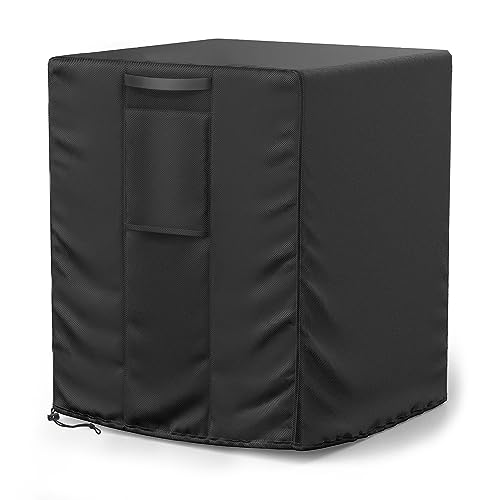
Mrrihand Central Air Conditioner Cover for Outside Units Waterproof Heavy Duty AC Unit for Outdoor Large AC Cover for Winter (30"X30"X32")-Balck
Check price on Amazon
Kipiea Air Conditioning Cover for Outside Units – Heavy Duty 600D Waterproof AC Outdoor Unit Top Protector (26" x 26")
Check price on Amazon
Mrrihand Central Air Conditioner Cover for Outside Units Waterproof Heavy Duty AC Unit for Outdoor Large AC Cover for Winter (24"X24"X30")
Check price on Amazon
FR-4(KB-6160) CTI 〉=600V A010417 Outdoor Unit Control Board for TCL Air Conditioner Circuit PCB Conditioning Parts, Part
Check price on Amazon
Mrrihand Central Air Conditioner Cover for Outside Units Waterproof Heavy Duty AC Unit for Outdoor Large AC Cover for Winter (32"X32"X36")-Balck
Check price on Amazon
36 x 36 in Winter Air Conditioner Cover for Outside Units | Waterproof Central AC Protector, for Outdoor Condensers and Heat Pumps, Helps Block Snow, Leaves and Winter Debris
Check price on Amazon