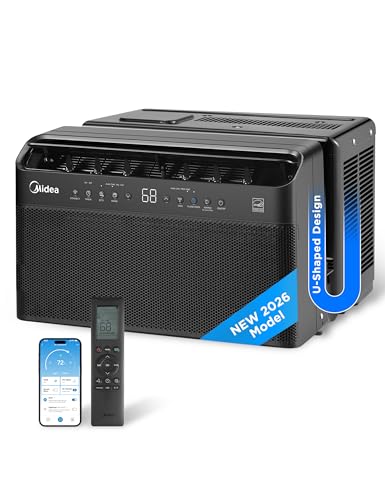
Direct Current Air Conditioner: The Complete Guide to DC Cooling Technology
Discover how direct current air conditioners work, why DC inverter technology improves efficiency, and whether a DC-powered AC unit is the right choice for your home or solar setup.
Explore the TechnologyAir conditioning technology has evolved significantly over the past two decades, and one of the most impactful developments is the rise of direct current air conditioners. Unlike traditional fixed-speed units that rely on alternating current motors switching on and off, DC air conditioners use direct current motors and inverter-driven compressors to deliver smoother, more precise cooling. This guide explains the technology in plain language, compares it with conventional systems, and helps you decide whether a DC unit fits your home, office, or off-grid project.
What Is a Direct Current Air Conditioner?
A direct current air conditioner is a cooling system designed to operate with DC-powered components—most commonly the compressor and the indoor and outdoor fan motors. In many residential and commercial products, the unit still connects to a standard AC wall outlet, but an internal inverter converts the incoming alternating current into direct current before driving the compressor. This is why the term "DC inverter air conditioner" is often used interchangeably with "direct current air conditioner."
The key distinction is not only the power source but the motor technology. Traditional non-inverter ACs use induction motors that run at a fixed speed. When the room reaches the set temperature, the compressor stops entirely; when the room warms up, it restarts at full power. A DC air conditioner, by contrast, uses brushless DC motors and an inverter to vary compressor speed continuously. It can run slowly to hold a stable temperature or ramp up when extra cooling is needed.
Some specialized DC air conditioners are designed to run directly from DC power sources such as solar panels or battery banks, without any AC conversion at all. These are popular in off-grid cabins, RVs, and regions with unreliable electricity. For a broader overview of cooling system categories, see our guide to different types of air conditioning for homes.
How DC Air Conditioners Work
Understanding the internal flow of a DC air conditioner helps explain why it performs differently from a conventional unit. The process can be broken down into a few clear stages.
- Power conversion or direct DC input. In a grid-connected DC inverter AC, incoming AC power is rectified to DC and then modulated by the inverter board. In a solar-direct model, DC power from panels or batteries feeds the unit directly.
- Variable-speed compressor control. The inverter adjusts the frequency and voltage delivered to the compressor motor, allowing it to spin at different speeds rather than only full speed or off.
- Brushless DC fan motors. Indoor and outdoor fans use electronically commutated motors that consume less energy and run more quietly than traditional AC fan motors.
- Continuous refrigerant modulation. Because the compressor speed changes gradually, refrigerant flow and pressure are matched to the actual cooling load, keeping room temperature stable.
- Smart sensor feedback. Temperature sensors and control boards continuously monitor room conditions and adjust compressor and fan output in real time.
This continuous modulation is the heart of the efficiency advantage. Instead of repeated startup surges, the system settles into a low, steady draw once the target temperature is reached. The same inverter principle appears in many modern cooling products; you can explore related designs in our article on inverter vs non-inverter air conditioners.
DC vs AC Air Conditioners Compared
The table below summarizes the practical differences between a direct current air conditioner and a conventional fixed-speed AC unit. Keep in mind that product designs vary, so always check the specifications of the specific model you are considering.
| Feature | Direct Current (DC Inverter) AC | Conventional Fixed-Speed AC |
|---|---|---|
| Compressor control | Variable speed via inverter | On/off at fixed speed |
| Temperature stability | High — small fluctuations | Moderate — noticeable swings |
| Part-load efficiency | Excellent — matches demand | Lower — cycling losses |
| Startup current | Soft start, lower surge | High inrush current |
| Noise level | Generally quieter | Louder during cycling |
| Electronics complexity | Higher — inverter board | Lower — simpler controls |
| Solar compatibility | Excellent with DC-direct models | Requires AC-coupled inverter |
| Best for | Long run times, solar, precise comfort | Short intermittent use, simple setups |
For homes without existing ductwork, a ductless configuration is often paired with DC inverter technology. Our guide on ductless mini-split systems explains how these two approaches combine.
Key Benefits of DC Cooling
Advantages
- Steadier room temperature with fewer hot and cold swings
- Better part-load efficiency during long cooling sessions
- Lower startup current, which is friendlier to solar and battery systems
- Quieter operation thanks to brushless DC fan motors
- Strong fit for off-grid, RV, and solar-direct installations
- Often includes advanced smart controls and eco modes
Considerations
- More complex electronics may require specialized service
- Initial outlay is generally higher than entry-level fixed-speed units
- Repair of inverter boards can be involved if a fault occurs
- Efficiency gains depend on correct sizing and installation
- Solar-direct models need careful system design
The efficiency story is the main reason buyers seek out DC air conditioners. Because the compressor rarely runs at full blast for long periods, the system spends most of its time in a low-power band that matches the actual heat load. In a well-insulated room, this can translate into noticeably lower energy use over a cooling season compared with a fixed-speed unit of similar capacity. If long-term operating efficiency is your priority, the principles in our article on investment AC for long-term use are directly relevant.
For solar households, the benefit is even more pronounced. A DC-direct air conditioner can run during peak sun hours without converting solar DC into household AC and back again, avoiding conversion losses. This makes DC cooling a natural companion to a solar array and battery bank, and it pairs well with ductless heating and air conditioning systems that are designed for efficient year-round operation.
DC Air Conditioners and Solar Power
Solar panels produce direct current, which means a DC air conditioner can, in principle, run directly from the panels without an AC conversion step. In practice, most solar-direct cooling setups include a charge controller and a battery bank to buffer the intermittent nature of solar generation. During sunny hours, the panels power the AC and charge the batteries; during cloudy periods or at night, the batteries take over.
This architecture is especially valuable in remote locations, cabins, and regions where grid power is unreliable. It also appeals to homeowners who want to reduce their dependence on utility electricity during peak cooling hours. Because DC inverter compressors have soft-start characteristics, they place a gentler load on batteries and inverters than fixed-speed compressors do.
If you are exploring efficient split systems that work well with modern energy plans, our overview of the most efficient air conditioner split system options can help you compare configurations.
DC AC Market Tiers
Direct current air conditioners span a wide range of designs and build quality. To keep comparisons meaningful without referencing numeric figures, the market can be grouped into three broad tiers.
Entry-Level Tier
Basic DC inverter models aimed at straightforward residential cooling. These units typically offer essential inverter control, standard filtration, and simple remote operation. They are a solid choice for buyers who want inverter efficiency in a compact, no-frills package.
Mid-Range Tier
Balanced tier models add improved fan motors, better filtration, Wi-Fi or smart controls, and more refined inverter algorithms. They offer competitive efficiency within their class and are well-specified for the category, making them a popular choice for whole-room comfort.
High-End Tier
Premium and top-tier units focus on quiet operation, advanced sensors, multi-zone capability, and solar-ready or battery-friendly designs. These are professional-grade options for buyers who prioritize comfort, durability, and long-term efficiency.
When comparing tiers, look beyond headline efficiency numbers. A mid-range DC inverter unit that is correctly sized for your room will usually outperform a high-end unit that is oversized or poorly installed. Our guide on how to evaluate an air conditioning unit walks through the practical decision factors.
How to Choose a DC Air Conditioner
Choosing the right direct current air conditioner comes down to matching the unit's capacity and features to your space, your power source, and your long-term plans. The following checklist helps structure the decision.
- Calculate the cooling load. Estimate the required capacity from room size, ceiling height, insulation, window area, and occupancy. Oversizing undermines the efficiency advantage of an inverter compressor.
- Decide on the power architecture. Choose between a grid-connected DC inverter model and a solar-direct or battery-capable unit. Your choice depends on whether you have reliable grid power and whether you plan a solar array.
- Select the form factor. DC inverter technology is available in window, portable, through-the-wall, and mini-split formats. For homes without ducts, a mini-split AC system is often the most efficient option.
- Check efficiency ratings. Look for recognized efficiency certifications and understand how the rating was measured. See our explainer on what a SEER rating means for context.
- Review smart and comfort features. Consider Wi-Fi control, programmable schedules, sleep modes, and air filtration if these matter to your household.
- Plan for installation and service. Confirm that local technicians support inverter diagnostics, and plan a maintenance schedule from day one.
Renters and homeowners in older buildings often face installation constraints. If you cannot modify windows or walls, see our guidance on cooling options when there is no window and on portable air conditioners as alternatives.
Maintenance Essentials for DC Air Conditioners
DC air conditioners reward consistent maintenance with stable efficiency and a longer service life. Because the inverter board and brushless DC motors are more electronically sophisticated than conventional components, some tasks are best left to a qualified technician.
Routine tasks you can handle
Clean or replace the air filter every few weeks during heavy cooling season. Keep the outdoor unit clear of leaves and debris. Gently clean accessible coils according to the manufacturer's instructions, and check that the condensate drain is flowing freely. For step-by-step guidance, see our article on cleaning an AC filter.
Tasks for a qualified technician
Refrigerant checks, inverter board diagnostics, electrical connection inspection, and motor testing should be performed by a professional. Schedule a seasonal service visit to verify refrigerant charge, inspect capacitors, and confirm that the inverter is modulating correctly. If you notice unusual noises, error codes, or a sudden drop in cooling performance, arrange service promptly. Our guide on when to call an HVAC technician explains the warning signs.
Frequently Asked Questions
What is a direct current air conditioner?
A direct current air conditioner is a cooling system whose compressor and fan motors can run on DC power, often through an inverter that converts AC supply into DC. This design allows the compressor to vary its speed smoothly, which improves efficiency and temperature control compared with fixed-speed units.
Is a DC air conditioner more efficient than a standard AC?
In most residential and light commercial applications, DC inverter air conditioners are more efficient at part-load conditions because the compressor speed modulates to match the cooling demand instead of switching on and off repeatedly. This leads to steadier temperatures and lower energy use over long operating periods.
Can a direct current air conditioner run on solar power?
Yes. DC air conditioners are particularly well suited to solar power systems because solar panels generate DC electricity. With an appropriate charge controller and battery bank, a DC AC unit can operate directly from solar energy, reducing dependence on grid power.
Does a DC inverter AC need special maintenance?
Maintenance is similar to conventional units: clean or replace filters, keep coils clean, check refrigerant levels, and inspect electrical connections. Because inverter boards and DC motors are more electronically complex, diagnostics may require a technician familiar with inverter-driven systems.
Ready to Compare DC Air Conditioner Options?
Review our curated selection of direct current and inverter air conditioners to find a model that matches your space and power setup.
View Recommended Models