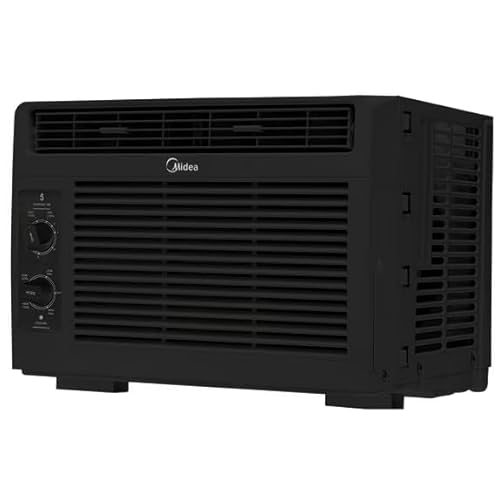
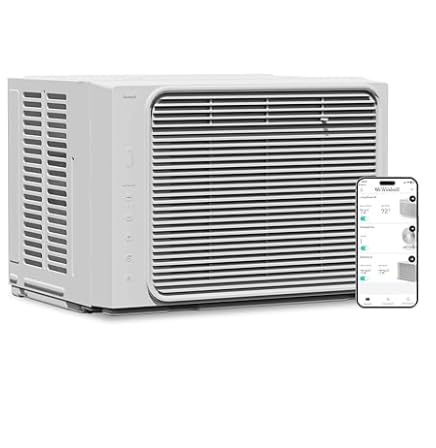
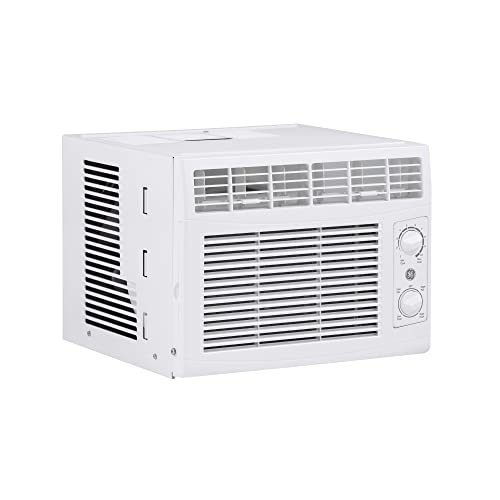
Energy Efficient 5000 BTU Air Conditioner
A practical guide to understanding small-capacity cooling, efficiency ratings, and how to choose a 5000 BTU unit that keeps your room comfortable without wasting energy.
Who this guide is for: If you are researching a 5000 BTU air conditioner for a bedroom, home office, dorm room, or studio, this page walks you through capacity matching, efficiency metrics, compressor technology, and the trade-offs between entry-level and premium tiers. The goal is to help you make an informed choice before you explore specific product options.
What a 5000 BTU Air Conditioner Is Designed For
BTU stands for British Thermal Unit and measures cooling capacity. A 5000 BTU air conditioner is the smallest common window-unit capacity sold in the United States, and it is purpose-built for compact spaces. As a rule of thumb, 5000 BTU suits rooms up to roughly 150 square feet, such as a small bedroom, a dedicated home office, a dorm room, or a studio apartment corner.
Oversizing is one of the most common mistakes in small-space cooling. A unit that is too large for the room will cool the air quickly but cycle on and off frequently, which reduces dehumidification and adds wear to the compressor. Matching capacity to the room is the first step toward efficiency. If you want to confirm sizing with a more detailed method, see our guide on how to size an air conditioner.
Why Efficiency Matters More in Small Units
Small-capacity units run for long stretches during the hottest months, so efficiency compounds over a full cooling season. A unit with a higher SEER2 rating converts more electricity into cooling and less into waste heat. For a 5000 BTU unit, even a modest efficiency improvement translates into noticeable energy reduction because the unit is the primary cooling source for the room.
Two metrics matter most for window units: SEER2, which measures seasonal efficiency, and CEER, which is a room-air-conditioner-specific efficiency ratio. ENERGY STAR certification sets a baseline above the federal minimum. Our overview of ENERGY STAR air conditioners explains how certification thresholds work, and our explainer on what a SEER rating is covers the testing framework in plain language.
Key Specifications at a Glance
Cooling Capacity
5,000 BTU, suited to rooms up to about 150 sq ft
Typical Power Draw
Roughly 450–550 watts during steady operation
Electrical Requirement
Standard 115V outlet, usually a 15-amp circuit
Efficiency Focus
SEER2 and CEER ratings; ENERGY STAR as a benchmark
Efficiency Features That Make a Real Difference
Not every efficiency claim carries equal weight. When comparing a 5000 BTU unit, focus on the features below because they directly affect how much energy the unit consumes for the cooling it delivers.
Inverter vs. Single-Stage Compressors
A single-stage compressor runs at full power or not at all. An inverter compressor modulates speed continuously, which lets the unit match cooling output to the actual load. In a small room, an inverter unit often holds a steadier temperature and draws less average power during mild weather. Our comparison of inverter versus non-inverter AC covers the trade-offs in more detail.
ENERGY STAR and SEER2 Thresholds
ENERGY STAR certification for room air conditioners requires efficiency above the federal minimum, and the gap has widened under updated standards. A 5000 BTU unit that clears the ENERGY STAR threshold is a reliable indicator of efficient design. Pair that with a strong SEER2 figure and you have a unit that performs well across the season, not just at peak load.
Thermostat and Timer Controls
Programmable timers, sleep modes, and precise thermostat control reduce runtime when the room is empty or when occupants are asleep. These features are often overlooked, but they are among the most practical efficiency tools in a small unit. For broader strategies, see our energy saving tips for AC.
Comparing Product Tiers Without Focusing on Price
Efficiency-focused buyers often find three broad tiers in the 5000 BTU category. The tiers below describe market position and feature depth, not monetary figures.
Essential Tier
- Meets baseline efficiency standards
- Mechanical controls or simple digital thermostat
- Single-speed compressor
- Solid choice for occasional use in mild climates
Balanced Tier
- ENERGY STAR certified with stronger SEER2
- Programmable timer and sleep mode
- Better insulation and quieter operation
- Well-specified for daily seasonal use
Top-Tier
- Inverter-driven compressor for variable output
- Highest efficiency within the 5000 BTU class
- Smart controls and app integration
- Long-term investment for heavy daily cooling
A mid-range unit usually offers the best balance of efficiency and feature depth for most households. Premium inverter models make more sense when the unit runs many hours per day through a long cooling season. Entry-level units remain a reasonable fit for guest rooms and short seasonal use.
Installation and Placement for Maximum Efficiency
Installation quality affects efficiency as much as the unit's rating. A window unit that does not seal properly leaks cool air and pulls in hot outdoor air, forcing the compressor to work harder. Follow these practical steps:
- Seal the window frame with the included insulation panels and add weather stripping around gaps.
- Shade the outdoor side of the unit if possible; direct sun on the condenser raises head pressure and reduces efficiency.
- Keep the filter clean; a clogged filter restricts airflow and lowers cooling output while raising power draw.
- Avoid heat-producing appliances near the indoor air intake, such as lamps or electronics.
- Check the circuit to confirm the outlet can handle the unit's rated amperage without sharing with other high-draw devices.
If you are weighing a window unit against other form factors, our guide on energy efficient small window air conditioners and our overview of energy efficient air conditioners for small rooms expand on these comparisons.
Maintenance Habits That Protect Efficiency
A 5000 BTU unit is simple to maintain, and small habits preserve efficiency over years of service. Clean or replace the air filter every two to four weeks during heavy use. Inspect the outdoor coils each season and rinse away dust and debris. Check the window seal at the start of summer. If the unit develops rattles or reduced airflow, address the issue early rather than running it in a degraded state. Our AC maintenance guide covers a full seasonal checklist.
Common Mistakes to Avoid
- Buying by room size alone. Sun exposure, ceiling height, and occupant count all shift the effective load.
- Ignoring the efficiency rating. A lower-efficiency unit can consume noticeably more electricity over a full season.
- Skipping the seal. Poor installation undermines even a top-tier unit's efficiency.
- Running the unit with a dirty filter. This is the single most common cause of avoidable efficiency loss.
- Setting the thermostat very low. A moderate setpoint with consistent runtime is more efficient than aggressive cooling bursts.
Frequently Asked Questions
What size room does a 5000 BTU air conditioner cool?
A 5000 BTU air conditioner is designed for rooms up to approximately 150 square feet, such as a bedroom, home office, small studio, or dorm room. Factors like ceiling height, sun exposure, and occupant count can affect this baseline.
Is a 5000 BTU air conditioner energy efficient?
Yes. Modern 5000 BTU units with a SEER2 rating of 15 or higher and ENERGY STAR certification deliver strong efficiency for their capacity. Inverter-driven models further optimize compressor speed to reduce energy waste during partial-load conditions.
Can a 5000 BTU AC cool a room with a window that faces the sun?
A sun-exposed room may need a slightly higher capacity or additional shading. If the room faces west or has large unshaded windows, consider a 6000 BTU unit or improve window shading before upsizing the AC.
How many watts does a 5000 BTU air conditioner use?
A typical 5000 BTU window air conditioner draws between 450 and 550 watts during normal operation. Inverter models can modulate lower during steady-state cooling, which reduces average power draw.
Does a 5000 BTU air conditioner need a dedicated circuit?
Most 5000 BTU window units run on a standard 115V household outlet with a 15-amp circuit. However, checking the nameplate amperage and ensuring the circuit is not shared with other high-draw appliances is recommended.
Ready to Explore Efficient 5000 BTU Options?
Review the recommended units below and compare efficiency features side by side before making your choice.
Explore Options