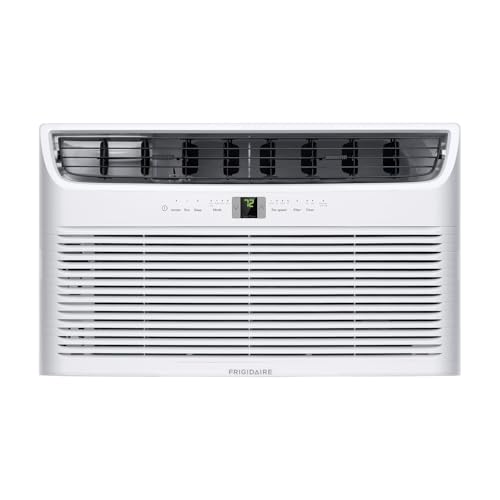
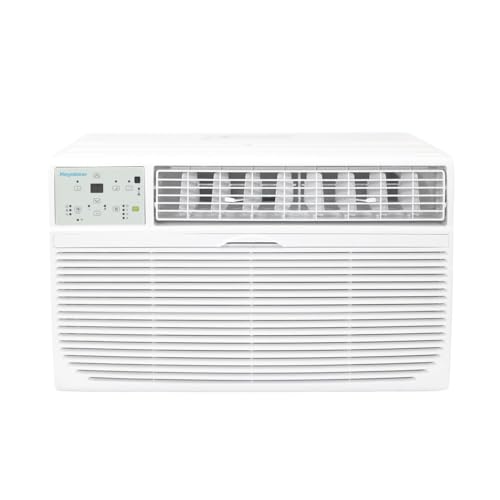
Energy Efficient Wall Mounted Air Conditioner: The Complete Buyer's Guide
Wall mounted air conditioners deliver targeted cooling without ductwork, and modern energy efficient models can dramatically reduce electricity use while keeping rooms comfortable. This guide explains how they work, what efficiency ratings really mean, how to size one correctly, and which features matter most before you decide.
Why this guide matters: If you are researching a wall mounted air conditioner, you have likely already decided that a ductless system fits your space. The real challenge is separating genuinely efficient models from ones that only look efficient on paper. Efficiency is not a single number — it is a combination of compressor technology, refrigerant type, insulation quality, and correct sizing.
This guide is written for buyers who are close to a decision. You will find clear explanations of efficiency metrics, a sizing framework, feature comparisons, and practical installation considerations so you can evaluate options with confidence and choose the unit that best matches your room and usage patterns.
What Is a Wall Mounted Air Conditioner?
A wall mounted air conditioner is the indoor component of a ductless mini-split system. It is installed high on a wall, typically 6 to 8 feet above the floor, and blows conditioned air directly into the room. The outdoor unit — the condenser — connects to the indoor head through a small conduit that carries refrigerant lines, power, and condensate drainage.
Unlike central systems, wall mounted units do not rely on ductwork. That is a significant efficiency advantage: duct losses in traditional forced-air systems can waste a meaningful share of cooled air before it ever reaches a room. A ductless wall unit delivers cooling directly where it is needed, which is why these systems are often chosen for additions, bedrooms, home offices, and homes without existing ducts. If you want to understand the broader ductless category, our ductless mini-split AC guide covers the fundamentals.
The term “energy efficient” in this category refers to models that combine a high seasonal efficiency rating with an inverter-driven compressor, which modulates speed instead of switching fully on and off. That modulation is the single biggest factor in real-world electricity consumption for wall mounted units.
How Energy Efficient Wall Mounted Units Work
Understanding the mechanics helps you evaluate marketing claims. Here is what happens inside an efficient wall mounted system:
- Refrigerant cycle: The compressor circulates refrigerant between the indoor evaporator coil and the outdoor condenser coil. Heat is absorbed indoors and released outdoors.
- Inverter modulation: Instead of running at full power and stopping, an inverter compressor varies its speed to match the cooling load. This avoids the energy spikes and temperature swings of fixed-speed units.
- Variable fan speeds: Efficient indoor fans adjust airflow gradually, which improves humidity control and reduces perceived noise.
- Smart sensors: Many modern units use occupancy or temperature sensors to fine-tune output, further trimming wasted energy.
If you want a deeper technical walkthrough of inverter operation, our inverter vs non-inverter comparison explains the differences in plain language.
Key Benefits of Wall Mounted Cooling
No Duct Losses
Cooling is delivered directly into the room, avoiding the energy losses common in long duct runs.
Zone-Specific Control
Each indoor head operates independently, so you cool only the rooms that are in use.
High Seasonal Efficiency
Modern inverter models achieve high SEER2 ratings, translating to lower electricity use over a cooling season.
Quiet Operation
Because the compressor sits outdoors, the indoor unit is noticeably quieter than window or portable units.
Minimal Structural Impact
Installation requires only a small hole for the line set, preserving walls and window openings.
Heating Capability
Many wall mounted systems also provide efficient heat pump heating, extending usefulness across seasons.
Understanding Efficiency Ratings
Efficiency labels can be confusing. The table below clarifies the metrics you will encounter when comparing wall mounted units.
| Metric | What It Measures | Why It Matters |
|---|---|---|
| SEER2 | Seasonal cooling efficiency across varying outdoor temperatures. | Higher values indicate better seasonal performance; the current DOE standard uses SEER2. |
| EER2 | Efficiency at a single high-temperature test point. | Useful for hot-climate buyers who run the unit at peak load often. |
| HSPF2 | Heating seasonal efficiency for heat pump models. | Relevant if you plan to use the unit for winter heating as well. |
| ENERGY STAR | Certification threshold above minimum federal standards. | A quick filter for models that meet a recognized efficiency benchmark. |
For a deeper explanation of seasonal ratings, see our guide to high SEER air conditioners. Keep in mind that a higher rating only delivers its full benefit when the unit is correctly sized and professionally installed.
How to Size a Wall Mounted Unit
Sizing is the most common mistake in ductless purchases. An undersized unit runs continuously and struggles on hot days; an oversized unit cools too quickly, cycles frequently, and dehumidifies poorly. Both outcomes waste energy.
A simplified starting point is 20 BTU per square foot of conditioned floor area, adjusted for ceiling height, sun exposure, window area, and occupancy. For example, a 300-square-foot bedroom with average insulation and one shaded window generally falls in the 6,000–8,000 BTU range. However, a room with large west-facing glass or poor insulation may need more capacity.
For a more structured approach, use our air conditioner sizing guide and the BTU calculator by room size. For whole-home planning, a professional Manual J load calculation remains the most accurate method.
Features That Improve Real-World Efficiency
Beyond the rating label, specific features determine how efficiently a wall mounted unit performs in daily use:
- Inverter compressor: Modulates speed to match load, avoiding on/off cycling losses.
- Variable-speed indoor fan: Maintains steadier airflow and better humidity control.
- Programmable or smart thermostat: Scheduling reduces runtime during unoccupied hours.
- Sleep mode: Gradually adjusts temperature overnight for comfort and energy savings.
- Air filter quality: Clean, well-fitted filters preserve airflow and coil efficiency.
- Refrigerant type: Newer refrigerants like R32 offer lower global warming potential and efficient heat transfer.
- Auto restart and fault diagnostics: Reduce downtime and help technicians service the unit quickly.
Market Tiers Explained
Wall mounted units are commonly grouped into three broad market tiers. Understanding these tiers helps you set realistic expectations about build quality and features.
Essential Tier
Basic inverter operation, standard efficiency ratings, and straightforward controls. A solid choice for secondary rooms with moderate cooling needs.
Balanced Tier
Higher SEER2 ratings, quieter fans, improved filters, and often Wi-Fi control. A good fit for primary living spaces used daily.
High-End Tier
Top-tier efficiency, advanced sensors, premium materials, and refined airflow design. Suited to homes where long-term performance and quiet operation are priorities.
Mid-range models typically offer a smoother balance of efficiency and features compared with entry-level units, while premium models focus on the highest ratings and the quietest operation. Choose the tier that matches how often the room is used and how long you plan to stay in the home.
Installation and Placement Tips
Installation quality directly affects efficiency. A poorly installed unit can lose a noticeable share of its rated performance. Keep these points in mind:
- Indoor unit height: Mount high on the wall for even air distribution; avoid blowing directly onto seating areas.
- Outdoor unit clearance: Leave adequate space around the condenser for airflow and service access.
- Line set length: Keep refrigerant lines as short as practical; excessive length reduces efficiency.
- Drainage slope: Ensure condensate drains downhill to prevent water backup and mold growth.
- Electrical requirements: Verify the circuit and breaker match the unit's specifications before installation.
For homes without existing ducts, ductless installation is often simpler than adding central air. Our overview of ductless mini-split heat pumps explains how a single outdoor unit can support multiple indoor heads.
Maintenance for Long-Term Efficiency
Even the most efficient wall mounted unit will lose performance if neglected. A simple maintenance routine protects both comfort and efficiency:
- Clean or replace filters every 2–4 weeks during peak cooling season. Clogged filters restrict airflow and force the compressor to work harder.
- Inspect the outdoor condenser coil seasonally and rinse away dust and debris.
- Keep the area around the outdoor unit clear of leaves, furniture, and vegetation.
- Schedule professional servicing annually to check refrigerant levels, electrical connections, and drainage.
- Use the thermostat schedule instead of running the unit at a constant low temperature.
Well-maintained units retain their rated efficiency far longer than neglected ones, which makes routine care one of the highest-return habits for any ductless system owner.
Buyer's Checklist Before You Decide
- Confirm the room's cooling load using a BTU calculation rather than guessing.
- Compare SEER2 ratings among correctly sized models, not across different capacities.
- Check whether the unit is a heat pump if you want year-round use.
- Verify noise levels in decibels for bedrooms and home offices.
- Review the warranty terms for compressor and parts coverage.
- Confirm installation requirements such as electrical circuit, wall space, and condensate drainage.
- Look for smart thermostat compatibility if scheduling and remote control matter to you.
Frequently Asked Questions
Is a wall mounted air conditioner the same as a mini-split?
A wall mounted air conditioner is the most common indoor head used in a ductless mini-split system. The mini-split category also includes ceiling cassettes and floor-mounted units, but wall-mounted heads are the most widely installed for residential rooms.
What SEER2 rating should I look for?
Minimum federal standards vary by region. For most buyers, choosing a model above the minimum threshold and near the ENERGY STAR level provides a good balance between efficiency and feature set. The higher the rating, the lower the seasonal electricity use, but the benefit must be weighed against the room's actual usage.
Can one outdoor unit support multiple wall mounted heads?
Yes. Multi-zone systems allow a single outdoor condenser to serve several indoor heads, each controlled independently. This is a common approach for cooling multiple rooms without installing separate outdoor units for each one.
Do wall mounted units provide heating as well?
Many models are heat pumps and can provide both cooling and heating. If year-round comfort is a priority, check the HSPF2 rating and confirm the unit's operating range for your climate.
How often should the filter be cleaned?
During heavy use, clean or replace the filter every two to four weeks. In light use, monthly cleaning is usually sufficient. Clean filters are the simplest way to maintain airflow and protect compressor efficiency.
Ready to Compare Energy Efficient Models?
Now that you understand sizing, efficiency ratings, and the features that matter, you can evaluate wall mounted units with confidence. Browse our recommended options below to find a model that fits your room and usage.
View Recommended Units