Evaporator Coil: The Complete Guide to Function, Care, and Replacement
Understand how the evaporator coil cools your home, how to recognize early warning signs of failure, and how to choose the right replacement for long-term comfort and efficiency.
Start LearningWhy the evaporator coil matters: It is the component that actually absorbs heat from your indoor air. A clean, well-functioning coil keeps your system efficient; a neglected one silently drives up energy use, degrades comfort, and can lead to premature system failure. This guide gives you the knowledge to make informed decisions before you buy, service, or replace.
What an Evaporator Coil Does
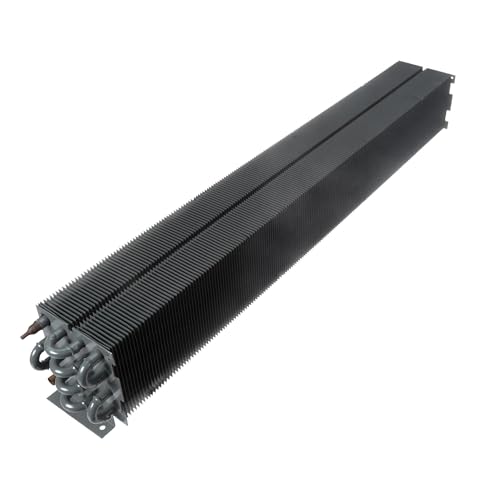
The evaporator coil — also called the indoor coil or cooling coil — is the heat-absorbing component of your air conditioning system. It sits inside the air handler or the indoor portion of a ductless system. Refrigerant enters the coil as a cold, low-pressure liquid. As warm indoor air is pulled across the coil's fins by the blower, the refrigerant absorbs heat and evaporates into a gas. That gas travels to the outdoor condenser, where heat is released, and the cycle repeats. Moisture from the air condenses on the coil and drains away, which is why your AC also dehumidifies.
In short: the evaporator coil is where cooling actually happens inside your home. Its condition directly determines how well — and how efficiently — your system performs. To understand the full cycle it belongs to, see our guide on heating, ventilating, and air conditioning fundamentals.
The Refrigerant Cycle in Context
The evaporator coil works in tandem with the condenser coil outdoors. The two coils are connected by refrigerant lines and a metering device (usually a TXV or piston). When the system runs correctly, the evaporator coil stays at a temperature low enough to remove heat and moisture but high enough to avoid freezing. Any imbalance — low refrigerant, restricted airflow, or a dirty coil — disrupts this delicate relationship. If your system is running but not cooling, our diagnostic guide on an air conditioner running but not cooling walks through the common causes.
Types & Configurations
Evaporator coils are not one-size-fits-all. Their design depends on the system type, cabinet layout, and refrigerant in use. Understanding the options helps you identify what you have and what a replacement must match.
| Configuration | Typical Application | Best For |
|---|---|---|
| A-shape (upflow/downflow) | Central split systems in closets, basements, or attics | Standard residential retrofits and new installs |
| N-shape / slab | Horizontal attic or crawlspace air handlers | Low-clearance spaces and compact cabinets |
| Cased coil | Factory-built metal enclosure matched to a furnace | Clean, fast replacement with predictable airflow |
| Uncased coil | Field-fabricated cabinet or custom duct transitions | Retrofits where a cased coil will not fit |
| Microchannel coil | Compact, high-efficiency systems | Space-constrained installs and corrosion-prone environments |
You will also encounter coils specified for different refrigerants. Older systems use R-410A or R-22, while newer equipment increasingly uses R-32 or R-454B. A replacement coil must be compatible with the refrigerant and metering device your outdoor unit expects. Mixing mismatched components can cause poor performance and premature failure. For regulatory background, see our overview of EPA refrigerant regulations.
Signs of a Failing Evaporator Coil
Evaporator coils rarely fail overnight. They usually give warning signs that, if caught early, can save you from a full system replacement. Watch for these indicators:
- Reduced cooling: The system runs constantly but the house never reaches the set temperature. This is often the first noticeable symptom.
- Ice on the indoor coil or refrigerant lines: Freezing usually indicates restricted airflow or low refrigerant — both of which stress the coil.
- Water leaks or standing water near the air handler: A clogged drain pan or frozen coil that thaws can overflow. Persistent moisture can also signal a corroded coil.
- Hissing or bubbling sounds: These often point to a refrigerant leak in the coil circuit.
- Musty odors: Microbial growth on a dirty, damp coil produces a distinct smell that lingers in the airstream.
- Higher indoor humidity: A coil that cannot properly condense moisture loses its dehumidifying effect.
- Frequent short cycling: The system turns on and off rapidly, often because the coil cannot transfer heat effectively.
Important: Ice on the coil is not a problem to ignore. Continuing to run the system with a frozen coil can damage the compressor — the most expensive single component in your system. Turn the system off and have it diagnosed. Our troubleshooting article on an AC fan working but no cold air covers several related scenarios.
Cleaning & Maintenance
Routine maintenance is the single most effective way to extend evaporator coil life. The coil lives in a dark, damp environment, which makes it a magnet for dust, pet hair, and biological growth. Keeping it clean preserves airflow and heat transfer.
What You Can Do Safely
- Replace the air filter regularly: A clogged filter restricts airflow and is the leading cause of frozen coils. Check it monthly during peak cooling season.
- Keep the drain pan and line clear: Flush the condensate drain with water or a mild vinegar solution to prevent algae clogs.
- Gently vacuum accessible coil surfaces: With the system off, use a soft brush attachment to remove loose dust from the fins you can reach.
- Maintain clear airflow: Keep supply and return vents unobstructed and ensure the blower compartment is clean.
What Requires a Professional
- Deep coil cleaning: Technicians use foaming cleaners, fin combs, and controlled rinse methods that are safe for the coil and drain system.
- Refrigerant checks and leak detection: Any work on the sealed refrigerant circuit requires licensing and specialized equipment. If you suspect a leak, see our guide on fixing a refrigerant leak in a central air conditioner.
- Coil replacement: This involves recovering refrigerant, brazing, evacuation, and recharging — all professional tasks.
A seasonal maintenance visit typically includes coil inspection, cleaning, refrigerant charge verification, and airflow measurement. If you are comparing service options, our article on heating and air conditioning service companies explains what to look for in a provider.
Replacement: Repair vs Replace
When an evaporator coil develops a leak or becomes badly fouled, the decision is rarely black and white. Use the following considerations to guide the conversation with your technician.
| Scenario | Typical Recommendation | Best For |
|---|---|---|
| Single small accessible leak, coil under 10 years old | Repair and recharge | Preserving a healthy system |
| Multiple leaks or widespread corrosion | Replace the coil | Avoiding repeat service calls |
| Coil over 12–15 years old with other aging components | Consider full system replacement | Long-term reliability and efficiency |
| Older refrigerant (R-22) system with coil failure | System replacement is often the practical path | Avoiding refrigerant supply constraints |
Always weigh the age and condition of the outdoor unit and furnace before committing to a coil-only replacement. Replacing a coil in a system that is near end-of-life can be a false economy. Our guide on furnace and air conditioner replacement helps you think through coordinated upgrades.
Efficiency note: A new coil matched to an older outdoor unit may not deliver the efficiency rating printed on either component. Matched systems — coil, condenser, and metering device designed together — consistently perform better. If efficiency is a priority, review our overview of energy efficiency of an air conditioner before deciding.
How to Choose a Replacement Coil
Selecting the right coil is about compatibility first, then build quality. Use this checklist when evaluating options with your contractor.
- Match the refrigerant: The coil must be rated for the refrigerant in your system. Never mix R-410A and R-32/R-454B components.
- Match the tonnage and airflow: The coil's capacity must align with the outdoor unit and the blower's airflow. An undersized or oversized coil degrades performance.
- Verify cabinet fit: Cased coils must fit the air handler or furnace opening without excessive adaptation. Uncased coils require a well-sealed, insulated cabinet.
- Check the metering device: A TXV or piston must be correct for the coil and refrigerant. Mismatched metering causes freezing or flooding.
- Evaluate build quality: Look for corrosion-resistant fin coatings, reinforced tube sheets, and solid brazing. Premium materials in high-end tiers typically resist formicary corrosion better than entry-level options.
- Confirm warranty terms: Coil warranties vary significantly. Understand coverage length and any labor terms before purchase.
- Plan the install: Proper evacuation, nitrogen purge during brazing, and accurate charging are essential. Our article on how to choose an HVAC contractor covers what to ask.
If your broader system is aging and you are weighing options, the resources on heating and cooling systems and high-efficiency HVAC provide useful context for upgrade planning.
Frequently Asked Questions
How long does an evaporator coil last?
A well-maintained evaporator coil typically lasts 10 to 15 years, often matching the lifespan of the outdoor condenser unit. Regular filter changes, professional cleaning, and correct refrigerant charge significantly extend its service life.
What are the signs of a failing evaporator coil?
Common signs include reduced cooling performance, ice buildup on the indoor coil, water leaks around the air handler, hissing or bubbling sounds from refrigerant leaks, and higher indoor humidity levels.
Can I clean the evaporator coil myself?
Light surface cleaning and regular filter replacement are safe DIY tasks. However, deep coil cleaning, chemical treatments, and any work involving the refrigerant circuit should be performed by a licensed HVAC technician.
Is it better to clean or replace a leaking evaporator coil?
Small accessible leaks can sometimes be sealed, but a coil with widespread corrosion or multiple leaks is usually better replaced. If the coil is over ten years old and the system uses older refrigerant, replacement is often the more efficient long-term decision.
Why does my evaporator coil keep freezing?
Freezing is almost always caused by restricted airflow (dirty filter, blocked ducts, failing blower) or low refrigerant charge. Both conditions prevent the coil from absorbing enough heat, causing its surface temperature to drop below freezing. Diagnose and correct the root cause rather than simply thawing the coil.
Does a dirty evaporator coil affect energy efficiency?
Yes. A layer of dust and biological growth on the coil acts as insulation, reducing heat transfer. The system runs longer to reach the set temperature, consuming more energy and increasing wear on the compressor. Regular maintenance is one of the most effective ways to preserve efficiency.