Fixing Freon Leak in Central Air Conditioner: Complete Guide
Detect, repair, and prevent refrigerant leaks to restore cooling performance, improve energy efficiency, and extend the lifespan of your central AC system
START DIAGNOSINGWhy This Guide Matters: A Freon leak in your central air conditioner is not just a comfort issue — it is a performance and environmental concern. A system low on refrigerant works harder, consumes more energy, and may eventually fail entirely. This comprehensive guide walks you through recognizing the warning signs, understanding repair options, and making informed decisions about your HVAC system. Whether you are a proactive homeowner or a DIY enthusiast exploring options before calling a professional, this resource equips you with the knowledge to act confidently.
How a Central Air Conditioner Works
Understanding the basic refrigeration cycle is essential before diagnosing a Freon leak. A central air conditioner uses a closed-loop system to transfer heat from inside your home to the outdoors. The key components include:
1 The Compressor
The compressor is the heart of the system. It pressurizes the refrigerant, raising its temperature and pressure so it can release heat outdoors. It is typically located in the outdoor condenser unit.
2 The Condenser Coil
Located outdoors, the condenser coil allows the pressurized refrigerant to release heat into the outside air. As the refrigerant cools and condenses into a liquid, it flows back toward the indoor unit.
3 The Expansion Valve
This metering device regulates the flow of refrigerant into the evaporator coil. It drops the pressure, causing the refrigerant to expand and cool rapidly.
4 The Evaporator Coil
Located indoors (often in the air handler or furnace cabinet), the evaporator coil absorbs heat from your home's air. The refrigerant evaporates as it absorbs heat, and the cooled air is distributed through ductwork. Learn more about evaporator coil function and maintenance.
The refrigerant — commonly referred to as Freon — circulates continuously through this loop. If the system develops a leak, refrigerant escapes, and the cooling cycle breaks down. For a deeper explanation of how the entire system operates, explore our guide on heating and cooling air conditioning units.
What Is Freon and Why It Leaks
"Freon" is a brand name that has become a generic term for refrigerants used in air conditioning systems. The most common refrigerants historically used in residential AC systems include:
- R-22 (HCFC-22): Known as Freon, this refrigerant was widely used for decades but is being phased out due to ozone-depleting properties. Production and import are banned in the United States.
- R-410A (Puron): A chlorine-free refrigerant used in most modern systems. It does not deplete the ozone layer but has a high global warming potential.
- R-32 and R-454B: Newer refrigerants with lower global warming potential, increasingly adopted in next-generation systems. Learn more about new refrigerant standards.
Freon leaks occur for several reasons. The most common causes include:
Vibration and Wear
Constant vibration from the compressor and fans can loosen fittings and cause hairline cracks in copper tubing over time.
Corrosion
Moisture and environmental exposure can corrode metal components, especially in coastal areas or humid climates.
Poor Installation
Improper brazing, inadequate tightening of flare fittings, or kinked lines during installation can create leak points.
Manufacturing Defects
Occasionally, defects in coils or joints from the factory can lead to premature leaks.
Formicary Corrosion
A form of corrosion that creates pinhole leaks in copper tubing, often caused by a reaction with formic acid in the environment.
Accidental Damage
Landscaping equipment, pets, or construction activities near the outdoor unit can damage refrigerant lines.
⚠️ Important Note on R-22 Systems
If your system uses R-22 (Freon), be aware that R-22 is no longer produced in the United States. Available supplies are limited to reclaimed or stockpiled refrigerant. This makes repairs involving R-22 increasingly impractical. If your system has a significant R-22 leak, replacement with a modern refrigerant system is often the more sustainable long-term choice.
Signs of a Freon Leak
Detecting a Freon leak early can save you from discomfort and more extensive system damage. Watch for these common warning signs:
Reduced Cooling Performance
Your AC runs constantly but struggles to reach the set temperature. The air coming from vents may feel lukewarm rather than cold. This is often the first noticeable symptom. Explore more on AC fan working but no cold air.
Ice Buildup on Evaporator Coil
Low refrigerant causes the evaporator coil to drop below freezing, leading to ice accumulation. You may notice frost on the indoor unit or refrigerant lines. See AC frozen coils solutions.
Hissing or Bubbling Sounds
A distinct hissing or bubbling noise coming from the refrigerant lines often indicates escaping gas. This sound is most noticeable near the outdoor unit or along the line set.
Higher Energy Consumption
A system low on refrigerant runs longer and harder, driving up your electricity usage. An unexpected spike in your energy bills without a change in usage habits is a red flag. Learn how to reduce AC electricity bill.
Visible Oil Residue
Refrigerant oil circulates with the refrigerant. A leak often leaves an oily stain or residue on the copper lines, fittings, or coil surfaces. This is one of the most reliable visual indicators.
Frozen Outdoor Unit Lines
Ice forming on the large suction line entering the outdoor unit is a strong sign of low refrigerant pressure. This should not be confused with normal frost on the small liquid line.
If you notice any of these signs, it is advisable to schedule a professional inspection promptly. Ignoring a leak allows the problem to worsen, potentially leading to compressor failure — one of the most expensive components to replace. For comprehensive troubleshooting, see our guide on house air conditioner running but not cooling.
How to Detect a Freon Leak
Professional technicians use several methods to locate refrigerant leaks accurately. Understanding these techniques helps you appreciate the scope of a proper diagnostic service.
1 Electronic Leak Detection
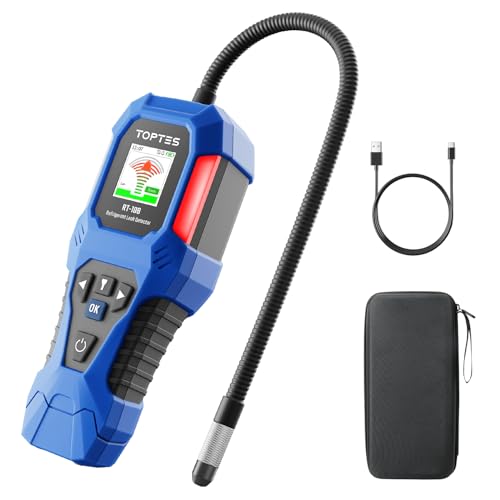
Technicians use electronic refrigerant detectors that sense halogen gases in the air. These devices are highly sensitive and can pinpoint leaks in coils, line sets, and fittings. The detector sounds an alarm or changes its tone when it senses refrigerant.
2 UV Dye Testing
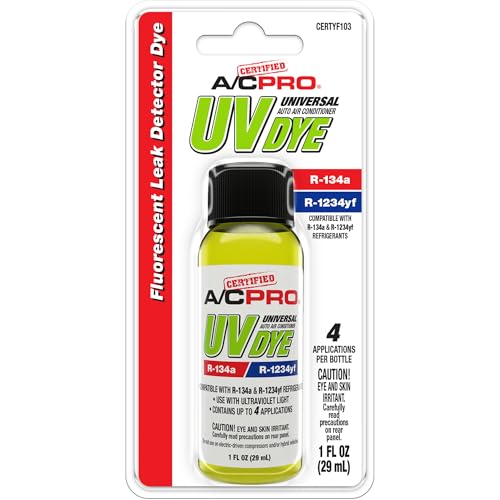
A fluorescent dye is injected into the refrigerant circuit. After the system runs for a period, the technician inspects components with a UV lamp. Leaks glow brightly under UV light, making them easy to locate. This method is excellent for slow, elusive leaks.
3 Soap Bubble Testing
For accessible joints and fittings, a soap solution is applied. Escaping refrigerant creates visible bubbles. This simple method is useful for verifying leaks at flare fittings and brazed joints.
4 Pressure Testing with Nitrogen
The system is pressurized with dry nitrogen and monitored for pressure drops. This method confirms the presence of a leak but may not pinpoint the exact location without additional techniques. It is often used in conjunction with other detection methods.
5 Vacuum Test
After repairs, the system is evacuated with a vacuum pump and monitored to ensure it holds a vacuum. This confirms that leaks have been successfully repaired before recharging with refrigerant.
Repair Options Explained
Once a leak is confirmed, the repair approach depends on the location, severity, and the type of refrigerant in the system. Here are the primary options available:
1 Brazing and Sealing the Leak
For accessible copper tubing leaks, a technician can braze the area using silver solder and flux. This is a permanent repair for pinhole leaks and cracks. The refrigerant must be recovered first, and the system must be evacuated and recharged afterward.
2 Replacing Leaky Components
If the leak is in a Schrader valve, flare fitting, or a section of line set, the component is replaced. Evaporator and condenser coil leaks may require coil replacement if the damage is extensive or inaccessible for repair. Learn about heat pump and condenser components.
3 Refrigerant Stop-Leak Products
For minor leaks, a stop-leak additive can be introduced into the system. These products contain polymers that swell upon contact with air at the leak site, sealing small holes. However, stop-leak is a temporary measure and not recommended for large leaks or for systems with sensitive components. Learn more about Freon stop leak products.
4 Recharging with Refrigerant
After a leak is repaired and the system is verified to hold pressure and vacuum, the system is recharged with the correct amount and type of refrigerant. Note that simply recharging without repairing the leak is a temporary fix at best and is not compliant with EPA regulations. For information on recharge processes, see recharging Freon in home air conditioner.
⚠️ Avoid "Topping Off" Without Repair
Many homeowners are tempted to simply add refrigerant without fixing the underlying leak. This approach is short-sighted. The system will continue to leak, and repeated recharges will not solve the root problem. Moreover, releasing refrigerant into the atmosphere is harmful and regulated by the EPA. Always repair the leak first.
DIY vs Professional Repair: What You Should Know
While some HVAC tasks are suitable for confident DIYers, refrigerant leak repair is not one of them. Here is a candid breakdown of what each approach entails:
| Aspect | DIY Approach | Professional Service |
|---|---|---|
| Legal Requirements | Handling refrigerants requires EPA Section 608 certification. Without it, purchasing refrigerant is illegal. | Technicians are EPA-certified and comply with all regulations. |
| Equipment Needed | Refrigerant recovery machine, vacuum pump, gauges, leak detector, brazing tools, nitrogen regulator — a significant investment. | Fully equipped with professional-grade tools and diagnostic instruments. |
| Safety Risks | Refrigerant can cause frostbite and asphyxiation. Brazing involves open flame and high temperatures. | Trained in safe handling procedures and equipped with personal protective equipment. |
| Leak Detection Accuracy | Limited access to electronic detectors and UV dye kits. May miss hidden or slow leaks. | Uses multiple detection methods for reliable, thorough diagnosis. |
| Warranty Impact | DIY repairs may void manufacturer warranty. | Professional repairs often preserve warranty coverage. |
| Long-Term Reliability | Improper repair can lead to recurring leaks or system damage. | Proper repair techniques ensure lasting results and system integrity. |
For most homeowners, the safest and most effective approach is to hire a licensed HVAC technician. The complexity of refrigerant systems, combined with legal and safety considerations, makes professional service the responsible choice. To find a qualified technician in your area, use our guide on find HVAC contractor near me and learn how to choose an HVAC contractor.
Repair or Replace: Making the Right Decision
When faced with a Freon leak, one of the most consequential decisions is whether to repair the existing system or replace it entirely. Several factors influence this choice:
1 Age of the System
Central air conditioners have an average lifespan of 10 to 15 years. If your system is in this range or older, a major repair like a coil replacement or compressor issue may not be the wisest investment. Newer systems are significantly more energy-efficient, potentially offsetting the upfront investment through lower energy consumption over time.
2 Type of Refrigerant
R-22 systems present a unique challenge. Since R-22 is phased out, refrigerant supplies are limited and any repair requiring R-22 becomes increasingly impractical. If you have an R-22 system with a leak, replacement with a modern R-410A or R-32 system is often the pragmatic choice. For a broader comparison of system types, see different types of central air conditioning systems.
3 Frequency of Repairs
If your system has required multiple repairs in recent years, it may be approaching the end of its reliable service life. Repeated refrigerant leaks can indicate widespread corrosion or multiple failure points. In such cases, replacement provides a clean slate with a new warranty.
4 Energy Efficiency
Modern central air conditioners offer significantly higher SEER ratings than older models. Upgrading to a high-efficiency system can reduce your energy consumption substantially. Explore highest efficiency central air conditioner options and energy-efficient central air conditioners to understand the potential savings.
5 Extent of the Leak
A single accessible pinhole leak in an otherwise healthy system is a straightforward repair. However, a leaking evaporator coil buried in the air handler or multiple leaks throughout the system may tip the balance toward replacement.
To explore system replacement options and understand the investment involved, refer to our resources on cost of new air conditioner and installation and furnace and air conditioner replacement.
Preventing Future Freon Leaks
While not all leaks are preventable, proactive maintenance significantly reduces the risk. Here are key practices to protect your central AC system:
- Schedule annual professional maintenance: A certified technician should inspect the system each year, checking for refrigerant level, pressure, and early signs of leaks. Regular tune-ups are the single most effective preventive measure.
- Keep the outdoor unit clean and clear: Remove debris, leaves, and dirt from around the condenser unit. Ensure adequate airflow and trim vegetation away from the unit.
- Inspect refrigerant lines periodically: Look for signs of wear, oil residue, or damage to the insulation on the line set. Prompt attention to minor issues prevents larger problems.
- Change air filters regularly: Restricted airflow strains the entire system, including the compressor and refrigerant circuit. Replace filters every 1-3 months during peak cooling season.
- Avoid physical damage: Be cautious when doing yard work near the outdoor unit. Do not lean objects against the unit or allow pets to chew on line set insulation.
- Monitor system performance: Keep an eye on cooling output and energy bills. Any unexplained changes warrant a professional inspection. Learn more in our AC maintenance guide and seasonal AC checklist.
EPA Regulations and Compliance
The United States Environmental Protection Agency (EPA) regulates the handling and disposal of refrigerants under Section 608 of the Clean Air Act. Key points for homeowners to understand:
- Certification required: Technicians who service, repair, or dispose of refrigerant-containing equipment must be EPA Section 608 certified. This ensures proper handling and environmental protection.
- No venting allowed: It is illegal to intentionally release refrigerant into the atmosphere. Refrigerant must be recovered using certified recovery equipment.
- Leak repair requirements: For commercial systems above a certain refrigerant charge, EPA rules mandate timely repair of leaks. Residential systems are not subject to the same strict repair timeline, but the venting prohibition still applies.
- Recordkeeping: While residential homeowners do not maintain refrigerant records, professional service companies are required to document refrigerant usage and disposal.
Compliance with these regulations protects the environment and ensures that your system is serviced legally and responsibly. For a detailed overview, visit our page on EPA refrigerant regulations.
Ready to Address Your AC Leak?
Don't let a Freon leak compromise your comfort and energy efficiency. Whether you need a professional repair or are considering a system upgrade, make an informed decision with our comprehensive resources.
Find a Qualified HVAC TechnicianFrequently Asked Questions
Common signs include reduced cooling performance, hissing or bubbling sounds from the refrigerant lines, ice buildup on the evaporator coil, visible oil residue on components, and higher energy consumption. A professional leak detection test using electronic detectors or UV dye can confirm the presence of a leak and pinpoint its location.
While stop-leak products are available for minor leaks, they are a temporary measure and not a substitute for proper repair. More importantly, handling refrigerants requires EPA Section 608 certification. Without it, purchasing refrigerant is illegal. For safety, compliance, and lasting results, professional repair is strongly recommended. Learn more about Freon stop leak options.
A properly repaired leak — such as brazing a pinhole in copper tubing or replacing a faulty Schrader valve — can last for the remaining lifespan of the system. However, if the leak is due to widespread corrosion or multiple leak points, the repair may be short-lived, and replacement of affected components or the entire system may be more reliable.
If the system is older than 10-12 years, uses R-22 refrigerant (phased out), or has a history of repeated repairs, replacement with a modern high-efficiency system is often the better long-term investment. For newer systems under warranty, repair is usually the preferred option. Explore energy-efficient central air conditioners to compare modern options.
The refrigerant type is listed on the data plate of the outdoor condenser unit. Look for "Refrigerant" or "Charge" followed by a designation like R-22, R-410A, R-32, or R-454B. If your system was manufactured before 2010, it likely uses R-22. Systems manufactured after 2010 typically use R-410A, while the newest systems may use R-32 or R-454B.
Schedule annual professional maintenance, keep the outdoor unit clean and free of debris, change air filters regularly, inspect refrigerant lines for wear or damage, and avoid physical damage to the system. Prompt attention to minor issues can prevent larger leaks from developing. See our AC maintenance guide for a complete checklist.
Final Thoughts
A Freon leak in your central air conditioner is a serious issue that demands prompt attention. By understanding the warning signs, knowing your repair options, and making informed decisions about repair versus replacement, you can protect your home comfort and your investment. Remember that while some aspects of HVAC repair are tempting DIY projects, refrigerant handling is best left to certified professionals — for your safety, for the environment, and for the longevity of your system.
For further reading, explore our guides on heating and air conditioning repair, energy efficiency of an air conditioner, and HVAC contractors to ensure your system operates at peak performance for years to come.