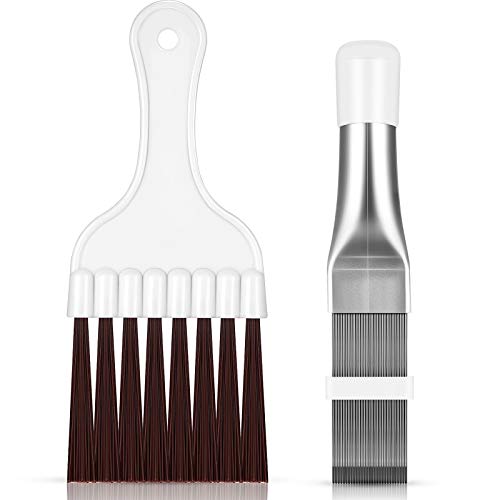
Fin Comb: The Simple Tool That Restores Bent AC Fins and Improves Airflow
Bent condenser and evaporator fins quietly rob your air conditioner of efficiency. A fin comb is an inexpensive maintenance tool that straightens damaged fins, restores airflow, and helps your system run closer to its designed capacity. This guide explains how fin combs work, how to choose the right one, and how to use it safely.
Explore the GuideWhy this matters: Air conditioner fins are thin aluminum or copper plates that transfer heat between the refrigerant and the surrounding air. When they bend, airflow is restricted and heat exchange drops. Straightening them with a fin comb is one of the simplest preventive maintenance steps a homeowner can perform — provided it is done carefully and with the right tool.
What Is a Fin Comb and What Does It Do?
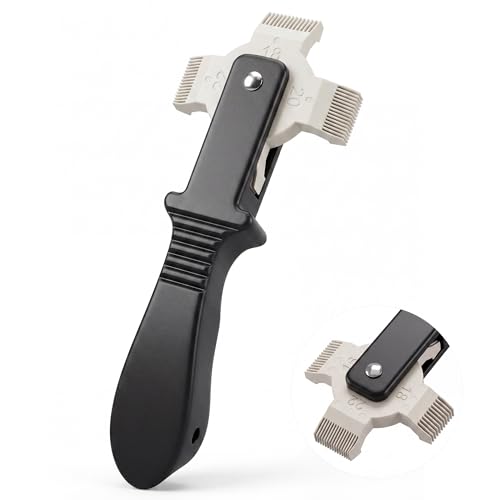
A fin comb is a handheld tool with a row of precision-spaced teeth that match the fin pitch (fins per inch, or FPI) of an air conditioner coil. By gently drawing the comb across a bent fin section, the teeth lift and realign the metal without tearing it. The result is a straighter coil surface, freer airflow, and more consistent heat transfer.
Fins are easily damaged during cleaning, by hail, by lawn debris, or by pets and pests. Even minor bending reduces the coil's effective surface area. A fin comb restores much of that area in a few minutes of careful work. It is a small, durable tool that belongs in any homeowner's HVAC maintenance kit, alongside a coil cleaner and a soft brush.
Fin combs are commonly used on:
- Condenser coils on outdoor units, where debris and impact damage are most common.
- Evaporator coils inside air handlers or ducted systems, usually accessed during professional service.
- Mini-split outdoor coils, which have closely spaced fins that bend easily.
- Window and portable AC coils, especially after transport or storage.
How a Fin Comb Works
The tool works by mechanical realignment rather than cutting or removing material. Each tooth slides into the gap between two fins and pushes the bent metal back toward its original vertical position. Because the teeth are matched to the fin spacing, the comb does not crush adjacent fins — a critical detail, since forcing the wrong comb onto a coil can cause more damage than it fixes.
Most fin combs are made from high-grade plastic or reinforced nylon, with some professional-grade models using metal teeth for heavy-duty work. Plastic combs are the safer choice for most homeowners because they flex slightly and reduce the risk of puncturing the coil tubing. Metal combs are better reserved for experienced technicians working on rugged commercial coils.
Types of Fin Combs
Fin combs are sold in several configurations. The right choice depends on the coil you intend to service and how often you plan to use the tool.
| Type | Best For | Notes |
|---|---|---|
| Single-pitch fin comb | One specific coil with a known FPI | Entry-level option; works well if you service one system only. |
| Multi-pitch fin comb | Homes with several AC units or varied coils | Mid-range tool with several tooth sets covering common fin spacings. |
| Adjustable fin comb | Technicians and multi-system owners | High-end tier; teeth can be set to match nearly any coil. |
| Comb with brush attachment | Combined straightening and cleaning | Balanced tier; convenient for seasonal maintenance. |
Most residential condenser coils fall in the range of 14 to 20 fins per inch, while some high-efficiency coils use denser spacing. Always confirm the FPI before selecting a comb. If the pitch is unknown, an adjustable model is the safest choice.
Signs Your AC Fins Are Bent and Need a Fin Comb
Bent fins are not always obvious from a distance. Look for these indicators during a routine outdoor unit inspection:
- Visible flattened or crushed sections on the coil face.
- Debris such as grass clippings, leaves, or cottonwood fluff packed into the fins.
- Reduced airflow from the top of the condenser fan.
- Higher energy consumption without a change in thermostat settings.
- Longer cooling cycles or uneven room temperatures.
- Frost or ice forming on the indoor coil in severe cases.
If the coil is heavily impacted by debris, clean it first with a soft brush or coil cleaner and a gentle water rinse. Straightening fins that are still packed with dirt pushes contaminants deeper into the coil and can worsen performance.
How to Use a Fin Comb: Step-by-Step
Always disconnect power to the outdoor unit at the breaker before working near the coil. The fan and contactor can start unexpectedly, and the coil itself is sharp.
- Turn off power at the disconnect or the main breaker. Confirm the unit is de-energized.
- Remove the outer grille or fan guard if it blocks access to the coil face. Keep screws in a labeled container.
- Clean loose debris with a soft brush or vacuum. Do not use a pressure washer on the fins.
- Identify the fin pitch and select the matching comb head or setting.
- Start at one edge of the damaged section and draw the comb slowly in one direction, following the fin direction.
- Work in small sections, checking alignment as you go. Do not force the comb if it binds.
- Inspect for punctures after straightening. Any refrigerant leak requires a licensed technician.
- Reinstall the grille, restore power, and test the unit.
Safety Reminder
Coil fins are sharp enough to cut through work gloves. Wear cut-resistant gloves and eye protection. Never straighten fins on a running unit, and never attempt to repair a coil that shows signs of refrigerant leakage — that is a job for a certified HVAC technician.
How to Choose the Right Fin Comb
Match the comb to the coil, not the other way around. A comb that is too coarse will crush fins; one that is too fine will not seat properly and may skip across the surface. Consider these factors:
- Fin pitch (FPI): The single most important specification. Measure or look up the coil's rating.
- Tooth material: Plastic or reinforced nylon for homeowner use; metal for professional-grade work.
- Handle ergonomics: A comfortable grip matters during longer sessions.
- Storage case: Keeps teeth protected and the tool ready for seasonal maintenance.
- Multi-pitch or adjustable design: A good long-term investment if you own more than one system.
If you are unsure which FPI your unit uses, consult the owner's manual or the specification plate on the outdoor unit. When in doubt, a multi-pitch comb covers the common residential range without guesswork.
Where the Fin Comb Fits in Your AC Maintenance Routine
Fin straightening is not a substitute for a full maintenance visit, but it pairs well with seasonal tasks. A practical schedule looks like this:
- Spring: Inspect the outdoor coil, clean debris, and straighten bent fins before cooling season.
- Mid-summer: Quick visual check after storms or landscaping work.
- Fall: Clean and straighten fins before the unit sits idle, and cover the top if appropriate for your climate.
- Annually: Schedule a professional tune-up to check refrigerant charge, electrical components, and overall system health.
Combining DIY fin maintenance with a professional tune-up keeps the system efficient and extends the life of the compressor. For a broader look at what a tune-up covers, see our guide to HVAC tune-up tasks and scheduling.
Common Mistakes to Avoid
- Using the wrong pitch: The most frequent cause of further damage.
- Forcing a stuck comb: Stop and reposition rather than bending the teeth.
- Working on a dirty coil: Clean first, straighten second.
- Ignoring punctures: Any sign of oil residue or hissing means a refrigerant leak.
- Skipping power-down: Always disconnect power before touching the unit.
When to Call a Professional Instead
A fin comb handles surface-level bending well, but some situations require a technician:
- Deeply crushed coil sections that cannot be reached with a comb.
- Any evidence of refrigerant leakage, including oily residue or frost patterns.
- Coils that are corroded or physically separated from the tubing.
- Repeated fin damage caused by an underlying airflow or installation problem.
If your system is not cooling despite clean, straight fins, the issue may be elsewhere — low refrigerant, a failing capacitor, or a blocked filter. Our troubleshooting overview on common air conditioner fixes can help you narrow down the cause before calling a technician.
Ready to add a fin comb to your maintenance kit? Browse our curated selection of air conditioner maintenance tools and accessories.
View Maintenance ToolsFrequently Asked Questions
Can a fin comb fix all bent AC fins?
No. A fin comb works well on minor to moderate bending, but severely crushed or torn fins may need replacement by a technician. If the coil tubing is damaged, straightening the fins will not restore performance.
How often should I use a fin comb?
Inspect the outdoor coil at least once per season, and after storms or landscaping work. Straighten only the sections that are visibly bent — routine over-combing is unnecessary.
What fin pitch do I need?
Most residential condenser coils use 14 to 20 fins per inch. Check the unit's specification plate or manual. If you are unsure, a multi-pitch or adjustable comb covers the common range safely.
Is a plastic or metal fin comb better?
Plastic and reinforced nylon combs are safer for homeowner use because they reduce the risk of puncturing the coil. Metal combs are better suited to experienced technicians and heavy-duty commercial coils.
Can I use a fin comb on a mini-split?
Yes, but mini-split coils often have closely spaced fins. Confirm the pitch first and work slowly. For indoor mini-split heads, access may be limited, so professional service is often the safer route.
Will straightening fins lower my energy use?
Restoring airflow and heat transfer helps the system run closer to its designed efficiency, which can reduce run time. The effect is most noticeable when a significant portion of the coil was blocked.
Final Thoughts
A fin comb is one of the most practical tools in air conditioner maintenance. It is compact, durable, and straightforward to use, and it directly addresses a common cause of reduced airflow and efficiency. Used carefully and with the correct pitch, it helps protect your system between professional tune-ups and supports better cooling performance throughout the season.
Pair fin straightening with regular filter changes, coil cleaning, and annual professional service for the best results. If you are planning a broader maintenance schedule or comparing system options, explore our other guides on ductwork design and fans and cooling support to get the most from your system.