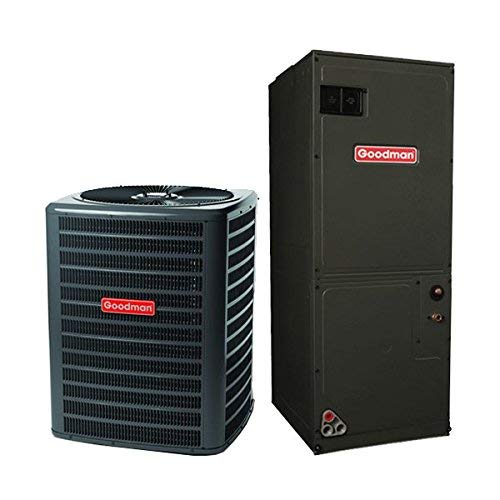
Heat Pump vs Air Conditioner: Which Cooling and Heating System Is Right for Your Home?
Last updated: September 3, 2026 · Comprehensive comparison guide
Understanding the Core Difference
At first glance, a heat pump and an air conditioner look nearly identical and share the same fundamental components: a compressor, condenser coil, evaporator coil, and refrigerant lines. Both use refrigerant to move heat from one place to another. The critical distinction lies in direction. An air conditioner absorbs heat from inside your home and releases it outdoors. A heat pump does the same in summer, but in winter it reverses the process, extracting heat from the outdoor air and moving it indoors. This dual capability makes the heat pump a true two-in-one system.
Because they share so much engineering, the cooling performance of a modern heat pump is essentially on par with a dedicated air conditioner. The real differences emerge in how each system integrates with your home's heating infrastructure, how efficiency ratings translate across seasons, and how installation complexity varies. For a deeper technical breakdown of ductless configurations that often pair with heat pumps, explore our ductless mini-split heat pumps guide.
Side-by-Side Comparison
| Feature | Air Conditioner | Heat Pump |
|---|---|---|
| Primary Function | Cooling only | Cooling and heating |
| How It Works | Moves heat from indoors to outdoors in one direction | Reverses refrigerant flow with a reversing valve to move heat in either direction |
| Heating Capability | None (requires a separate furnace or heater) | Yes, via reverse-cycle operation or electric resistance backup |
| Cooling Efficiency | Measured by SEER2; high-efficiency models reach top-tier ratings | Measured by SEER2 for cooling and HSPF2 for heating; premium units match AC efficiency |
| Heating Efficiency | Not applicable | Measured by HSPF2; significantly more efficient than electric resistance heating |
| Best For | Homes with existing gas or oil furnaces in mild-to-hot climates | Homes needing both heating and cooling, especially in climates with moderate winters |
| Installation Complexity | Slightly simpler; no reversing valve or defrost controls | More complex; requires condensate management, defrost cycle, and low-ambient controls |
| Lifespan | 15–20 years with regular maintenance | 15–20 years; year-round operation may mean more compressor hours |
| Cold-Climate Performance | Not applicable | Cold-climate rated models operate effectively down to 5°F or lower |
| Environmental Impact | Lower initial refrigerant charge; cooling-only footprint | Higher efficiency reduces overall energy consumption; modern refrigerants reduce GWP |
How Each System Works in Practice
In cooling mode, both systems operate identically. The indoor coil absorbs heat and humidity from your home's air, and the outdoor unit releases that heat into the atmosphere. The compressor circulates refrigerant between the two coils, and the expansion valve regulates pressure to enable heat transfer. This is why the cooling experience of a heat pump feels indistinguishable from a conventional air conditioner.
In heating mode, the heat pump activates a reversing valve that changes the direction of refrigerant flow. The outdoor coil becomes the evaporator, absorbing ambient heat from the outside air even when temperatures feel cold, and the indoor coil becomes the condenser, releasing that captured heat into your living space. This process is far more efficient than generating heat from scratch, which is why heat pumps deliver more heating energy per unit of electricity consumed than resistance-based systems.
Air conditioners lack this reversing mechanism entirely. They rely on a separate heating source, such as a gas furnace, boiler, or electric baseboard heater, to keep your home warm during winter. For homeowners with an existing forced-air furnace, pairing an air conditioner with that furnace is a common and practical approach, though it means maintaining two separate systems. If you are exploring ductless options that integrate both functions, the ductless mini-split air conditioners and heating overview provides useful context.
Efficiency Ratings Explained
Efficiency is where the comparison becomes more nuanced. Air conditioners are rated primarily by SEER2 (Seasonal Energy Efficiency Ratio), which measures cooling efficiency over a typical cooling season. Heat pumps carry two ratings: SEER2 for cooling and HSPF2 (Heating Seasonal Performance Factor) for heating. A heat pump's SEER2 rating reflects its cooling performance and can be directly compared to an air conditioner's SEER2. Its HSPF2 rating, however, has no equivalent on an air conditioner because AC units do not heat.
When evaluating overall efficiency, consider how many months of the year each system operates. In a climate with long, hot summers and mild winters, a high-SEER2 air conditioner paired with a gas furnace may deliver excellent seasonal performance. In a region with balanced heating and cooling demands, a heat pump's dual efficiency ratings often translate to lower annual energy consumption because one system handles both seasons. For a deeper dive into efficiency metrics, see our guide on high-SEER air conditioners.
Essential Comfort
Standard efficiency ratings suitable for mild climates and budget-conscious installations. Reliable performance for basic cooling or heating needs.
Balanced Performance
Improved SEER2 and HSPF2 ratings with variable-speed compressors. A solid choice for homeowners seeking efficiency gains without top-tier specifications.
Premium Efficiency
Top-tier SEER2 and HSPF2 ratings, advanced inverter technology, and cold-climate capability. Designed for maximum year-round efficiency and quiet operation.
Tier descriptors reflect relative market positioning and feature sets, not absolute figures. Higher tiers generally offer smoother modulation, quieter operation, and better cold-weather performance.
Pros and Cons at a Glance
Heat Pump Advantages
- Provides both heating and cooling from one system
- Highly efficient in heating mode compared to resistance heaters
- Eliminates the need for a separate furnace in many setups
- Modern cold-climate models handle sub-freezing temperatures
- Reduces reliance on fossil fuel combustion for heating
- Variable-speed models deliver precise temperature control
Heat Pump Considerations
- Higher initial complexity due to reversing valve and defrost controls
- Heating capacity diminishes as outdoor temperatures drop significantly
- Requires condensate drainage management in heating mode
- May need supplemental heat in extreme cold climates
- Year-round operation can increase compressor runtime hours
Air Conditioner Advantages
- Simpler design with fewer components to service
- Pairs seamlessly with existing gas or oil furnaces
- Excellent cooling efficiency in high-SEER2 models
- Lower upfront complexity for cooling-only applications
- Well-established installation and service ecosystem
Air Conditioner Considerations
- Cannot provide heating on its own
- Requires a separate heating system and associated maintenance
- Two systems mean two sets of service schedules and potential failure points
- Less versatile in climates with significant heating demand
Climate Considerations: Where Each System Excels
Climate is arguably the single most important factor in this decision. In hot climates with mild winters, such as the southern United States, an air conditioner paired with a gas furnace or electric heat strip is a well-established and practical configuration. Cooling demand dominates the year, and a high-efficiency AC delivers excellent performance without the added complexity of a reversing valve.
In mixed climates with distinct heating and cooling seasons, a heat pump often shines. It handles summer cooling efficiently and provides winter heating at a fraction of the energy consumption of resistance heating. Homeowners in these regions frequently find that a single heat pump system simplifies maintenance and reduces overall energy use compared to running an AC and a separate furnace.
In cold climates, the calculus shifts again. Older heat pumps lost significant capacity in freezing temperatures, but modern cold-climate heat pumps maintain robust performance well below freezing. For homeowners in regions with extended sub-zero periods, a dual-fuel setup—pairing a heat pump with a gas furnace as backup—offers the best of both worlds. If you are considering a ductless configuration for a cold climate, our ductless heat pump system guide explains how these systems are engineered for year-round performance.
Installation and Integration Factors
Installation complexity differs between the two systems, though both require professional expertise for refrigerant handling and electrical work. An air conditioner installation typically involves connecting the indoor evaporator coil to the existing furnace or air handler, running refrigerant lines to the outdoor condenser, and ensuring proper airflow through the ductwork. This is a well-trodden path for HVAC contractors.
A heat pump installation adds a few layers. The reversing valve must be properly configured, defrost controls must be calibrated to prevent outdoor coil icing, and condensate drainage must be managed for both cooling and heating modes. In ductless applications, the indoor and outdoor units communicate through refrigerant lines and control wiring, and the placement of each head unit requires careful planning for optimal air distribution. For a comprehensive overview of ductless installation, the ductless mini-split system overview covers the key planning steps.
If your home already has ductwork and a functioning furnace, adding a heat pump can be done in a dual-fuel configuration where the heat pump handles mild weather and the furnace takes over in extreme cold. This approach leverages existing infrastructure while gaining the efficiency benefits of heat pump operation for most of the year. Homeowners exploring a complete system replacement may find our ductless mini-split AC guide helpful for understanding ductless alternatives.
Maintenance and Longevity
Both systems benefit from regular maintenance: cleaning or replacing filters, inspecting coils, checking refrigerant levels, and ensuring unobstructed airflow around the outdoor unit. Heat pumps require a few additional checks, such as verifying the reversing valve operation, inspecting the defrost cycle, and confirming that condensate drains function properly in both heating and cooling modes.
In terms of longevity, both air conditioners and heat pumps typically last 15 to 20 years with proper care. A heat pump operates year-round, which means its compressor may accumulate more runtime than an air conditioner that sits idle during winter. However, quality construction, appropriate sizing, and diligent maintenance are the dominant factors in lifespan. Homeowners who maintain a consistent service schedule tend to see both systems reach the upper end of their expected service life.
Decision Framework: Which System Fits Your Situation?
If you live in a hot climate with mild winters and already have a gas furnace, a high-efficiency air conditioner is a practical, well-proven choice. It delivers excellent cooling performance, integrates seamlessly with your existing heating system, and keeps the number of HVAC components to a minimum.
If you live in a climate with meaningful heating and cooling seasons, or if you are replacing both an aging AC and an aging furnace, a heat pump offers compelling advantages. One system handles both seasons, efficiency in heating mode is significantly better than resistance heating, and modern cold-climate models extend viability into colder regions. For homeowners considering a ductless heat pump as a replacement for window units or baseboard heaters, the ductless heating and cooling systems overview provides a useful starting point.
If you are building a new home or undertaking a major renovation, the decision is best made early in the design process. A heat pump can be integrated into a ducted or ductless design from the outset, while an air conditioner plus furnace configuration requires dedicated space and venting for the furnace. Consulting an HVAC professional who can perform a load calculation for your specific home is the most reliable way to determine which system will perform best in your circumstances.
Frequently Asked Questions
Can a heat pump replace an air conditioner?
Yes. A heat pump provides the same cooling function as an air conditioner while also adding heating capability. In cooling mode, their performance is essentially equivalent, so a heat pump can fully replace an air conditioner for summer comfort.
Is a heat pump more energy efficient than an air conditioner?
Heat pumps are generally more efficient overall because they deliver both heating and cooling from one system. In cooling mode, premium heat pumps match high-SEER2 air conditioners. In heating mode, they far outperform electric resistance heating, making them a strong choice for year-round efficiency.
How long does a heat pump last compared to an air conditioner?
Both systems typically last 15 to 20 years with proper maintenance. Heat pumps run year-round, so their compressors may accumulate more operating hours, but quality construction and regular servicing keep both systems durable for similar lifespans.
Do heat pumps work in cold climates?
Modern cold-climate heat pumps operate effectively in temperatures as low as 5°F to -13°F depending on the model. Premium cold-climate rated units maintain capacity in sub-freezing conditions, making them viable in most US regions. In extremely cold areas, a dual-fuel setup with a furnace backup is a common and practical configuration.
Which system is quieter?
Both air conditioners and heat pumps are available with advanced sound-dampening features. Premium inverter-driven models in either category operate quietly. The outdoor unit's noise level depends more on the specific model's engineering than on whether it is an AC or a heat pump.
Can I add a heat pump to my existing ductwork?
In many cases, yes. A ducted heat pump can be connected to existing ductwork, especially in a dual-fuel configuration where the heat pump works alongside an existing furnace. A professional assessment of duct sizing and condition is recommended before proceeding.
Ready to Explore Your Options?
Browse our curated selection of heat pumps and air conditioners to find the right fit for your home.
View Recommended Systems