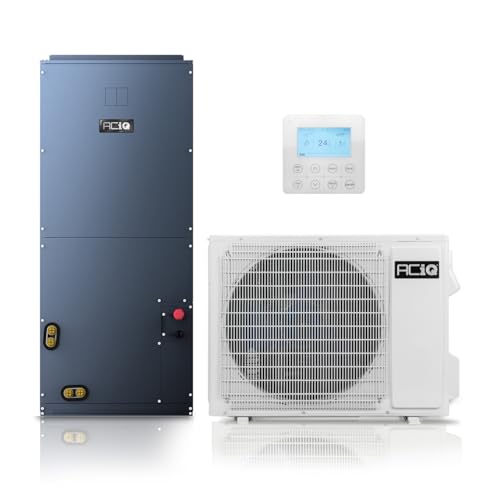
Highest Efficiency Central Air Conditioner: The Complete Guide
Explore the top-tier central cooling systems engineered for maximum energy performance, learn how SEER2 ratings and variable-speed technology work together, and discover which premium systems deserve your attention.
Explore the GuideWhy this guide matters: If you are researching the highest efficiency central air conditioner, you have likely moved past the basics of sizing and standard models. You are now comparing the flagship tier of residential cooling — systems built for outstanding efficiency, quiet operation, and long-term reliability. This guide walks through the technology, the ratings that matter, and the feature set that separates top-tier equipment from the rest, so you can make a confident, well-informed decision.
What Defines the Highest Efficiency Central Air Conditioner?
In the United States, central air conditioners are rated using SEER2, the updated efficiency metric introduced by the Department of Energy. The highest efficiency central air conditioners are the units that sit at the very top of that scale. While entry-level single-stage systems typically hover near the minimum regional standards, premium variable-speed systems reach SEER2 ratings in the low-to-mid 20s and beyond, making them the flagship tier of the residential market.
Efficiency in these systems is not about a single component. It is the result of a carefully matched design: a variable-speed or two-stage compressor, an electronically commutated (ECM) blower motor, a large condenser coil with optimized airflow, and a communicating control board that keeps every part working in harmony. When you research energy-efficient central air conditioners, you will notice that top-tier units share these engineering traits.
It is also important to understand that a high SEER2 rating is only fully realized when the system is correctly sized and paired with a matching indoor coil and ductwork. A flagship outdoor unit connected to an undersized coil or leaky ducts will not deliver its rated performance. This is why the sizing process deserves as much attention as the equipment itself.
Quick Definition: Highest Efficiency Tier
For residential central cooling, systems with SEER2 ratings of roughly 20 and above are considered the highest efficiency tier. Units in the mid-20s represent the absolute top of the mainstream market, and they are almost always variable-speed, communicating systems with premium build quality.
Understanding SEER2 and Why It Matters
SEER2 (Seasonal Energy Efficiency Ratio 2) measures how much cooling a system delivers per unit of electricity over a typical cooling season, tested under updated, more realistic conditions. A higher SEER2 means more cooling for the same energy input. For buyers researching the highest efficiency central air conditioner, SEER2 is the single most important number on the spec sheet.
The Department of Energy maintains minimum efficiency standards by region, and those minimums have risen in recent years. That means even entry-level systems are more efficient than they were a decade ago. But the gap between entry-level and flagship tier has widened. A top-tier variable-speed system can outperform a minimum-standard single-stage unit by a substantial margin, especially in partial-load conditions — which is how most homes operate most of the time.
Two other metrics appear alongside SEER2 and are worth understanding. EER2 measures efficiency at peak design conditions, which is useful for very hot climates. HSPF2 applies to heat pumps, not cooling-only systems, so it is relevant if you are considering a split system heat pump that provides both heating and cooling. For a deeper explanation of the rating itself, see our guide on energy efficiency of an air conditioner.
Variable-Speed Technology: The Engine of Top-Tier Efficiency
The defining feature of the highest efficiency central air conditioners is variable-speed operation. Instead of cycling on at full power and off again, a variable-speed compressor can modulate its output continuously — often across a range from around 25 percent to 100 percent of capacity. This allows the system to match the cooling load precisely, which eliminates the energy waste and temperature swings of on-off cycling.
The benefits go beyond the energy bill. Variable-speed systems run longer at lower speeds, which improves humidity control, reduces noise, and creates more even temperatures throughout the home. They also start gently, avoiding the power surge of a single-stage compressor. If you want to understand the underlying compressor technology in more detail, our overview of energy-efficient inverter air conditioner technology explains how modulation works.
Single-Stage vs. Two-Stage vs. Variable-Speed
| System Type | Efficiency Tier | Best For | Key Characteristics |
|---|---|---|---|
| Single-Stage | Entry-level | Basic cooling needs, mild climates | Full on or full off; simplest design; lowest efficiency in the category |
| Two-Stage | Mid-range | Homeowners wanting better comfort and humidity control | Two output levels; smoother operation than single-stage; strong value for its tier |
| Variable-Speed | Premium to flagship tier | Maximum efficiency, quiet operation, consistent comfort | Continuous modulation; best humidity control; highest SEER2 ratings; communicating controls |
Key Features to Look For in a Flagship System
Beyond the compressor type, several features distinguish the top tier of central air conditioners. When comparing models, these are the specifications that separate a premium system from a mid-range one.
- Communicating control board: Allows the outdoor unit, indoor coil, and thermostat to share data and optimize performance continuously. This is a hallmark of flagship systems.
- ECM blower motor: Electronically commutated motors are significantly more efficient than older PSC motors and allow precise airflow control.
- High-efficiency condenser coil: Larger coil surface area and optimized fin design improve heat rejection and reduce compressor workload.
- Sound-reduction design: Premium units often include insulated compressor blankets, swept-wing fan blades, and vibration isolation for noticeably quieter operation.
- Smart thermostat compatibility: A digital air conditioner thermostat with communicating capability unlocks the full potential of a variable-speed system.
- Durable construction: High-grade steel cabinets, weather-resistant coatings, and rust-proof finishes extend the life of outdoor equipment.
- Advanced diagnostics: Communicating systems can report fault codes and performance data, simplifying service and maintenance.
Efficiency Tiers at a Glance
To make comparison easier, here is how the central air conditioner market breaks down into tiers. This classification is based on relative market position and efficiency, not on any numeric rating or currency.
| Tier | Typical Configuration | Best For |
|---|---|---|
| Entry-level / Essential tier | Single-stage compressor, standard blower motor | Straightforward cooling in mild climates with modest runtime |
| Mid-range / Balanced tier | Two-stage compressor, ECM blower, improved coil | Homeowners who want better comfort and humidity control without flagship equipment |
| Premium / High-end tier | Variable-speed compressor, communicating controls, sound-reduction features | Homes where quiet operation and consistent comfort are priorities |
| Flagship tier / Top-tier | Fully modulating variable-speed system, top SEER2 ratings, advanced diagnostics | Buyers seeking the highest efficiency central air conditioner available in the mainstream market |
Advantages and Trade-Offs of Top-Tier Systems
Advantages
- Highest SEER2 ratings translate to lower energy use over the system's life
- Superior humidity control, which improves comfort in humid climates
- Quieter operation due to low-speed runtime and sound-reduction design
- More even temperatures with fewer hot and cold spots
- Long-term investment that can be efficient in the long run
- Advanced diagnostics simplify maintenance and repairs
Trade-Offs
- Flagship systems sit at the top of the market in terms of equipment position
- Installation requires a contractor experienced with communicating systems
- Complex components mean service should be handled by qualified technicians
- Full efficiency depends on properly sized ductwork and a matched indoor coil
Installation and Sizing: Where Efficiency Is Won or Lost
A flagship central air conditioner is only as efficient as its installation. Three factors determine whether you actually realize the rated performance: correct sizing, matched components, and airtight ductwork.
Sizing: An oversized system short-cycles, which undermines humidity control and wastes energy. An undersized system runs continuously and struggles on the hottest days. A proper load calculation accounts for square footage, insulation, window area, orientation, and local climate. Our guide on how to size an air conditioner walks through the process.
Matched components: The outdoor condenser, indoor evaporator coil, and blower must be designed to work together. Mixing components from different tiers can reduce efficiency and may affect warranty coverage. Always confirm that the indoor coil is an AHRI-matched match for the outdoor unit.
Ductwork: Leaky or undersized ducts can waste a significant share of the cooling you pay for. Sealing and balancing the duct system is often the most cost-effective efficiency improvement available, and it is essential for getting the most from a premium system. If your ducts are in poor condition, consider a professional duct inspection before installing new equipment.
For homeowners comparing full-system options, it also helps to understand how central cooling fits into the broader picture of heating and cooling systems and how a high-efficiency HVAC setup is configured as a complete package.
Maintenance Habits That Protect Efficiency
Even the highest efficiency central air conditioner will drift out of peak performance without routine care. These habits keep a flagship system operating near its rated efficiency:
- Replace or clean filters regularly. A clogged filter restricts airflow and forces the system to work harder. Check it monthly during cooling season.
- Keep the outdoor unit clear. Remove debris, leaves, and vegetation from around the condenser to maintain airflow.
- Schedule annual professional service. A technician should inspect refrigerant charge, clean coils, check electrical connections, and verify airflow every year.
- Clean coils as needed. Dirty evaporator and condenser coils reduce heat transfer and efficiency. Our guides on cleaning coils can help you understand the process.
- Monitor performance. Communicating systems can report data that flags problems early, before they become expensive repairs.
When maintenance reveals a problem, addressing it promptly protects both efficiency and equipment lifespan. For guidance on when to bring in a professional, see our resources on how to choose an HVAC contractor and finding a contractor near you.
Common Questions About High-Efficiency Central AC
What SEER2 rating defines the highest efficiency central air conditioner?
The highest efficiency central air conditioners typically achieve SEER2 ratings of 20 and above, with top-tier variable-speed models reaching into the mid-20s. These systems represent the flagship tier of residential cooling and are engineered for maximum energy performance.
Is a variable-speed central air conditioner more efficient than a single-stage unit?
Yes. Variable-speed compressors adjust output continuously to match the cooling load, which minimizes energy waste from on-off cycling. This makes them significantly more efficient than single-stage systems, especially in moderate weather conditions when full capacity is not needed.
Do high-efficiency central AC systems require special maintenance?
High-efficiency systems benefit from the same routine maintenance as standard units, including filter changes, coil cleaning, and annual professional inspections. Because their components are more sophisticated, consistent maintenance is especially important to preserve peak performance and protect the investment.
How long does a top-tier central air conditioner last?
A premium central air conditioner that is properly sized and maintained can last 15 to 20 years or more. Regular service and prompt repair of minor issues help extend the lifespan of high-end systems and keep efficiency from degrading over time.
Can I pair a high-efficiency outdoor unit with my existing indoor coil?
In most cases, no. Efficiency ratings are based on matched systems, and pairing a flagship outdoor unit with a mismatched indoor coil can reduce performance and may affect warranty coverage. Always confirm that the indoor coil is an AHRI-matched match for the outdoor unit.
Ready to Compare Flagship Central Cooling Systems?
You now have a clear picture of what defines the highest efficiency central air conditioner: top-tier SEER2 ratings, variable-speed modulation, communicating controls, and premium construction. The next step is to compare specific models and confirm sizing for your home.
View Recommended Systems