Electric Split System Heat Pump: A Complete Guide
Understand how electric split system heat pumps deliver year-round heating and cooling, compare efficiency ratings, sizing methods, and top-tier models before you invest.
START LEARNINGWhy this guide matters: An electric split system heat pump is one of the most versatile HVAC solutions available today. It can heat and cool your home using a single system, often at a fraction of the energy use of traditional furnaces or baseboard heaters. If you are researching this category, you are likely comparing options and want clarity on efficiency, sizing, installation, and long-term reliability. This guide walks you through each of those points so you can make a confident, informed decision.
Table of Contents
1. What Is an Electric Split System Heat Pump?
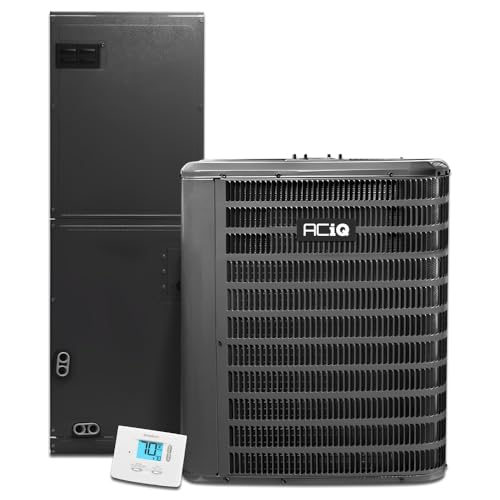
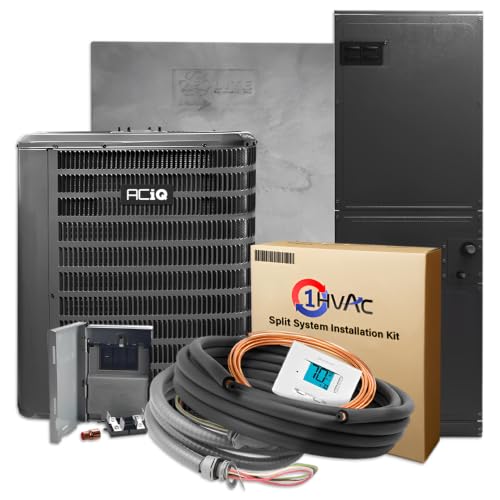
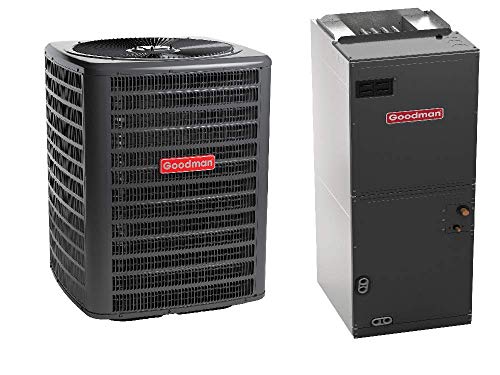
An electric split system heat pump is a two-component HVAC system that uses electricity to transfer heat between the outdoor air and your indoor living space. Unlike a traditional furnace that generates heat by burning fuel, a heat pump moves existing heat, which makes it highly efficient in both heating and cooling modes. The system is called "split" because it consists of an outdoor condenser unit and one or more indoor air handlers connected by refrigerant lines.
These systems are available in ducted configurations, where the indoor unit connects to existing ductwork, and ductless configurations, where wall-mounted air handlers deliver conditioned air directly into individual rooms. For homes without ducts, a ductless heat air conditioner configuration is often the most practical path. For homeowners comparing overall HVAC approaches, understanding the difference between heating and cooling systems is a useful starting point.
Because the same system handles both seasons, an electric split system heat pump can simplify your home's mechanical setup and reduce the number of separate appliances you need to maintain. It is an especially strong fit for new construction, major renovations, and homes replacing aging electric resistance heating.
2. How It Works
In cooling mode, the indoor air handler absorbs heat from your home's air and transfers it through refrigerant to the outdoor unit, which releases it outside. In heating mode, the process reverses: the outdoor unit extracts ambient heat from the outside air and moves it indoors. This is why heat pumps are often described as "reversible" systems.
The efficiency of this process is measured by how much heat is moved per unit of electricity consumed. Modern inverter-driven compressors modulate their speed continuously instead of cycling on and off, which improves comfort and reduces energy use. If you want a deeper technical overview, the education section covers the refrigeration cycle and component-level details.
Key components include:
- Outdoor condenser unit — contains the compressor, outdoor coil, and fan.
- Indoor air handler — contains the indoor coil and blower; may be wall-mounted, ceiling-mounted, or ducted.
- Refrigerant lines — connect the two units and carry refrigerant between them.
- Thermostat or controller — manages temperature and mode. A digital air conditioner thermostat can improve scheduling and efficiency.
3. Types of Split System Heat Pumps
The category includes several configurations, each suited to different home layouts and installation constraints.
Ductless Mini-Split Heat Pumps
These are the most common electric split system heat pumps for retrofits and homes without ductwork. One outdoor unit connects to one or more indoor wall, ceiling, or floor-mounted air handlers. For a deeper look, see the ductless heat air conditioner guide and the DIY mini-split air conditioners overview.
Ducted Split System Heat Pumps
These use an indoor air handler connected to ductwork, distributing conditioned air throughout the home. They are common in homes with existing forced-air infrastructure. For related coverage, see heating and ductwork and heating, ventilating, and air conditioning.
Multi-Zone Systems
A single outdoor unit serves multiple indoor air handlers, each with independent temperature control. This is ideal for multi-story homes or properties with rooms that have different comfort needs.
Cold-Climate Models
Designed for regions with harsh winters, these models maintain heating capacity at lower outdoor temperatures and may include vapor injection or enhanced defrost controls. Compare related options in the HVAC heat pumps section.
4. Efficiency Ratings Explained
Understanding efficiency ratings helps you compare models on a level playing field. The three most important ratings for an electric split system heat pump are SEER2 (cooling), EER2 (peak cooling), and HSPF2 (heating). Higher numbers indicate greater efficiency.
| Rating | What It Measures | Why It Matters |
|---|---|---|
| SEER2 | Seasonal cooling efficiency | Higher values mean less electricity used across a typical cooling season |
| EER2 | Peak-load cooling efficiency | Useful for hot climates where the system runs near maximum capacity |
| HSPF2 | Seasonal heating efficiency | The key metric for heating performance in cooler regions |
For additional context, see the guides on energy efficiency of an air conditioner and energy-efficient AC. If you are comparing whole-home approaches, energy-efficient heating and cooling systems for homes provides a broader perspective, and high-efficiency HVAC explains how system-level design affects real-world performance.
ENERGY STAR certification is a useful baseline. See ENERGY STAR HVAC systems and ENERGY STAR mini-split air conditioner for certification details.
5. How to Size a Heat Pump
Correct sizing is critical. An undersized unit will struggle to maintain comfort during extreme weather, while an oversized unit will cycle frequently, reducing efficiency and dehumidification. The industry-standard method is a Manual J load calculation, which factors in square footage, insulation, window area, climate zone, and occupancy.
For a step-by-step approach, see how to size an air conditioner. If you are evaluating system-level options for a specific home size, the cost of HVAC system for 1500 sq ft home and cost of HVAC system for 1000 sq ft pages provide useful framing. For ductless configurations, the cost of mini split system for 1000 sq ft page offers additional context.
As a rough starting point only — never a substitute for a professional load calculation — many contractors use a rule of thumb of 20 BTU per square foot for cooling in moderate climates, adjusted upward for sun exposure, poor insulation, and occupancy. Heating capacity should be sized separately for the coldest expected outdoor temperature.
Tip: Always request a Manual J calculation from your installer. This document protects you from oversizing and supports warranty compliance in many cases.
6. Cold-Climate Performance
Older heat pumps lost significant capacity as outdoor temperatures dropped. Modern cold-climate models have largely closed that gap. Many units maintain rated heating capacity at temperatures well below freezing, and some continue to operate in sub-zero conditions. In regions with extreme cold, a supplemental heat source or a dual-fuel configuration may still be recommended.
Key factors for cold-climate performance include:
- Vapor injection or enhanced compressor technology
- Improved defrost controls to prevent coil icing
- Base pan heaters and drainage management
- Accurate low-ambient rated capacity documentation
For related reading, see HVAC heat pumps and heat pump and condenser. If you are comparing a heat pump to a traditional furnace, heating and cooling air conditioning units and fixed home air conditioning units provide useful context.
7. Installation Considerations
Installation quality has a major impact on efficiency, reliability, and lifespan. A poorly installed system can underperform even if the equipment itself is top-tier. Before installation, confirm electrical capacity, outdoor unit placement, line-set routing, condensate drainage, and local permitting requirements.
Depending on your location, a permit may be required. See do I need permit for AC for general guidance. Choosing a qualified installer is equally important — see how to choose HVAC contractor, find HVAC contractor near me, and how to avoid AC scams.
For broader project planning, the following pages are useful references:
- cost to add air conditioning to a house
- cost to add AC to house with forced air
- cost to install new HVAC system with ductwork
- cost of installing air conditioning in house
- cost of new air conditioner and installation
If your home already has a forced-air furnace, understanding furnace for air conditioner compatibility can help you decide between a standalone heat pump and a dual-fuel setup. Also consider furnace and air conditioner replacement if you are planning a full system refresh.
8. Market Tiers and What to Expect
Electric split system heat pumps are available across a range of market tiers. The table below summarizes what generally differentiates each tier so you can match the system to your priorities.
| Tier | Typical Characteristics | Best For |
|---|---|---|
| Entry-level | Single-speed or basic inverter compressor, standard sound levels, essential features | Seasonal homes, mild climates, straightforward retrofits |
| Mid-range | Variable-speed inverter, improved sound insulation, better cold-weather performance | Primary residences in mixed climates, multi-zone setups |
| Premium | High-efficiency inverter, advanced defrost, quiet operation, smart controls | Cold climates, energy-conscious households, comfort-focused buyers |
| Flagship | Top-tier efficiency, enhanced low-ambient heating, premium build, advanced diagnostics | Harsh climates, whole-home primary systems, long-term investment |
When comparing tiers, focus on efficiency ratings, low-ambient heating capacity, sound levels, and warranty terms rather than marketing labels. A mid-range model with strong cold-climate ratings may outperform an entry-level unit in your specific climate. For related context, see energy-efficient AC, highest efficiency central air conditioner, and ENERGY STAR rated air conditioners.
9. Maintenance Best Practices
Regular maintenance preserves efficiency and extends system life. A simple seasonal routine covers most needs:
- Clean or replace indoor filters every 1–3 months, more often in dusty environments.
- Keep the outdoor unit clear of debris, leaves, and snow.
- Inspect and clean the outdoor coil annually.
- Check condensate drainage for clogs.
- Schedule professional service every 1–2 years for refrigerant charge verification and electrical inspection.
For troubleshooting, see house air conditioner running but not cooling, home AC fan working but no cold air, and heating and repair. If refrigerant issues arise, fixing freon leak central air conditioner, freon stop leak, and cost of recharging freon in home air conditioner provide relevant detail. Also review EPA refrigerant regulations for compliance requirements.
For general repair resources, see heat and air conditioning repair, heater and air conditioner repair, heating and air conditioning service companies, and HV AC contractors. If you are evaluating a replacement capacitor, cost to replace furnace capacitor is a useful reference.
Frequently Asked Questions
What is an electric split system heat pump?
It is a two-part HVAC system that uses electricity to move heat between outdoor and indoor air, providing both heating and cooling through a single outdoor condenser and one or more indoor air handlers.
Does a split system heat pump work in cold climates?
Modern cold-climate heat pumps can deliver useful heating at outdoor temperatures well below freezing, and some models continue to operate efficiently in sub-zero conditions. In extreme regions, a supplemental heat source may still be recommended.
How is a heat pump sized for a home?
Proper sizing relies on a Manual J load calculation that accounts for square footage, insulation, window area, climate zone, and occupancy. Oversizing reduces efficiency and comfort, so professional assessment is recommended.
What efficiency ratings should I compare?
Focus on SEER2 for seasonal cooling, EER2 for peak cooling, and HSPF2 for seasonal heating. Higher values indicate greater efficiency. ENERGY STAR certification is a useful baseline for comparison.
Can a heat pump replace both a furnace and an air conditioner?
Yes. An electric split system heat pump provides both heating and cooling, so it can replace both a standalone air conditioner and an electric resistance heating system. In some cases, a dual-fuel setup with a furnace may still be preferred in very cold climates.
How long does installation take?
Most single-zone ductless installations are completed in one day. Ducted systems or multi-zone configurations may take two to three days depending on site conditions, electrical work, and duct modifications.