Highest Rated Home Air Conditioning Units
Discover the top-performing AC systems trusted by homeowners. Compare types, efficiency ratings, smart features, and expert recommendations to find the perfect unit for your home.
Explore Top AC TypesWhy Ratings Matter: When searching for the highest rated home air conditioning units, real-world performance and owner satisfaction tell a deeper story than spec sheets alone. This guide breaks down what makes an AC unit earn top marks — from SEER efficiency and build quality to quiet operation and smart control compatibility — so you can make a confident, informed decision.
What Makes a Home AC Unit Earn Top Ratings?
Air conditioning units that consistently earn the highest ratings share several core characteristics. Understanding these factors helps you evaluate any model you encounter, whether you are browsing online or comparing contractor proposals.
- Energy Efficiency: Top-rated systems carry high SEER, EER, and HSPF ratings, which translate to lower electricity usage over the cooling season. ENERGY STAR certified models meet strict federal guidelines and are a reliable benchmark for efficiency.
- Durable Construction: Premium materials, rust-proof finishes, and reinforced components extend lifespan and reduce the likelihood of mid-season breakdowns. Heavy-duty compressors and weather-resistant coatings are hallmarks of well-built units.
- Quiet Operation: Nobody wants to hear the compressor from across the house. A quiet air conditioner typically features insulated compressor blankets, variable-speed fans, and vibration-dampening mounts.
- Smart Features: Wi-Fi connectivity, programmable thermostats, and compatibility with home automation systems are increasingly expected in high-end tier models. Look for units with Wi-Fi and smart control if remote management matters to you.
- Indoor Air Quality: Advanced filtration, air purifier integration, and moisture control features contribute to healthier indoor environments and higher owner satisfaction.
- Reliability Track Record: Brands with strong histories of low warranty claim rates and consistent customer feedback tend to dominate rating roundups.
Highest Rated AC Types for Home Use
The "best" air conditioning unit depends heavily on your home's layout, existing ductwork, and cooling needs. Below is a breakdown of the most common residential AC types and what makes each one a top performer in its category.
| AC Type | Best For | Key Strength | Quality Tier |
|---|---|---|---|
| Central Air Conditioning | Whole-home cooling with existing ductwork | Even temperature distribution and high efficiency in large spaces | Premium to Top-Tier |
| Ductless Mini-Split | Homes without ducts or room-by-room zoning | Flexible installation and zone-specific comfort | Mid-Range to Premium |
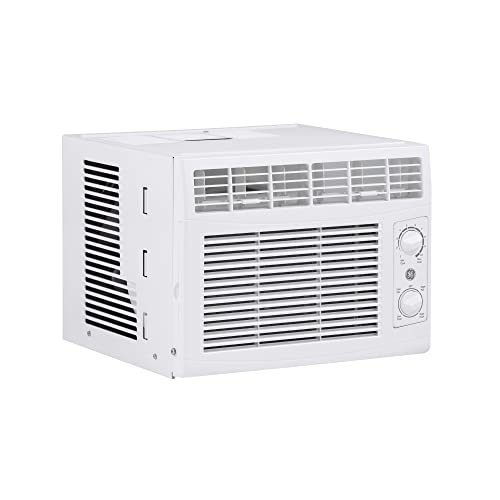
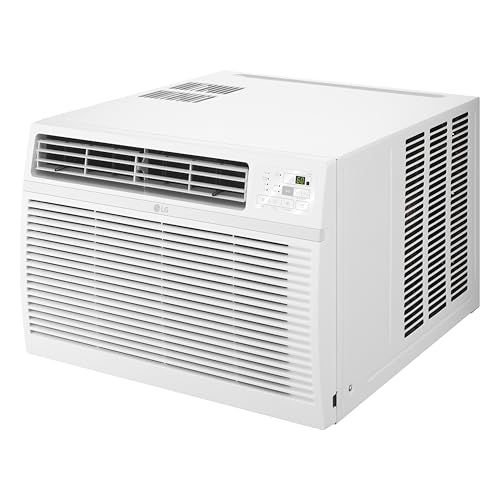
| Window AC | Single rooms, apartments, renters | Straightforward installation and immediate cooling | Entry-Level to Mid-Range |
| Portable AC | Temporary or movable cooling needs | No permanent installation required | Entry-Level to Mid-Range |
| Through-the-Wall AC | Rooms with existing wall sleeves | Secure fit and flush appearance | Mid-Range |
Entry-Level Window & Portable Units
Solid choice for single-room cooling where installation flexibility matters. These units deliver reliable performance for smaller spaces and are well-specified for their category.
Mid-Range Mini-Split & Window Systems
Offering a strong balance of efficiency, features, and durability. Inverter-driven compressors and quieter operation distinguish these from starter-tier options.
High-End Central & Ductless Systems
Feature-rich for their class with advanced filtration, smart home integration, and superior seasonal efficiency. A worthwhile investment for whole-home comfort.
Flagship Central AC & Heat Pump Systems
Professional-grade equipment with the highest efficiency ratings, variable-speed technology, and premium materials. Designed for long-term performance and minimal environmental impact.
Efficiency Ratings: The Backbone of Top-Rated Units
Efficiency ratings are among the most objective indicators of an air conditioner's quality. Here is what to look for when comparing the highest rated home air conditioning units:
- SEER (Seasonal Energy Efficiency Ratio): Measures cooling efficiency over an entire season. Higher is better. Modern high-efficiency units typically exceed 16 SEER, with top-tier models reaching well into the 20s. Learn more about SEER ratings.
- EER (Energy Efficiency Ratio): Measures efficiency at a specific outdoor temperature. Useful for comparing performance in hot climates. See our guide to EER ratings.
- HSPF (Heating Seasonal Performance Factor): Relevant for heat pump systems. Higher HSPF means more efficient heating in cooler months. Read about HSPF ratings.
- ENERGY STAR Certification: Units bearing the ENERGY STAR label meet or exceed federal efficiency standards and are independently verified.
When evaluating efficiency, consider your climate zone. A unit with a very high SEER rating may not deliver proportional savings in milder climates, while a mid-range unit with solid EER performance could be a better fit for extremely hot regions.
Key Features That Elevate AC Ratings
Beyond efficiency, the following features consistently separate top-rated units from average ones:
- Inverter Technology: Inverter AC units modulate compressor speed to maintain consistent temperatures, reducing energy consumption and wear. They are generally quieter and more efficient than non-inverter models.
- Variable-Speed Compressors: Premium systems use variable-speed technology for precise temperature control and enhanced dehumidification.
- Smart Thermostat Compatibility: Compatibility with popular smart thermostats allows scheduling, remote access, and integration with voice assistants. See our guide to AC with Wi-Fi and smart control.
- Advanced Filtration: High-quality filters, activated carbon layers, and UV purification options improve indoor air quality. Explore AC with air purifier options.
- Self-Cleaning Functions: Some premium units include self-drying cycles that inhibit mold and bacterial growth, reducing maintenance needs.
- Quiet Operation: Look for decibel ratings below 30 dB for indoor units if silence is a priority. See our list of quiet air conditioners.
How to Choose the Highest Rated AC for Your Home
Selecting the right unit involves matching ratings to your specific circumstances. Follow these steps to narrow your options:
- Determine Your Cooling Load: Use a BTU calculator by room size or consult a professional for a Manual J load calculation. An undersized unit will struggle; an oversized unit will cycle inefficiently.
- Assess Your Home's Infrastructure: If you have existing ductwork, a central system may be the most efficient choice. If not, a ductless mini-split or window unit may be more practical. Compare ductless vs ducted AC.
- Set a Quality Tier: Decide whether an essential tier, balanced tier, premium tier, or top-tier unit best fits your long-term goals. Higher tiers generally offer better efficiency, quieter operation, and longer warranties.
- Check Brand Reputation: Research AC brands and HVAC manufacturers with strong reliability records and accessible service networks.
- Review Energy Efficiency Incentives: Federal tax credits and local rebates may apply to high-efficiency installations. See our guide to HVAC tax credits and rebates.
- Plan for Installation: Proper installation is critical. Ensure your contractor follows best practices and holds proper licensing. Get quotes from multiple HVAC contractors.
Maintaining a Top-Performing AC Unit
Even the highest rated air conditioning units require regular care to sustain peak performance. Key maintenance tasks include:
- Replacing or cleaning air filters every 1–3 months depending on usage and environment.
- Cleaning condenser coils and evaporator coils annually to maintain heat transfer efficiency.
- Scheduling professional AC maintenance before each cooling season.
- Sealing air ducts to prevent cooled air loss.
- Monitoring refrigerant levels and scheduling refrigerant leak repair if performance drops.
Consistent maintenance not only preserves efficiency but also extends the lifespan of your equipment, protecting your long-term investment.
Ready to Find Your Perfect AC Unit?
Explore our curated selection of top-rated air conditioning units below. Compare features, read owner feedback, and choose the system that fits your home and lifestyle.
View Top-Rated UnitsFrequently Asked Questions
For most homes, a SEER rating of 16 or higher is considered efficient. Premium and top-tier units often exceed 20 SEER. However, the ideal rating depends on your climate, usage patterns, and the initial investment you are prepared to make. In hotter climates, higher SEER ratings deliver more noticeable savings.
Ductless mini-splits can be excellent for whole-home cooling when multiple indoor heads are installed. They offer zone control and are highly efficient. Central air, however, typically provides more uniform temperature distribution across large homes with existing ductwork. The best choice depends on your home's layout and infrastructure.
With proper installation and regular maintenance, top-rated central AC units commonly last 15–20 years. Window and portable units generally last 8–12 years. Premium-tier equipment with durable construction and high-grade components tends to reach the upper end of these ranges.
Yes. Inverter compressors adjust their speed continuously rather than cycling on and off at full power. This reduces energy consumption, maintains more consistent temperatures, and reduces wear on components. Over a full season, inverter units are generally more efficient than non-inverter models of comparable capacity.
AC sizing depends on square footage, ceiling height, insulation, window area, climate, and occupancy. A general rule of thumb is 20 BTU per square foot, but this varies significantly. Use a BTU calculator or consult a professional for a precise Manual J calculation to avoid over- or undersizing.
ENERGY STAR certified units meet strict efficiency criteria set by the U.S. Department of Energy. They generally consume less electricity than standard models and may qualify for federal tax credits or local rebates. For homeowners prioritizing long-term efficiency and environmental impact, ENERGY STAR certified models are a solid choice. See our guide to ENERGY STAR certified AC units.
Professional installation is critical. Even the highest rated home air conditioning units will underperform if improperly installed. Incorrect refrigerant charge, poor duct sealing, or inadequate electrical connections can reduce efficiency, shorten lifespan, and void warranties. Always hire a licensed and insured HVAC contractor. See our guide to choosing an HVAC contractor.