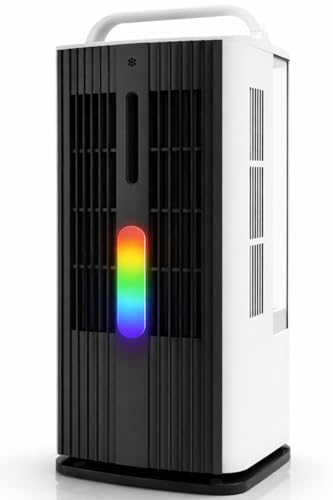
Home Air Conditioner Isn't Blowing Cold Air: Causes & Fixes
When your home air conditioner isn't blowing cold air, the problem usually comes down to airflow restriction, refrigerant issues, or a failed component. This guide walks you through the likely causes, the checks you can do yourself, and the signs that it's time to call a professional.
A home air conditioner that runs but refuses to deliver cold air is one of the most common HVAC complaints. The fan blows, the thermostat is set to cooling, yet the room stays warm. The good news is that a significant share of these cases trace back to simple, fixable issues. The better news is that understanding what happens inside the system helps you decide quickly whether to troubleshoot it yourself or hand it to a technician. This guide is written for homeowners who are researching the problem and want a clear, practical roadmap before making any decision.
How an Air Conditioner Produces Cold Air
Before diagnosing the problem, it helps to understand the sequence. An air conditioner does not create cold air from nothing; it moves heat from inside your home to the outdoors. The indoor unit draws warm room air across the evaporator coil, where refrigerant absorbs the heat. That cooled air is then pushed through the ducts or directly into the room. The refrigerant travels to the outdoor unit, where the compressor raises its pressure and the condenser coil releases the heat into the outside air. The cycle repeats continuously.
Cold air at the vents therefore depends on three things working together: unrestricted airflow across the evaporator coil, a correct and stable refrigerant charge, and a functioning compressor and blower. When any of these breaks down, the result is the familiar symptom — the unit runs, but the air coming out is not cold. If you want a broader refresher on system basics, our overview of how an air conditioner works explains the refrigerant cycle in more detail.
Common Causes When Your Home AC Isn't Blowing Cold Air
The causes below are listed roughly from the simplest and most common to the more technical. Working through them in order saves time and helps you avoid unnecessary service calls.
1. Thermostat Settings Are Incorrect
It sounds trivial, but an air conditioner set to "fan only," "heat," or "auto" with a setpoint above room temperature will run without cooling. Check that the mode is set to "cool" and that the setpoint is at least a few degrees below the current room temperature. Also confirm that the fan is set to "auto" rather than "on," because continuous fan operation can circulate uncooled air between cooling cycles. If your system uses a smart or programmable model, review our guide to the home air conditioner thermostat for scheduling and mode tips.
2. Clogged or Dirty Air Filter
A blocked filter is the single most frequent cause of reduced cooling. When the filter is loaded with dust, the blower cannot pull enough air across the evaporator coil. Less heat is absorbed, the coil gets cold but the delivered air stays warm, and in severe cases the coil freezes over. Inspect the filter monthly during peak season and replace or clean it every 30 to 90 days depending on the filter type and household conditions. If you are unsure about the interval, our article on when to replace the AC filter covers the details.
3. Blocked or Dirty Condenser Coils
The outdoor unit releases heat through the condenser coil. When leaves, grass clippings, pet hair, or a heavy layer of dust coat the coil, heat cannot escape efficiently. The system runs longer, the refrigerant pressure rises, and cooling performance drops. Clear debris from around the unit, keep at least two feet of clearance on all sides, and have the coil cleaned as part of seasonal maintenance. Our guide on cleaning condenser coils explains the safe DIY approach.
4. Frozen Evaporator Coil
If the indoor coil ices over, airflow stops almost entirely and the air feels warm because it is passing over a block of ice rather than an active cooling surface. Freezing typically points to restricted airflow (dirty filter, closed vents, weak blower) or low refrigerant. Turn the system off, let the ice melt completely, replace the filter, and reopen any closed supply vents. If the coil freezes again soon after, stop running the unit and call a technician — repeated freezing is a classic symptom of a refrigerant leak. See our detailed guide on AC frozen coils for the full procedure.
5. Low Refrigerant Charge
Refrigerant is a sealed-system component; it should never need "topping up" unless there is a leak. When the charge is low, the system cannot absorb enough heat indoors, and the air at the vents becomes lukewarm. Signs include ice on the refrigerant lines, hissing or bubbling sounds, and a system that runs constantly. Refrigerant handling is regulated and requires certification, so this is not a DIY task. Our article on refrigerant leak repair explains what a technician will typically check.
6. Compressor Problems
The compressor is the heart of the outdoor unit. If it fails to start, the indoor blower may still run, giving the impression that the system is working — but the air is not being cooled because the refrigerant cycle has stopped. A compressor that hums and trips the breaker, or that stays completely silent while the outdoor fan runs, needs professional diagnosis. Never open the electrical panel of the outdoor unit yourself; capacitors hold dangerous charges even after power is cut.
7. Faulty Blower or Fan Motor
If the indoor blower is weak or the outdoor fan motor has failed, heat exchange stalls. On the indoor side, a failing blower often produces reduced airflow and a whistling or rattling noise. On the outdoor side, a stopped fan allows the compressor to overheat and shut down on a safety switch. Both situations require a technician to test the motor, capacitor, and control board.
8. Blocked or Leaking Ductwork
Cold air can be produced perfectly at the coil yet never reach the rooms because ducts are torn, disconnected, crushed, or heavily leaking. This is especially common in attics and crawlspaces. If some rooms are cool and others are not, duct problems are a prime suspect. Sealing and balancing ductwork often restores performance without touching the refrigeration side. Our article on sealing air ducts for efficiency covers the practical steps.
9. Tripped Breaker or Electrical Fault
A dedicated circuit breaker for the outdoor unit may have tripped, leaving the indoor blower running while the condenser is dead. Check the breaker panel for a tripped breaker serving the AC. Reset it once. If it trips again immediately, stop and call an electrician or HVAC technician — repeated tripping signals a short or a failing component. If the indoor unit also has no power, check the furnace or air handler breaker as well.
10. Dirty Evaporator Coil
The indoor coil can accumulate dust over years of service, insulating the coil from the air it is supposed to cool. The result is gradually declining performance rather than sudden failure. Professional coil cleaning during annual maintenance prevents this. Our article on cleaning evaporator coils explains the process and the precautions.
DIY Troubleshooting Checklist
Use this sequence before scheduling service. It takes about fifteen minutes and resolves a large share of "no cold air" complaints.
- Confirm the thermostat mode and setpoint. Set mode to "cool," fan to "auto," and lower the setpoint several degrees below room temperature. Wait ten minutes and check the vent temperature.
- Inspect and replace the air filter. Hold it up to a light source; if you cannot see through it, replace it.
- Check all supply and return vents. Make sure furniture, curtains, or rugs are not blocking them and that no vents are closed.
- Check the outdoor unit. Confirm the fan is spinning and listen for the compressor. Clear leaves and debris around the cabinet.
- Check the breaker panel. Reset any tripped breaker serving the AC once, and only once.
- Look for ice. If you see ice on the indoor coil or refrigerant lines, turn the system off and let it thaw before running it again.
- Measure the temperature split. With a simple thermometer, compare the return air temperature to the supply air temperature after fifteen minutes of operation. A healthy system typically delivers air noticeably cooler than the room; a small or absent difference points to a refrigerant or airflow problem.
Symptoms, Likely Causes, and Recommended Action
| What You Notice | Likely Cause | Recommended Action |
|---|---|---|
| Air is warm but airflow seems normal | Low refrigerant, compressor issue, or thermostat set incorrectly | Verify thermostat first; if correct, call a technician |
| Weak airflow from vents | Clogged filter, blocked ducts, or failing blower | Replace filter, open vents, then call a technician if unresolved |
| Ice on indoor coil or lines | Restricted airflow or low refrigerant | Turn off, thaw, replace filter; call a technician if it recurs |
| Outdoor fan not spinning | Failed fan motor, capacitor, or power issue | Check breaker once; otherwise call a technician |
| System runs constantly but rooms stay warm | Undersized system, duct leaks, or refrigerant charge issue | Have a technician perform a load and charge assessment |
| Some rooms cool, others warm | Duct leaks, closed dampers, or balancing issues | Inspect and seal ducts; adjust dampers |
When to Call a Professional
Stop troubleshooting and contact a licensed technician when any of the following applies:
- Refrigerant is suspected to be low or leaking
- The compressor does not start or trips the breaker repeatedly
- Ice reappears on the coil after a full thaw and filter replacement
- You smell burning, hear loud metallic noises, or see sparks
- The outdoor unit is silent while the indoor blower runs, and the breaker is not tripped
- The system is more than a decade old and repairs are recurring
A qualified technician will measure refrigerant pressures, check superheat and subcooling, test electrical components, and verify airflow. If you are comparing repair with replacement, our guide on repair versus replacement lays out the decision framework, and our article on compressor replacement explains what that job involves. Homeowners who want to understand the full scope of a service visit can also read about when to call an HVAC technician.
Preventing Future Cooling Failures
Most "not blowing cold" incidents are preventable with a small amount of routine care. Replace filters on schedule, keep the outdoor unit clear of debris, schedule a professional tune-up each spring, and seal duct leaks as soon as you notice them. If your system is older, an energy audit can reveal whether airflow and insulation issues are compounding the problem. Our seasonal AC checklist is a practical starting point, and the AC maintenance guide covers the full annual routine. For broader home comfort topics, the home air conditioning hub collects related guides.
Homeowners dealing with related symptoms will find dedicated guides useful: AC blowing but not cold, AC running but not cooling, AC not cooling properly, and fan running but no cold air. If the issue appears to originate outdoors, see outside unit not running. When the unit has stopped entirely, the guide on a home air conditioner that stopped blowing cold air walks through the next steps. For central systems specifically, the article on a central air conditioner not blowing cold air addresses ducted layouts and zoning.
Frequently Asked Questions
Why is my home air conditioner running but not blowing cold air?
Common causes include a dirty air filter, blocked condenser coils, low refrigerant levels, a malfunctioning compressor, or a faulty thermostat. Start by checking the air filter and thermostat settings before calling a technician.
Can I fix an AC that isn't blowing cold air myself?
You can resolve some issues like a clogged filter, tripped breaker, or incorrect thermostat setting. However, refrigerant leaks, compressor failure, and electrical faults require a licensed HVAC technician.
How often should I replace my AC filter to prevent cooling problems?
Replace or clean your filter every 30 to 90 days depending on usage and filter type. A clogged filter restricts airflow and is one of the most common reasons an AC stops blowing cold air.
When should I call a professional for an AC not cooling?
Call a professional if basic troubleshooting does not restore cold airflow, if you suspect a refrigerant leak, hear unusual noises, or if the outdoor unit does not turn on. These signs often indicate issues that need expert diagnosis.
Can a dirty filter really stop an AC from cooling?
Yes. A severely clogged filter restricts airflow across the evaporator coil, reducing heat absorption and, in many cases, causing the coil to freeze. Replacing the filter is the fastest and most common fix for warm airflow.
Does a refrigerant leak always mean an expensive repair?
Not always, but leaks must be located and repaired before recharging. The outcome depends on where the leak is and the age of the system. A technician can pressure-test the system and advise whether repair or replacement makes more sense for your equipment.
Choosing a Replacement When Repair No Longer Makes Sense
If your system is aging, repeatedly losing its charge, or facing a compressor replacement on top of other wear, replacement may be the more sensible path. When you start comparing options, focus on efficiency ratings, correct sizing for your home, and installation quality rather than headline features. Our guides on SEER ratings and how to size an air conditioner explain the two factors that matter most. If you are exploring system types, the comparison of ductless versus ducted AC is a useful starting point, and the overview of home air conditioner replacement covers the process from assessment to commissioning. For homes without existing ductwork, ductless heating and air conditioning units are worth reviewing, while homes with ducts can compare conventional heating and air conditioning units.
Still Not Getting Cold Air?
Review the recommended air conditioners below to compare system types, efficiency classes, and features — then decide whether repair or replacement is the right next step for your home.
View Recommended Units