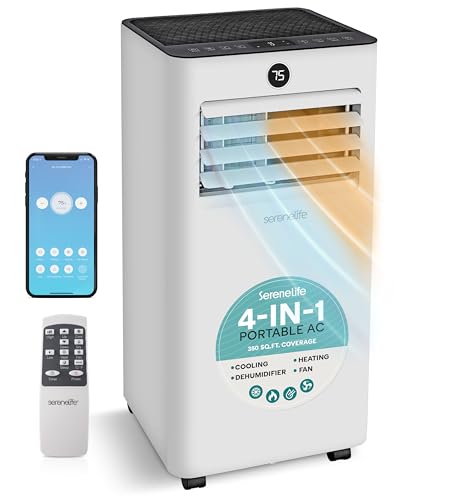
Heating and Air Conditioning Units: The Complete Buyer's Guide
Understand every system type, sizing method, efficiency rating, and installation consideration before you invest in a home comfort system.
START WITH SYSTEM TYPESWhy this guide matters: A heating and air conditioning unit is one of the largest equipment investments in any home. Choosing the wrong type, capacity, or efficiency tier leads to uneven comfort, higher energy use, and premature equipment failure. This guide walks you through every decision point so you can evaluate quotes and specifications with confidence.
Heating and air conditioning units are the backbone of indoor comfort across every climate zone. Whether you are replacing an aging system, outfitting a new build, or upgrading to a more efficient configuration, the options can feel overwhelming. Modern systems range from entry-level single-stage units to premium variable-speed heat pumps, each with distinct strengths for different homes and budgets. The sections below break down what matters most: system types, capacity sizing, efficiency metrics, component anatomy, installation planning, and long-term maintenance. By the end, you should be ready to compare contractor proposals on equal footing and select the right configuration for your space.
For a broader overview of the category itself, start with our heating and air conditioning hub, which connects to related topics like thermostats, duct cleaning, and contractor selection.
1. Types of Heating and Air Conditioning Units
Not all systems work the same way. The table below summarizes the four most common configurations, their best-use scenarios, and the quality tier where each type typically lands.
| System Type | How It Works | Best For | Typical Tier |
|---|---|---|---|
| Split System (Central) | Outdoor condenser paired with an indoor air handler or furnace, connected via refrigerant lines and ductwork. | Homes with existing ductwork, whole-house comfort. | Mid-range to Premium |
| Heat Pump | Reverses the refrigerant cycle to provide both heating and cooling from a single outdoor unit. | Moderate climates, homes seeking one system for year-round comfort. | Mid-range to Premium |
| Ductless Mini-Split | One or more indoor wall, floor, or ceiling heads connected to an outdoor compressor, no ductwork required. | Homes without ducts, room additions, zoned comfort. | Premium to Flagship |
| Packaged Unit | All components (compressor, condenser, evaporator, blower) housed in a single outdoor cabinet. | Roof-space installations, smaller homes, mobile homes. | Entry-level to Mid-range |
| Window / Through-the-Wall | Self-contained unit installed in a window frame or wall sleeve. | Single rooms, apartments, temporary solutions. | Entry-level to Mid-range |
Split Systems and Combined Configurations
Split systems remain the most common configuration in North American homes because they leverage existing ductwork and distribute conditioned air evenly across multiple rooms. A combined system pairs a gas furnace or electric air handler with a cooling coil, giving homeowners independent heating and cooling components. If you are weighing whether to keep separate components or consolidate into one outdoor unit, our guide on combined heating and air conditioning units explains the trade-offs in detail.
Ductless and Wall-Mounted Configurations
Ductless systems are ideal when ductwork is absent, impractical, or cost-prohibitive to install. They also shine in zoned applications where individual room control matters more than whole-house uniformity. Our ductless heating and air conditioning units overview covers multi-zone configurations, line-set routing, and condensate management. For homeowners who prefer a sleeker indoor profile, wall-mounted heating and air conditioning units describe high-wall and low-wall head options in detail. Another hybrid worth exploring is the heating and air split unit, which combines a wall-mounted indoor head with a compact outdoor compressor.
Specialty and Space-Constrained Configurations
Mobile homes, small houses, and individual rooms often call for different equipment. Packaged units and ducted mini-splits work well in manufactured housing; see our dedicated page on heating and air conditioning units for mobile homes for sizing and installation nuances. For room-by-room comfort without central ductwork, explore heating and cooling units for individual rooms and heating and cooling options for small homes.
2. Sizing and Capacity: Getting the Calculation Right
Capacity is expressed in BTUs per hour (BTU/h) for heating and tons for cooling (one ton equals 12,000 BTU/h). Getting the number right is arguably the most important decision in the entire buying process. An undersized system runs continuously without reaching the thermostat setpoint, while an oversized system short-cycles, creating humidity swings and unnecessary wear on the compressor.
Manual J Load Calculation
The industry-standard method for sizing residential HVAC equipment. It accounts for square footage, ceiling height, insulation values, window area and orientation, air infiltration, and local climate data.
Rule-of-Thumb Estimates
Rough figures like 20 BTU per square foot exist, but they ignore climate, insulation, and occupancy. Use them only for a sanity check, never as the basis for a purchase.
Manual S and Manual D
Manual S matches equipment capacity to the load calculation. Manual D designs the duct system so the selected unit actually delivers its rated airflow to each room.
Climate Adjustments
Homes in hot-humid zones need careful latent-capacity attention, while cold climates require heating capacity that holds up at design temperature. Local climate data is non-negotiable.
If you want a hands-on walkthrough of the calculation process, our guides on how to size an air conditioner and the BTU calculator by room size provide step-by-step methods. For whole-home projects, the AC sizing for whole home reference explains how to scale the calculation across multiple zones.
3. Efficiency Ratings Explained
Efficiency ratings tell you how much comfort you get per unit of energy consumed. Since heating and air conditioning units run for years, the efficiency tier you select has a compounding effect on operating performance. The main metrics are:
- SEER2 — Seasonal Energy Efficiency Ratio, version 2. Measures cooling efficiency across a simulated season. Higher is better; regional minimums vary.
- EER2 — Energy Efficiency Ratio, version 2. Measures efficiency at a single peak-temperature condition. Useful for hot-climate comparisons.
- HSPF2 — Heating Seasonal Performance Factor, version 2. Applies to heat pumps; measures heating efficiency across a heating season.
- AFUE — Annual Fuel Utilization Efficiency. Applies to furnaces; the percentage of fuel converted into usable heat.
The DOE updated its minimum efficiency standards in recent years, and the current thresholds differ by region. To understand the latest requirements and how they affect your purchase, read our breakdown of SEER vs SEER2 and DOE standards. For a definition-level primer, see what is a SEER rating and what is an HSPF rating.
Efficiency tier guidance: Entry-level units typically meet regional minimums. Mid-range models add two-stage or scroll compressors and improved coil designs. Premium and flagship tiers introduce variable-speed inverter compressors, communicating controls, and advanced humidity management. Higher tiers generally deliver steadier temperatures and quieter operation, but the incremental benefit depends on your climate, duct quality, and how long you plan to stay in the home.
4. Anatomy of a Heating and Air Conditioning Unit
Understanding the major components helps you evaluate specifications and ask better questions during contractor visits. A typical split system includes:
- Compressor — The heart of the cooling cycle; compresses refrigerant and drives the heat-transfer loop. Inverter-driven compressors modulate speed for precise capacity control.
- Condenser Coil — Rejects heat to the outdoors. Located in the outdoor unit; requires periodic cleaning to maintain efficiency.
- Evaporator Coil — Absorbs heat from indoor air. Located in the air handler or above the furnace; must be matched to the outdoor unit for rated efficiency.
- Expansion Valve — Meters refrigerant flow into the evaporator. Thermostatic and electronic expansion valves improve part-load performance.
- Air Handler / Blower — Circulates conditioned air through the ductwork. Variable-speed blowers improve humidity control and reduce noise.
- Furnace / Heat Source — Gas, electric, or heat-pump based. The heating side determines winter performance and fuel type.
- Thermostat and Controls — The user interface and scheduling layer. Smart thermostats add remote access, learning schedules, and energy reporting.
The thermostat deserves special attention because it is the component you interact with daily. Our heating and air conditioning thermostat guide covers programmable, smart, and zoning-capable models, while the heating and cooling thermostat page compares compatibility across system types.
5. Installation Planning and Site Considerations
Even a well-specified system underperforms if installation is rushed or poorly planned. Before signing a contract, confirm the following:
- Load calculation and equipment selection — Request a documented Manual J calculation and a Manual S equipment match. Avoid contractors who size purely by square footage.
- Duct assessment — Existing ducts should be inspected for leaks, undersized runs, and insulation gaps. Duct sealing is often the highest-return improvement you can make alongside a new unit.
- Electrical and refrigerant line review — Verify panel capacity, breaker sizing, and line-set length. Long line sets require adjustments to refrigerant charge.
- Outdoor unit placement — Clearance for airflow, shade where possible, and a stable pad. Avoid enclosed spaces that recirculate hot air.
- Permits and inspections — Most jurisdictions require a mechanical permit. Confirm the contractor pulls it and schedules the final inspection.
- Commissioning and handover — Ask for airflow measurements, refrigerant charge verification, and a walkthrough of the thermostat and filter schedule.
For homes without existing ductwork, the installation path diverges significantly. Our guide on heating options for a house without ductwork compares ductless, high-velocity, and baseboard alternatives. If you are evaluating high-velocity mini-duct systems specifically, see high velocity mini duct system and high velocity air conditioning installation.
Contractor selection is equally important. Our resources on heating and air contractors in my area and heating and cooling companies in my area explain how to screen licenses, insurance, and warranties. For a detailed checklist, see how to choose an HVAC contractor.
6. Maintenance and Long-Term Performance
A heating and air conditioning unit is a long-term investment, and routine maintenance is what protects that investment. The essentials include:
- Filter changes — Every one to three months depending on occupancy and filter type. A clogged filter strains the blower and reduces airflow. See when to replace an AC filter.
- Coil cleaning — Outdoor condenser coils collect debris; indoor evaporator coils can develop biofilm. Both degrade capacity and efficiency when fouled.
- Duct cleaning and sealing — Leaky ducts waste conditioned air. Our heating and air duct cleaning and home duct cleaning services pages explain when professional service is warranted.
- Annual professional service — A spring cooling tune-up and a fall heating check catch small issues before they become failures. See heating and cooling service for what a proper visit includes.
- Refrigerant charge verification — Charge that drifts from factory specification reduces efficiency and can damage the compressor over time.
When repairs become frequent, replacement planning takes over. Our guides on heating unit replacement and home air conditioner replacement cover the decision framework and what to expect during the transition. For a side-by-side look at repair versus replacement, see replace vs repair.
7. Common Problems and Troubleshooting Pointers
Before calling for service, a few checks can resolve common complaints:
- System runs but doesn't cool — Check the filter, thermostat mode, and outdoor unit for tripped breakers. If the outdoor unit is silent, the issue may be electrical or compressor-related. See outside unit not running.
- Warm air from vents in cooling mode — Confirm the thermostat is set to cool and the reversing valve (heat pumps) is functioning. Our AC turns on but no cold air guide walks through the diagnostic sequence.
- Weak airflow — Often a filter or duct issue. If airflow is weak in some rooms only, the duct design may be imbalanced.
- Frequent cycling — Can indicate oversized equipment, a failing thermostat, or refrigerant issues. Short cycling accelerates wear and should be diagnosed promptly.
- Unusual noises — Grinding, squealing, or rattling warrants immediate attention. See AC making noise.
- Water leaks — Condensate drain clogs are the most common cause. Our AC leaking water guide covers the fixes.
8. Market Landscape: Matching Tiers to Your Priorities
Heating and air conditioning units are commonly grouped into four broad tiers. The right tier depends on your climate severity, how long you plan to stay in the home, and how much you value quiet operation and precise temperature control.
| Tier | Typical Characteristics | Best For | Trade-off |
|---|---|---|---|
| Entry-level | Single-stage compressor, standard PSC blower, meets regional minimum efficiency. | Rental properties, budget-sensitive replacements, mild climates. | More temperature swing, louder operation, higher running energy use. |
| Mid-range | Two-stage or scroll compressor, ECM blower, above-minimum SEER2/HSPF2. | Owner-occupied homes, moderate climates, balanced priorities. | Some efficiency left on the table compared to premium tiers. |
| Premium | Variable-speed inverter compressor, communicating controls, enhanced humidity management. | Hot-humid or cold climates, long-term ownership, comfort-focused buyers. | Higher upfront equipment tier, more complex service requirements. |
| Flagship | Fully modulating capacity, top-efficiency ratings, advanced diagnostics, quiet outdoor operation. | High-performance homes, premium comfort expectations, extended warranties. | Highest equipment tier; benefits most visible in demanding climates. |
If you are comparing specific options, our heating and air conditioning units listing page organizes models by type and tier. For broader context on system-level choices, see heating and air units and heating and cooling split system.
9. Evaluating Quotes and Contractors
A proper proposal should include the equipment model numbers, capacity, efficiency ratings, scope of work, duct modifications, permit responsibility, warranty terms, and a commissioning checklist. Be wary of quotes that specify only a tonnage and a brand name without model numbers — that usually signals a placeholder bid.
Our contractor-focused pages provide more detail: heating contractors, heating companies, and heating and cooling repair companies. For service-specific needs, see heating and cooling repair in my area and heating and air in my area.
Frequently Asked Questions
What is the difference between a heat pump and a traditional heating and air conditioning unit?
A traditional split system uses a furnace for heating and an air conditioner for cooling, while a heat pump handles both functions with a single outdoor unit by reversing the refrigerant cycle. Heat pumps are generally more energy efficient in moderate climates and can reduce reliance on fossil fuels, but they may need a supplemental heat source in extremely cold regions.
How do I choose the right size heating and air conditioning unit for my home?
Proper sizing requires a Manual J load calculation that accounts for square footage, insulation, window area, climate zone, and occupancy. An undersized unit struggles to maintain comfort, while an oversized unit cycles too frequently and wastes energy. Ask your contractor for the load calculation document before approving equipment selection.
What SEER2 rating should I look for in a new HVAC system?
The minimum SEER2 requirement varies by region, but higher ratings indicate greater cooling efficiency. In warmer climate zones, aim for a SEER2 rating at or above the regional minimum to maximize long-term energy performance. Premium and flagship tiers typically exceed minimums by a meaningful margin.
How long does a typical heating and air conditioning unit last?
Most well-maintained central HVAC systems last 15 to 20 years. Heat pumps typically last 12 to 15 years, while furnaces can last 20 years or more with regular servicing. Maintenance history and installation quality are the two biggest factors influencing lifespan.
Can I replace just the outdoor unit of my heating and air conditioning system?
While possible in some cases, mismatching a new outdoor unit with an older indoor coil can reduce efficiency, void warranties, and shorten equipment lifespan. Replacing both components together is generally recommended to preserve rated performance and maintain warranty coverage.
What is the difference between ducted and ductless heating and air conditioning units?
Ducted systems distribute conditioned air through a network of ducts, providing uniform whole-house comfort. Ductless systems deliver air directly from indoor wall, floor, or ceiling heads, which is advantageous for homes without ductwork, additions, and zoned comfort. Ductless systems avoid duct losses but require separate heads for each zone.
How often should heating and air conditioning units be serviced?
Professional servicing is recommended twice per year: once in spring for the cooling season and once in fall for the heating season. Between visits, homeowners should replace filters every one to three months and keep the outdoor unit clear of debris.
Final Takeaway
Choosing heating and air conditioning units is a sequence of linked decisions: system type, capacity, efficiency tier, component quality, and installation quality. No single decision determines satisfaction; it is the combination that matters. Start with a credible load calculation, select equipment that matches your climate and comfort expectations, and insist on a thorough installation and commissioning process. A well-chosen and properly installed system will deliver reliable comfort for a decade and a half or more.
For the broader category view, return to our heating and air conditioning page, or explore related topics like heating and air, heating and cooling, and heating and cooling unit planning considerations.