New Central Air System: What Shapes the Investment
Planning a central air system means understanding the variables that affect the overall project scope — from equipment tier and home size to installation complexity and long-term efficiency. This guide helps you evaluate each factor before you commit.
EXPLORE THE GUIDEWhy this matters: A central air system is one of the largest home comfort investments you will make. Understanding the structure of that investment — not just a single figure — allows you to compare proposals fairly, prioritize features that matter to you, and avoid surprises during installation.
The Big Picture: What a Central Air System Involves
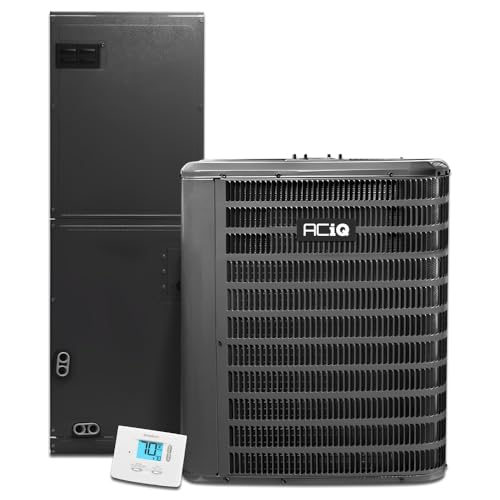
A complete central air system is more than a condenser sitting outside. It typically includes an outdoor condenser unit, an indoor evaporator coil (often paired with a furnace or air handler), refrigerant lines, ductwork distribution, a thermostat, electrical connections, and proper commissioning. Each of these components contributes to the total project scope. When you review a proposal, look for line items covering equipment, labor, duct modifications, electrical work, permits, and disposal of old equipment. A well-structured quote reflects all of these elements, which is why two quotes for the same home can differ significantly.
The equipment itself is categorized by capacity (measured in tons), efficiency (SEER2 rating), and compressor technology (single-stage, two-stage, or variable-speed). Higher-tier equipment often delivers quieter operation, more consistent temperatures, and better humidity control, but the installed system performance also depends heavily on proper sizing and duct design. If you are still deciding between system types, our AC types overview can help you frame the comparison.
Equipment Tiers and What They Represent
Rather than focusing on a single figure, it helps to think in terms of market tiers. The descriptors below are used consistently throughout this guide to compare relative positioning, not absolute numbers.
Essential Tier
Single-stage compressors, standard efficiency ratings, and basic thermostat compatibility. These systems are well-suited for mild climates and homeowners who prioritize simplicity and straightforward maintenance. They are competitive within their class for basic cooling needs.
Balanced Tier
Two-stage or communicating compressors, higher efficiency ratings, and improved humidity control. This tier often represents the sweet spot for many households, offering quieter operation and more consistent comfort without the complexity of flagship technology.
High-End Tier
Variable-speed compressors, top-tier efficiency, advanced filtration compatibility, and smart thermostat integration. These systems are designed for households that want precise temperature control, low sound levels, and long-term energy performance.
When comparing proposals, ask your contractor to explain which tier each quoted system belongs to and how that tier aligns with your home's layout, climate, and usage patterns. A mid-tier system installed with excellent ductwork often outperforms a high-end system installed poorly. For broader context on efficiency, see our guide to energy-efficient HVAC systems.
Key Factors That Influence the Project Scope
Home Size and Layout
Square footage, ceiling height, number of windows, insulation quality, and zoning requirements all affect the required capacity and duct design. A home that needs extensive duct modification will have a larger project scope than one with existing, well-sealed ductwork.
Existing Ductwork Condition
If your home already has ductwork, an inspection determines whether it can be reused. Sealing leaks, resizing runs, or adding returns can add labor hours. Homes without ducts may require a different system type altogether, such as a ductless option.
Electrical and Structural Work
Newer high-efficiency systems may require dedicated circuits, updated panels, or a different disconnect. Structural modifications — such as a new platform for the air handler or a concrete pad for the condenser — are separate line items.
Efficiency Tier and Features
Higher SEER2 ratings and variable-speed technology generally place a system in a higher market tier. Smart thermostat compatibility, advanced filtration, and zoning controls also contribute to the overall configuration and installation complexity.
Labor and Local Requirements
Permit requirements, inspection fees, and local labor rates vary by region. Complex installations — such as attic air handlers, long line sets, or rooftop units — involve more specialized labor and equipment.
System Add-Ons
Air purifiers, whole-house humidifiers, UV lamps, and zoning dampers are often added during installation. While each add-on has its own place in the project, they should be evaluated separately from the core system.
Comparing System Configurations
The table below uses tier-based descriptors to help you compare configurations. It intentionally avoids absolute figures because project scope varies by home and region.
| Configuration | Tier | Best For | Key Consideration |
|---|---|---|---|
| Single-stage condenser + standard coil | Entry-level | Mild climates, straightforward layouts | Simpler maintenance; less precise humidity control |
| Two-stage condenser + matched coil | Mid-range | Most households seeking balanced comfort | Quieter operation; better part-load efficiency |
| Variable-speed condenser + communicating air handler | Premium | Households prioritizing precision and quiet operation | Highest comfort potential; requires compatible controls |
| Heat pump + air handler (cooling and heating) | Mid-range to premium | Year-round comfort in moderate climates | Dual-purpose system; efficiency depends on climate zone |
| Ductless mini-split (no ductwork) | Mid-range to premium | Homes without ducts or with room-specific needs | Zone-based comfort; separate from central ducted systems |
If your home lacks ductwork, a ductless mini-split configuration may be more practical than retrofitting a full duct system. Conversely, homes with existing ducts often find that updating the condenser and coil while sealing the ductwork delivers strong results.
Efficiency Ratings and Long-Term Value
SEER2 is the current efficiency metric for central air systems. Higher ratings indicate greater efficiency under standardized test conditions, but real-world performance depends on installation quality, duct sealing, refrigerant charge, and thermostat habits. A mid-tier system with a high SEER2 rating, installed correctly, can be a long-term investment that reduces energy use over its service life. To understand how efficiency ratings compare, see our explainer on highest-SEER air conditioners.
It is also worth considering maintenance planning. Annual service, filter changes, and coil cleaning preserve efficiency. Our guide to annual AC service outlines what a typical maintenance plan includes. Homeowners who plan for upkeep often find their systems remain closer to rated efficiency for longer.
How to Evaluate Installation Proposals
When reviewing contractor proposals, compare them line by line rather than by a single summary figure. Look for: equipment model numbers and tier classification, ductwork scope (sealing, resizing, or new runs), electrical work, permit handling, thermostat compatibility, warranty terms, and commissioning steps. Ask whether a load calculation was performed, and request the report. A proper load calculation ensures the system is sized for your home, which directly affects comfort and efficiency.
Our guide to AC installation estimates explains how to read a proposal and what questions to ask. You can also review central air conditioner brands to understand how manufacturers position their product lines across tiers.
Maintenance and Replacement Planning
A central air system is a long-term investment. Regular maintenance — filter changes every one to three months, annual professional tune-ups, and prompt attention to unusual noises or reduced cooling — helps extend service life. If your existing system is nearing the end of its service life, planning a replacement before a failure gives you time to compare proposals and choose the configuration that fits your home. For repair versus replacement considerations, see our central air repair overview.
If you notice reduced cooling performance, our troubleshooting guides on central air not blowing cold air and AC not cooling the house can help you distinguish between maintenance issues and system-level problems that warrant a professional evaluation.
Frequently Asked Questions
How do I compare quotes from different contractors?
Compare equipment model numbers, tier classification, ductwork scope, electrical work, permits, and warranty terms line by line. Ask each contractor whether a load calculation was performed and request the report. A detailed proposal is easier to evaluate than a single summary figure.
Does a higher-tier system always mean better comfort?
Not automatically. Installation quality, proper sizing, and duct performance strongly influence comfort. A mid-tier system installed with excellent ductwork can outperform a high-end system installed poorly. Focus on the complete system, not just the outdoor unit.
What if my home has no existing ductwork?
You have options: retrofit ductwork, use a ductless mini-split system, or consider a high-velocity small-duct system. Each approach has different installation requirements and comfort characteristics. A load calculation and site evaluation will help determine the best fit.
How long does a central air system typically last?
With proper maintenance, central air systems commonly provide 10 to 15 years of service, though this varies by climate, usage, and installation quality. Planning for replacement before a failure gives you time to compare configurations and proposals.
Should I replace the furnace at the same time?
If the furnace is aging or the air handler is incompatible with the new condenser, replacing both at once can be more practical than staged replacement. A contractor can evaluate the condition of existing heating equipment and advise on compatibility.
For homeowners comparing system types, our different types of air conditioning systems guide provides a broader overview. If you are evaluating specific capacity ranges, see our resources on 3-ton central air conditioning units and central air for larger homes for context on how system sizing aligns with home size.