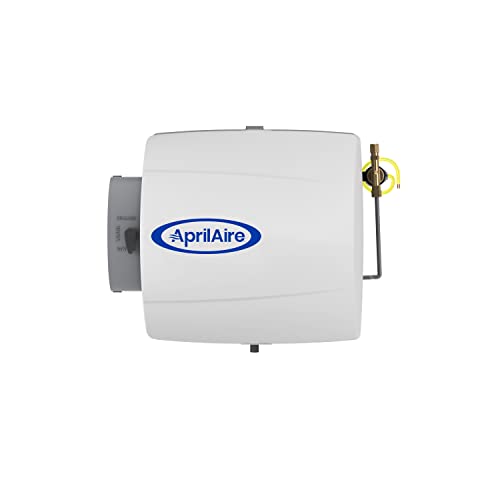
Humidifier for AC Unit: Complete Guide
Understand how a humidifier integrates with your air conditioning system, why balanced indoor humidity matters, and how to choose the right whole-home solution for comfort, health, and long-term reliability.
Explore the GuideQuick overview: Air conditioners cool and dry the air as part of normal operation. In homes that feel overly dry during cooling season, a humidifier for the AC unit restores moisture to a comfortable range. This guide covers how these systems work, the main types available, sizing principles, maintenance expectations, and the buying criteria that matter most.
How a Humidifier Works with an AC Unit
An air conditioner does two things at once: it lowers the temperature of the air and removes moisture through condensation on the evaporator coil. That dehumidifying effect is welcome in humid climates, but in dry regions or during long cooling cycles, it can pull indoor humidity below the comfort range of roughly 30 to 50 percent. A humidifier for the AC unit adds moisture back into the conditioned air stream so the system delivers balanced air instead of excessively dry air.
Most whole-home humidifiers are not attached to the outdoor condenser. Instead, they are mounted on the supply plenum or return duct of the furnace or air handler, which shares the same ductwork as the air conditioner. When the blower runs, air passes through or near the humidifier's water panel or steam canister and picks up moisture before being distributed through the home. This design keeps installation clean and lets the same duct system serve both heating and cooling seasons.
Understanding the refrigeration cycle helps clarify why humidity drops during cooling. If you want a deeper technical explanation, the guide on how an air conditioner works walks through the evaporator coil, refrigerant flow, and condensate removal step by step.
Why Balanced Humidity Matters
- Comfort: Air that is too dry can cause dry skin, irritated eyes, and static shocks, while air that is too humid feels clammy and forces the AC to work harder.
- Respiratory health: Moderate humidity supports mucous membrane function and can reduce irritation during heating and cooling seasons.
- Home materials: Wood flooring, cabinetry, and musical instruments are sensitive to swings in humidity; a stable range reduces cracking and warping.
- Energy balance: Proper humidity allows you to feel comfortable at a slightly higher cooling set point, which supports efficient operation over time.
Main Types of Humidifiers for AC Systems
Whole-home humidifiers fall into a few established categories. Each has a distinct installation profile, maintenance rhythm, and performance envelope, so the right choice depends on your climate, duct layout, and how precisely you want to control humidity.
Bypass Humidifier
A simple, dependable design that routes warm supply air through a water panel and back into the return duct. It relies on the furnace blower and has few moving parts, making it a solid choice for straightforward installations.
Fan-Powered Humidifier
Adds a small fan to push air through the water panel independently of duct pressure. This improves output in tighter duct systems and gives more consistent performance across different home layouts.
Steam Humidifier
Boils water to create vapor and injects it directly into the duct stream. It offers the highest and most precise output, works without relying on furnace heat, and is well suited to larger homes or very dry climates.
Entry-level bypass models are mechanically simple and easy to maintain, while mid-range fan-powered units improve distribution in challenging duct runs. Premium steam humidifiers deliver the most controllable humidity and can operate independently of heating demand, which makes them a strong fit for homes that need year-round moisture management. For a broader look at whole-home humidity strategy, the house humidification reference covers how these systems fit into a complete indoor air quality plan.
Comparison at a Glance
| Tier | Category | Best For | Maintenance Rhythm |
|---|---|---|---|
| Essential Tier | Bypass humidifier | Standard duct layouts and moderate dry seasons | Water panel replacement each season |
| Balanced Tier | Fan-powered humidifier | Tighter ducts and homes needing steadier output | Panel replacement plus annual fan inspection |
| Top-Tier | Steam humidifier | Large homes, very dry climates, precise control | Periodic descaling and canister service |
Sizing and Installation Considerations
Sizing a humidifier is about matching moisture output to the volume of air your system conditions, not about picking the largest unit available. A unit that is undersized will struggle to hold the target humidity on cold, dry days, while an oversized unit can overshoot and create condensation on windows and exterior walls.
- Home volume: Square footage and ceiling height determine the total air volume the humidifier must treat.
- Envelope tightness: Air sealing and insulation reduce moisture loss, so a well-sealed home may need less capacity than an older, drafty one.
- Climate severity: Colder, drier winters generally call for higher output, which often points toward fan-powered or steam models.
- Duct configuration: Bypass models need adequate supply-to-return pressure differential; fan-powered units are more forgiving in restrictive duct systems.
- Water quality: Hard water accelerates mineral buildup on water panels and steam canisters, so plan for filtration or more frequent service.
If you are also evaluating how your cooling equipment is set up, the overview of HVAC units provides useful context on how air handlers, furnaces, and condensers work together as one system.
Common Humidity Problems and How a Humidifier Helps
Humidity complaints usually fall into two camps: air that feels too dry, and air that feels too damp. A humidifier addresses the first category, but it is important to diagnose the actual issue before adding equipment. The guide on how to tell the humidity in your house explains practical ways to measure relative humidity with inexpensive tools.
- Dry air in heating season: A humidifier restores moisture and reduces static, dry skin, and cracked wood.
- Dry air during cooling: In arid climates, an AC can over-dry the air; a humidifier corrects the imbalance when configured properly.
- Excess humidity: This is the opposite problem and calls for better ventilation or dehumidification, not a humidifier. The reference on how to reduce humidity without a dehumidifier covers passive and mechanical strategies.
If your home feels sticky rather than dry, the correct next step is to review the guidance on how to lower humidity in a room before considering humidification equipment.
Maintenance and Longevity
Humidifiers are low-maintenance compared with major HVAC components, but they are not maintenance-free. Mineral scale, biological growth on water panels, and clogged drain lines are the most common causes of reduced performance. A simple seasonal routine keeps output consistent and extends the service life of the unit.
- Water panel or pad: Replace at least once per cooling or heating season, more often with hard water.
- Solenoid valve and water line: Inspect annually for mineral buildup and leaks.
- Drain line: Flush to prevent algae and sediment clogs that can cause overflow.
- Humidity controller: Verify the set point and calibration each season so the unit responds accurately.
- Steam canister: Descale or replace according to the manufacturer's interval to maintain output.
For readers thinking about the full picture of system lifespan, the guide on how long an AC lasts explains how maintenance habits and component quality influence the service life of the broader HVAC system.
What to Look for When Choosing a Humidifier for Your AC Unit
Because product listings emphasize different features, it helps to prioritize the criteria that actually affect daily performance. The checklist below reflects the factors HVAC professionals weigh most heavily when specifying whole-home humidifiers.
- Capacity match: Confirm the unit's rated output aligns with your home volume and climate severity.
- Control compatibility: Look for a humidity controller that integrates cleanly with your existing HVAC controls.
- Build quality: Durable construction and corrosion-resistant components matter in humid environments.
- Service access: Easy access to the water panel and drain simplifies routine maintenance.
- Water treatment options: Filters or scale-control accessories help in areas with hard water.
- Warranty coverage: A clear warranty on the humidifier body and controls protects your long-term investment.
The overview of humidifier and air conditioner integration expands on how these criteria apply across different system configurations and home types.
Frequently Asked Questions
Does an air conditioner need a humidifier?
An air conditioner does not require a humidifier to cool effectively. However, in dry climates or during long cooling cycles, the AC can reduce indoor humidity below comfortable levels. Adding a humidifier restores balance and improves comfort, but homes in humid climates typically do not need one.
Where is a humidifier installed on an AC system?
Most whole-home humidifiers are installed on the supply plenum or ductwork of the furnace or air handler, not on the outdoor condenser. Bypass and fan-powered models use the duct system to distribute moisture, while steam models inject vapor directly into the air stream.
What indoor humidity level should I target?
The widely accepted range for indoor comfort and health is 30 to 50 percent relative humidity. In colder months, keep the setting lower, around 30 to 40 percent, to prevent condensation on windows and interior surfaces.
Can a humidifier run at the same time as the air conditioner?
Yes, but in most setups the humidifier only activates when the blower runs and humidity drops below the set point. During heavy cooling in humid climates, running a humidifier is counterproductive, so most systems are configured to operate only in heating mode or when needed.
How often does a whole-house humidifier need maintenance?
Plan on replacing the water panel or pad at least once per season, and inspect the drain, solenoid valve, and water line annually. Steam humidifiers need periodic descaling. Following the manufacturer's maintenance schedule keeps output steady and prevents mineral buildup.
Is a whole-house humidifier better than a portable one?
For consistent, room-to-room humidity, a whole-home humidifier integrated with the HVAC system is generally more effective than portable units. Portable humidifiers are useful for single rooms but require frequent refilling and can struggle to maintain humidity across a larger floor plan.
⚠️ AFFILIATE DISCLOSURE: This website contains affiliate links. As an Amazon Associate, we earn from qualifying purchases. If you make a purchase through these links, we may receive a small commission at no additional cost to you. Read our full affiliate policy.