HVAC Condensers: The Complete Guide to Condenser Units
Understand how condensers work, compare condenser types, learn sizing and maintenance best practices, and confidently choose the right condenser unit for reliable, efficient home cooling.
START LEARNINGWhy this guide matters: The condenser is the workhorse of any split cooling system. It is the part that releases heat outdoors so your indoor space can stay comfortable. If you are researching a condenser replacement or simply want to understand the equipment you already own, this guide walks you through every practical detail so you can make an informed decision.
What Is an HVAC Condenser?
An HVAC condenser is the outdoor portion of a split air conditioning or heat pump system. Its primary job is to release heat that has been absorbed from inside your home into the outdoor air. The condenser contains a compressor, condenser coils, a fan, and various electrical and refrigerant controls. Together, these components allow the refrigerant to change from a high-pressure gas to a liquid, a critical step in the overall HVAC cooling cycle.
While the indoor unit (evaporator coil and air handler) absorbs heat from the air circulating through your ducts, the outdoor condenser rejects that heat. Without a properly functioning condenser, the entire system would quickly lose its ability to cool. For a broader foundation on how the whole system operates, you can explore the fundamentals of HVAC and air conditioning.
How the Condenser Fits Into Your Cooling System
In a standard split system, the condenser works in tandem with the indoor evaporator. Refrigerant travels through a closed loop between the two units. In the evaporator, the refrigerant absorbs heat and evaporates. The compressor in the condenser then raises the refrigerant's pressure and temperature, and the condenser fan pushes outdoor air across the condenser coils to release that heat. This cycle repeats continuously while the system runs. For a detailed breakdown of the components involved, the article on the HVAC coil is a helpful companion read.
How an HVAC Condenser Works
The condenser performs three core functions: compression, heat rejection, and refrigerant state change. Understanding these steps makes it much easier to diagnose problems and appreciate why regular service matters.
- Compression: The compressor draws in low-pressure refrigerant vapor from the evaporator and compresses it. This raises both the pressure and the temperature of the refrigerant.
- Heat rejection: The hot, high-pressure refrigerant flows into the condenser coils. The condenser fan pulls outdoor air across the coils, and heat transfers from the refrigerant to the outdoor air.
- State change: As heat is released, the refrigerant condenses from a gas into a liquid. It then travels back indoors through the expansion device to repeat the cycle.
This process is essentially the reverse of what happens in the evaporator. If you want to understand the counterpart component, the HVAC evaporator guide explains how indoor heat absorption works. Together, the condenser and evaporator form a balanced system, and any inefficiency in one directly affects the other.
Types of HVAC Condensers
Condensers come in several configurations, each suited to different home layouts, climate conditions, and installation constraints. Choosing the right type starts with understanding how each one operates and where it can be placed.
Air-Cooled Condensers
The most common type in residential cooling. These rely on outdoor air and a fan to reject heat. They are straightforward to install, require no water supply, and suit most single-family homes.
Water-Cooled Condensers
These use water to absorb and carry away heat. They are typically found in larger commercial or industrial settings where water is readily available and space for a large air-cooled unit is limited.
Evaporative Condensers
A hybrid approach that combines air and water cooling. They are efficient in dry climates but require consistent water treatment and maintenance to prevent scale and biological growth.
Split-System Condensers
Designed to pair with an indoor air handler or furnace. These are the standard outdoor units most homeowners recognize. They are available across all efficiency tiers.
Packaged Unit Condensers
In a packaged system, the condenser and evaporator share a single cabinet, usually placed on the roof or a concrete pad. These are common in smaller homes and light commercial buildings.
Heat Pump Condensers
Heat pumps use a condenser that can reverse its operation to provide both cooling and heating. They are versatile and increasingly popular in mixed climates. Learn more in the HVAC and heat pump overview.
Which Condenser Type Is Right for Your Home?
For most residential applications, an air-cooled split-system condenser is the practical default. It balances installation simplicity with reliable performance. If you live in a region with water scarcity, air-cooled remains the sensible choice. If you are considering a heat pump for year-round comfort, the condenser will be designed for reversing operation, which is a different configuration from a cooling-only unit. For commercial or larger-scale needs, exploring HVAC for commercial applications will help you understand the scale and specification differences.
Sizing an HVAC Condenser Correctly
An oversized or undersized condenser will undermine comfort and efficiency. Sizing is not simply a matter of matching square footage; it involves a load calculation that accounts for insulation, window area, climate, occupancy, and duct design.
A proper load calculation, often called a Manual J calculation, determines the required cooling capacity in BTUs per hour. The condenser must then be matched to that capacity, along with the indoor coil and air handler. Mismatched components lead to poor dehumidification, short cycling, and premature wear. If you are still in the research phase, the HVAC buying guide provides a structured approach to matching system components.
What Happens When a Condenser Is the Wrong Size?
- Too large: The system cools the air quickly but does not run long enough to remove humidity. This leaves the home feeling clammy and can cause the compressor to cycle on and off frequently, accelerating wear.
- Too small: The system runs continuously on hot days and may never reach the set temperature. Energy use rises, and the compressor endures excessive runtime.
Matching the condenser to the evaporator and duct system is essential. If you are replacing only the outdoor unit, verify that the new condenser is compatible with the existing indoor coil. The HVAC design guide offers deeper insight into component matching and system layout.
Condenser Efficiency and What the Ratings Mean
Condenser efficiency is expressed through SEER and SEER2 ratings for cooling, and HSPF for heat pumps. Higher ratings indicate greater energy efficiency over a cooling season. Modern condensers are available across a range of efficiency tiers, from essential-tier models that meet minimum standards to premium-tier units with advanced inverter compressors and variable-speed fans.
| Tier | Best For | Typical Characteristics |
|---|---|---|
| Essential tier | Basic replacement and modest cooling needs | Single-stage compressor, standard efficiency, straightforward controls |
| Balanced tier | Homeowners wanting better comfort and efficiency | Two-stage or scroll compressor, improved coil design, quieter operation |
| High-end tier | Whole-home comfort with variable conditions | Variable-speed compressor, smart controls, enhanced humidity management |
| Top-tier / professional-grade | Large homes and premium installations | Fully modulating operation, premium materials, advanced diagnostics |
Efficiency improvements are often worthwhile as a long-term investment, especially if you plan to remain in your home for many years. The HVAC energy efficiency page explains how ratings translate into real-world performance and what to look for when comparing units.
Condenser Installation Essentials
Proper installation determines how well a condenser performs and how long it lasts. Several factors must be addressed before and during installation.
Placement and Clearance
The condenser needs adequate airflow clearance on all sides. A common rule is at least 12 to 18 inches of clearance around the unit, with more space in front of the fan discharge. Placing the unit in a cramped corner, under a deck, or against a wall restricts airflow and reduces efficiency. The unit should sit on a level, sturdy pad and be positioned away from dryer vents and debris sources.
Electrical and Refrigerant Considerations
Condensers require a dedicated electrical circuit with appropriate breaker sizing. Refrigerant line lengths and routing must follow manufacturer specifications. Improper line sizing or excessive length can reduce capacity and strain the compressor. A qualified technician should verify the charge after installation. For a comprehensive look at the installation process and what to expect from a contractor, see the HVAC installation cost breakdown, which outlines the scope of a typical installation.
Permits and Code Compliance
Most jurisdictions require a permit for condenser replacement or new installation. Local codes govern placement, electrical connections, and refrigerant handling. Reviewing HVAC building codes helps you understand what your contractor should be following and what inspections may be required.
HVAC Condenser Maintenance
Routine maintenance is the single most effective way to extend condenser life and maintain efficiency. Most tasks are simple, and a small amount of consistent effort prevents the majority of avoidable breakdowns.
Homeowner Maintenance Checklist
- Clear leaves, grass clippings, and debris from around the outdoor unit
- Gently rinse the condenser coils with a garden hose at the start of the cooling season
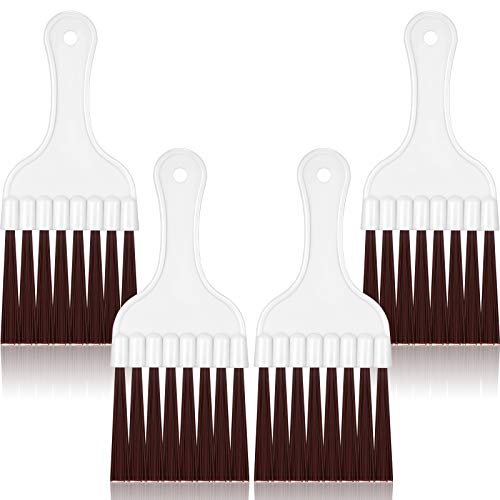
- Straighten bent coil fins with a fin comb if airflow is visibly restricted
- Keep shrubs and fencing at least two feet away from the unit
- Check and replace indoor air filters regularly to reduce strain on the system
- Listen for unusual noises and note any change in performance for your technician
Professional Maintenance
An annual professional service visit should include coil cleaning, refrigerant charge verification, electrical component inspection, and a check of the compressor and fan motor. Technicians also verify that the condenser is properly matched to the indoor coil and that the system is operating within manufacturer specifications. The HVAC maintenance guide offers a detailed seasonal schedule, and the HVAC coil cleaning article explains why clean coils are central to efficiency.
If you prefer to delegate maintenance, exploring HVAC maintenance plans can provide predictable scheduling and priority service. For a broader picture of upkeep across the whole system, the HVAC maintenance services overview is a useful reference.
Common Condenser Problems and How to Recognize Them
Condensers are durable, but they are exposed to weather and debris year-round. Recognizing early warning signs helps you act before a minor issue becomes a major repair.
Signs of a Struggling Condenser
- Weak cooling: If indoor temperatures rise while the unit runs constantly, the condenser may have a refrigerant issue or restricted airflow. The HVAC not cooling properly guide walks through diagnostic steps.
- Warm air from vents: This can indicate a compressor problem or a refrigerant leak. The article on HVAC blowing cold air but not cooling the house addresses this specific symptom.
- Frequent cycling: Short cycling can stem from an oversized unit, a faulty thermostat, or a failing compressor. It is worth investigating promptly.
- Unusual noises: Grinding, rattling, or squealing sounds from the outdoor unit often point to fan motor or compressor issues. The HVAC fans guide covers fan-related problems.
- Ice on the outdoor unit: Frost or ice on the condenser lines suggests a refrigerant or airflow problem. Turn the system off and call a technician.
When to Repair and When to Replace
The decision between repair and replacement depends on the condenser's age, the cost of the repair relative to a new unit, and the efficiency of the existing equipment. A condenser nearing the end of its expected lifespan with a major component failure is often a candidate for replacement. Comparing options through HVAC costs and speaking with a qualified contractor helps clarify the trade-offs. If you need to locate a professional, the HVAC contractor near me resource can connect you with local specialists.
Choosing a Qualified HVAC Contractor
Condenser work involves refrigerant handling, electrical connections, and system charging, all of which require licensed expertise. When selecting a contractor, verify licensing and insurance, ask for references, and request a written estimate that specifies the equipment model, scope of work, and warranty terms. The HVAC license and insurance article explains what credentials to look for, and the HVAC quote guide helps you compare estimates fairly.
It is also wise to confirm whether the contractor will handle permits and arrange any required inspections. A thorough contractor will perform a load calculation rather than simply matching the old unit's capacity. For a complete overview of the process, including questions to ask during the estimate, consult the HVAC buying guide.
Ready to Explore Condenser Options?
Now that you understand how condensers work, how to size them, and what maintenance they need, you are in a strong position to compare products and select the right unit for your home. Browse our recommended condensers and air conditioning equipment below to find the best match for your cooling needs.
VIEW RECOMMENDED UNITSFrequently Asked Questions About HVAC Condensers
What is an HVAC condenser and what does it do?
An HVAC condenser is the outdoor component of a split air conditioning system responsible for releasing heat absorbed from your indoor space. It compresses refrigerant and pushes heat outside, allowing the indoor coil to continue cooling.
How often should an HVAC condenser be serviced?
A condenser should be professionally serviced once per year, ideally before the cooling season begins. Homeowners should clean debris around the unit and rinse the coils monthly during heavy use.
What is the difference between a condenser and an evaporator?
The condenser is located outdoors and releases heat, while the evaporator is located indoors and absorbs heat. Together they form the cooling loop that moves heat from inside your home to the outside.
How long does an HVAC condenser unit last?
A well-maintained condenser typically lasts 12 to 20 years. Regular coil cleaning, proper refrigerant charge, and annual professional inspections extend its usable life significantly.
Can I replace just the condenser without the indoor unit?
In some cases, yes, but the new condenser must be matched to the existing indoor coil and air handler. A mismatched system can reduce efficiency and may void warranties. Always consult a qualified technician before replacing only the outdoor unit.