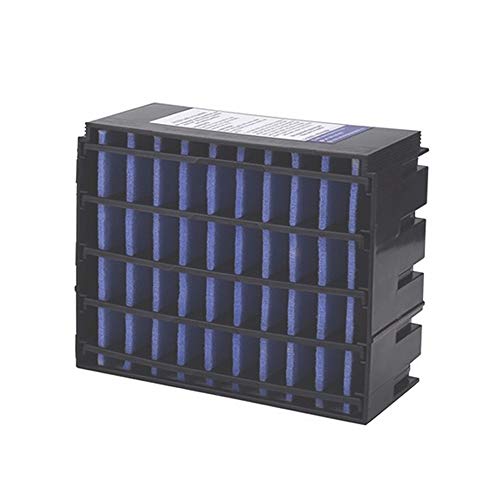
HVAC Not Cooling Properly: Complete Troubleshooting Guide
When your HVAC system runs but fails to cool your home, the cause could range from a simple filter issue to a failing compressor. This guide walks you through the most common reasons, practical fixes, and the point at which you should call a professional.
START TROUBLESHOOTINGQuick summary: An HVAC system that is not cooling properly is usually dealing with restricted airflow, a refrigerant problem, dirty coils, or a thermostat malfunction. Most homeowners can resolve the first and last issues on their own. Refrigerant and compressor problems require a licensed technician.
Common Causes of HVAC Not Cooling Properly
Before you reach for a phone to call a technician, it helps to understand where the problem likely originates. The causes below account for the vast majority of cooling complaints in residential and light commercial systems. Each one is ranked by how frequently it appears in service calls and how easily it can be resolved.
| Cause | Typical Symptom | Difficulty to Resolve | Best For |
|---|---|---|---|
| Clogged air filter | Weak airflow, system runs constantly | Very easy (DIY) | All system tiers |
| Dirty condenser coils | Warm air from vents, high energy use | Moderate (DIY with care) | Outdoor units of any tier |
| Low refrigerant charge | Ice on lines, hissing sound, poor cooling | Professional only | Split and central systems |
| Thermostat misconfiguration | System not responding to settings | Easy (DIY) | Smart and programmable thermostats |
| Blocked or leaking ductwork | Uneven cooling between rooms | Professional recommended | Ducted central systems |
| Failing compressor | Humming outdoor unit, no cold air | Professional only | Mid-range to high-end tier systems |
| Faulty capacitor or contactor | Outdoor unit not starting | Professional only | All condenser-based systems |
| Frozen evaporator coil | Ice on indoor unit, restricted airflow | Moderate to professional | Central and mini-split systems |
If you are still in the research phase of selecting equipment, the HVAC buying guide explains how to match system capacity to your home. An oversized or undersized unit is itself a root cause of poor cooling performance, and no amount of troubleshooting will fix a system that was never sized correctly for the space it serves.
Step-by-Step Troubleshooting
Work through these steps in order. Each one is designed to eliminate the simplest and most common causes before moving to more involved diagnostics. Stop as soon as you identify the problem, and do not skip ahead to refrigerant or electrical work unless you hold the appropriate certification.
- Check the air filter first. A clogged filter is the single most common reason an HVAC system underperforms. Hold it up to a light source; if you cannot see through it, replace it. This simple step restores airflow and often resolves the problem immediately.
- Verify the thermostat settings and batteries. Confirm the mode is set to COOL, the fan is on AUTO, and the setpoint is at least a few degrees below room temperature. Replace batteries in battery-powered units, and check that a smart thermostat has not reverted to an eco or schedule mode.
- Inspect the outdoor condenser unit. Clear leaves, grass clippings, and debris from around the unit. Ensure at least two feet of clearance on all sides. Look at the condenser coils through the grille; visible dirt or cottonwood buildup needs cleaning before the system can reject heat effectively.
- Check the indoor evaporator coil and drain line. If you see ice on the indoor coil or refrigerant lines, turn the system off and let it thaw completely before restarting. A clogged condensate drain can also trigger a safety shutdown on many modern units.
- Listen and observe the outdoor unit. A fan that spins but a compressor that hums without starting points to a capacitor or contactor issue. A completely silent outdoor unit suggests a tripped breaker, blown fuse, or thermostat wiring fault.
- Test airflow at the vents. Weak airflow across all vents usually indicates a blower or filter problem. Weak airflow in only some rooms suggests blocked or leaking ducts. Use a simple tissue test at each register to compare flow.
- Reset the system safely. Turn the thermostat off, switch the air handler breaker off for 30 seconds, then restore power and restart. This clears transient control board faults on many mid-range and high-end tier systems.
Several of these steps overlap with routine care. A regular HVAC maintenance guide schedule prevents most of the issues above from developing in the first place. If you prefer a hands-off approach, a professional HVAC inspection each spring catches problems before the cooling season begins.
Preventive Maintenance That Actually Works
Troubleshooting solves today's problem. Maintenance prevents next month's. The tasks below are the ones that consistently deliver the largest improvement in cooling reliability, based on common service patterns across residential and light commercial systems.
Tasks homeowners can handle
- Replace or clean the air filter every 30 to 90 days, and more often in homes with pets.
- Keep the outdoor unit clear of debris, vegetation, and snow accumulation.
- Gently rinse condenser coils with a garden hose once per season after the power is off.
- Flush the condensate drain line with a cup of distilled vinegar every few months.
- Verify that supply and return registers are unobstructed by furniture or rugs.
Tasks that benefit from a professional
- Measuring refrigerant charge and checking for leaks with electronic detectors.
- Testing capacitors, contactors, and the compressor's electrical draw.
- Cleaning the evaporator coil, which requires access to the air handler plenum.
- Inspecting and sealing ductwork to eliminate the leaks behind uneven cooling.
- Checking blower motor amp draw and lubrication on older belt-drive units.
Airflow problems deserve special attention because they masquerade as refrigerant faults. A home with leaky ducts can lose a significant share of its cooling capacity before the air reaches a register. Reviewing HVAC air duct sealing techniques is worthwhile if you notice rooms that never seem to cool regardless of what the thermostat says. Similarly, a coil that has not been cleaned in years cannot transfer heat efficiently; evaporator coil cleaning restores the heat exchange that cooling depends on.
For households that want the work handled end to end, HVAC maintenance services and maintenance plans bundle the seasonal checks above into a predictable schedule. Understanding the HVAC cooling cycle also helps you recognize when something is off: if the system is moving air but the air is not cold, the problem is almost always in the refrigerant circuit or the heat exchange surfaces, not the blower.
When to Call a Professional
Some problems are genuinely beyond safe DIY scope. The following symptoms should prompt a call to a licensed technician rather than further investigation on your own.
- Refrigerant leaks or low charge. Symptoms include ice on the indoor coil, hissing near the lineset, and a system that cools briefly before warming up. Handling refrigerant is federally regulated.
- Compressor not starting. A humming outdoor unit with no cold air often indicates a failed capacitor, contactor, or compressor. All three require electrical diagnostics.
- Burning smells or tripped breakers. Any smell of hot insulation or repeated breaker trips is a fire risk. Shut the system off at the breaker and call for service.
- Water pooling around the indoor unit. A blocked drain or cracked drain pan can cause water damage and mold growth if left unresolved.
- Persistent ice formation. If the coil ices over repeatedly after a proper thaw, the underlying cause is likely low charge or restricted airflow that needs measurement, not guesswork.
Choosing the right technician matters as much as deciding to call one. A qualified professional will measure superheat and subcooling, verify airflow in cubic feet per minute, and document the findings rather than simply topping off refrigerant. Reviewing HVAC license and insurance requirements in your area before booking protects you if something goes wrong during the repair. If you are comparing providers, HVAC companies that offer written diagnostics and clear explanations are generally the safer choice over those that quote work before inspecting.
Need Help From a Local Technician?
Find qualified professionals in your area who can diagnose cooling problems and restore comfort safely.
Find a Contractor Near YouHVAC System Tiers and What to Expect
The reliability and serviceability of an HVAC system depend significantly on its position in the market. The tiers below describe general characteristics rather than specific products, and they help set expectations for how often maintenance is needed and how gracefully the system ages.
Entry-Level Tier
Single-stage compressors and basic control boards. Straightforward to service, with widely available parts. These systems reward diligent filter changes and annual checkups, and they tend to show cooling problems through simple, predictable symptoms.
Mid-Range Tier
Two-stage or variable-speed compressors with more advanced controls. Better humidity management and quieter operation. Diagnostic codes make troubleshooting easier, but repairs often require manufacturer-specific parts.
High-End Tier
Fully variable-speed inverter systems with communicating thermostats. Excellent efficiency and comfort, but service requires technicians trained on the specific platform. Sensor and control board faults are the more common failure points.
Commercial-Grade
Packaged rooftop units and light commercial splits built for continuous duty. Heavier-duty components and serviceable access panels. Cooling problems in these systems often trace back to economizer faults or building controls rather than the refrigerant circuit.
No matter which tier you own, the troubleshooting sequence earlier in this guide applies. The difference is in who can safely perform each step and how much diagnostic equipment is required. For a broader look at how these systems are classified and compared, the HVAC and air conditioning overview provides useful background.
Frequently Asked Questions
Why is my HVAC running but not cooling?
The most common causes are a clogged air filter, low refrigerant charge, dirty condenser coils, a thermostat that is set incorrectly or has failed, or a compressor that is not starting. Begin with the filter and thermostat checks, then inspect the outdoor unit for debris. If those are clear, the issue is likely in the refrigerant circuit and needs a technician.
How often should I replace the air filter to prevent cooling problems?
Standard 1-inch filters should be replaced every 30 to 90 days. Homes with pets, occupants with allergies, or systems running continuously will need more frequent changes. A restricted filter reduces airflow across the evaporator coil, which lowers cooling capacity and can eventually freeze the coil.
Can a dirty condenser coil cause the system to stop cooling?
Yes. The condenser releases heat absorbed from your home. When its coils are coated with dirt, leaves, or cottonwood, that heat cannot escape efficiently. The system runs longer, cools less, and puts additional strain on the compressor. Cleaning the coils is one of the highest-impact maintenance tasks you can perform.
What does ice on the indoor coil mean?
Ice formation on the evaporator coil almost always indicates restricted airflow or a low refrigerant charge. Turn the system off and let it thaw completely before investigating. If the ice returns after a clean filter and open registers, a technician should measure the refrigerant charge and inspect for leaks.
Is it safe to add refrigerant myself?
No. Refrigerant handling requires EPA Section 608 certification, and improper charging can damage the compressor or create safety hazards. Adding refrigerant also does not fix a leak, which is the underlying issue in most low-charge situations. A licensed technician should recover, evacuate, and recharge the system properly.
How do I know if my ductwork is the reason for poor cooling?
Uneven cooling between rooms, whistling or rattling sounds at registers, and dusty rooms are common signs of duct problems. Weak airflow at vents that are far from the air handler points to leaks or blockages. A professional duct inspection can measure static pressure and identify where conditioned air is being lost.
When should I replace the system instead of repairing it?
If the compressor has failed on an older system, or if the system uses phased-out refrigerant, replacement often makes more long-term sense than repair. Repeated repairs of major components are another signal. A written comparison of repair against replacement, including efficiency and warranty coverage, helps you decide objectively.
Still Not Cooling? Get a Professional Diagnosis
A technician can measure refrigerant charge, airflow, and electrical draw to pinpoint the exact cause rather than guessing.
Explore Repair and Service Options