HVAC Contactor Replacement: What to Expect and How It Works
Understand the role of the contactor in your air conditioning system, recognize the warning signs of failure, and learn what a professional replacement involves before you commit.
Quick answer: The HVAC contactor is the electrical switch that engages the compressor and condenser fan when your thermostat calls for cooling. When it fails, the system may not start, may short-cycle, or may blow warm air. Replacement is a targeted repair that restores reliable operation and is generally completed within a single service visit. This guide explains how the part works, what symptoms point to failure, which replacement tiers exist, and how to prepare for the service.
What Is an HVAC Contactor?
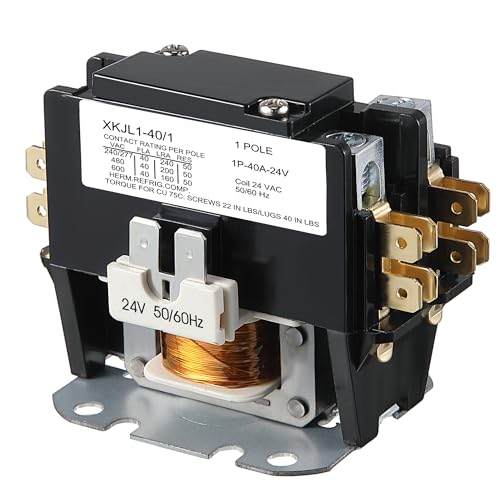
An HVAC contactor is a heavy-duty relay located in the outdoor condenser unit. Its job is to close the high-voltage circuit that powers the compressor and the condenser fan motor whenever the low-voltage thermostat signal arrives. Think of it as the gatekeeper between your thermostat's command and the actual cooling machinery: when the thermostat says "cool," the contactor closes and lets the current flow; when the setpoint is satisfied, the contactor opens and the system rests.
Inside the contactor you will find a magnetic coil, a set of spring-loaded contacts, and terminals rated for specific amperage. Over time, electrical arcing, moisture intrusion, insect activity, and voltage spikes can pit the contacts or weaken the coil. Once the contact surfaces degrade, the contactor can stick open (no cooling) or stick closed (continuous running). Both conditions are unhealthy for the system and point toward replacement.
How the Contactor Fits Into Your Cooling System
The contactor sits within the broader electrical sequence of an air conditioner. Understanding its neighbors helps you recognize when the contactor is the likely culprit rather than another component:
- Thermostat: sends a 24-volt signal to the control board or directly to the contactor coil.
- Control board: manages timing, safety interlocks, and fan behavior.
- Contactor: closes the line-voltage circuit for the compressor and condenser fan.
- Capacitor: provides the starting torque that the compressor and fan need.
- Compressor and condenser fan: the components that actually move refrigerant and reject heat.
Because the contactor is a mechanical switch handling high current, it is one of the more common electrical wear items in an outdoor unit. If your system is not cooling properly but the thermostat and air filter appear normal, the contactor deserves inspection by a qualified technician.
Signs Your Contactor Needs Replacement
Contactor failure rarely announces itself with a single dramatic symptom. Instead, homeowners usually notice a combination of the following behaviors:
System Will Not Start
The thermostat calls for cooling but the outdoor unit stays silent. A stuck-open contactor interrupts the line-voltage circuit.
Short Cycling
The unit starts and stops rapidly because the contactor is chattering or intermittently closing.
Continuous Running
A contactor welded closed keeps the compressor running even after the thermostat is satisfied.
Warm Air From Vents
The indoor blower moves air, but the outdoor unit never engages, so the air is not conditioned.
Buzzing or Clicking
A failing coil or pitted contacts produce audible clicking or humming near the outdoor unit.
Visible Burn Marks
Darkened or melted terminals inside the electrical panel indicate arcing and overheating.
Replacement Tiers: Choosing the Right Grade
Not all contactors are built to the same standard. The appropriate tier depends on how often the system cycles, the climate, and whether the unit is in a residential or commercial setting. Use the table below to compare relative positions in the market without relying on numerical figures.
| Tier | Best For | Typical Characteristics |
|---|---|---|
| Entry-level | Occasional-use residential systems in mild climates | Standard contacts, basic enclosure, adequate for low-cycle duty |
| Mid-range | Most single-family homes with average cooling seasons | Improved contact material, better coil insulation, solid build |
| Premium | High-cycle homes, hot climates, systems with heat pumps | Heavy-duty contacts, reinforced housing, extended service life |
| Professional-grade | Commercial spaces, rooftop units, demanding duty cycles | High-grade steel terminals, robust arc suppression, commercial durability |
For most residential replacements, a mid-range contactor offers a balanced choice for the category. Homes in hot climates or systems that cycle frequently benefit from a premium tier, while commercial-grade equipment should stay with professional-grade components. Matching the amperage rating to the equipment nameplate is more important than chasing the highest tier — a correctly rated mid-range contactor will outperform an oversized premium unit installed incorrectly.
What the Replacement Process Involves
Understanding the service sequence helps you ask the right questions and set expectations. A typical professional replacement follows these steps:
- Diagnosis: The technician verifies the thermostat signal, checks the control board output, and measures voltage at the contactor coil and line terminals.
- Power isolation: The outdoor unit is de-energized at the disconnect and main breaker, and the capacitor is safely discharged.
- Component removal: The failed contactor is disconnected, and the technician inspects adjacent wiring, terminals, and the capacitor for collateral damage.
- Matching and installation: A replacement with the correct amperage, coil voltage, and pole configuration is installed, with terminals torqued to specification.
- Verification: The technician restores power, confirms proper contactor pull-in, checks amp draw on the compressor and fan, and verifies the system reaches the thermostat setpoint.
Because the contactor is a relatively accessible component, the work is usually completed in a single visit. The repair is often combined with a broader HVAC inspection to confirm that no secondary damage has occurred to the compressor or fan motor.
Preparing for the Service Visit
A little preparation makes the appointment more productive and helps the technician diagnose quickly:
Before the technician arrives:
- Note the exact symptoms — does the outdoor unit hum, click, or stay completely silent?
- Record when the problem started and whether it is intermittent or constant.
- Locate the model and serial number of the outdoor unit.
- Clear access to the outdoor unit and the electrical disconnect.
- Have your service history available if you have used a provider before.
If you are still comparing providers, it helps to request a written HVAC quote that itemizes diagnosis, parts tier, and labor so you can compare offers on equal terms. Verifying that the contractor holds proper HVAC license and insurance is a reasonable step before authorizing work.
Preventive Habits That Extend Contactor Life
While no component lasts forever, a few maintenance habits reduce the stress on the contactor and the electrical system around it:
- Keep the outdoor unit clean and free of debris so the fan motor does not draw excess current.
- Schedule routine HVAC maintenance that includes torque checks on electrical terminals.
- Address voltage irregularities with a licensed electrician, since spikes accelerate contact pitting.
- Seal cabinet openings to discourage insects and moisture from reaching the contactor.
- Replace aging capacitors proactively — a weak capacitor forces the contactor to handle heavier inrush current.
Homeowners who prefer ongoing oversight often enroll in HVAC maintenance plans, which typically include seasonal electrical inspections that catch worn contacts before they fail mid-season.
When to Call a Professional vs. What to Check First
Some no-cooling situations have nothing to do with the contactor. Before scheduling service, confirm that the thermostat is set to cool, the batteries are fresh, the air filter is clean, and the outdoor disconnect is not tripped. If those basics check out and the outdoor unit remains unresponsive, professional diagnosis is the right next step. Replacing a contactor without confirming the root cause risks installing a new part into a circuit that still has an underlying fault.
For homeowners who want to understand the broader system before the visit, the guide on HVAC and air conditioning fundamentals explains how the electrical and refrigerant sides work together, which makes the technician's findings easier to interpret.