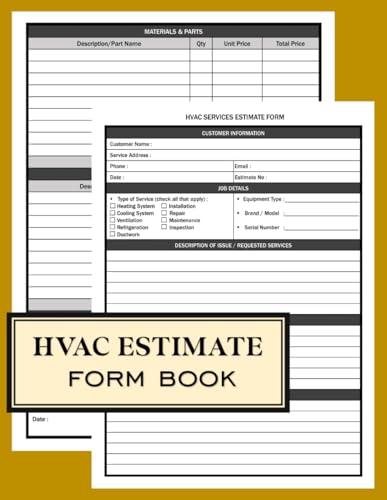
HVAC Estimates: How to Read and Compare Quotes
Understand what a professional HVAC estimate should contain, how to spot missing line items, and how to compare proposals from different contractors with confidence.
START READINGWhy estimates matter: An HVAC estimate is more than a number at the bottom of a page. It documents the equipment tier, the labor scope, ductwork changes, permits, and warranty terms. Learning to read each line helps you avoid surprises and choose the right proposal for your home.
What an HVAC Estimate Actually Covers
An HVAC estimate, sometimes called a proposal or quote, is a written summary of the work a contractor plans to perform. A well-prepared estimate goes beyond the equipment itself and explains how the system will be sized, installed, and supported after the job is finished.
Most residential estimates fall into two broad categories: replacement of an existing system and new installation. Replacement estimates usually reference the existing ductwork and electrical setup, while new installations may need a full HVAC design review. If you are still exploring system types, the HVAC buying guide is a useful companion to this page.
Because every home is different, the strongest estimates are built on a room-by-room load calculation rather than a rule-of-thumb guess. If a contractor skips that step, ask why. A proper calculation is the foundation of a system that heats and cools evenly.
Key Line Items to Look For
The following elements should appear in a complete HVAC estimate. Missing items are a signal to ask questions before signing.
- Equipment specification: model number, capacity, and efficiency tier (for example, entry-level, mid-range, or premium).
- Scope of labor: removal of the old unit, line-set work, electrical connections, and thermostat installation.
- Ductwork: sealing, repair, or replacement, plus any new returns or registers.
- Permits and inspections: who pulls the permit and who handles the inspection.
- Warranty terms: equipment warranty length and labor warranty length, listed separately.
- Payment schedule: deposit and milestone payments tied to completed work.
- Timeline: expected start and completion dates, including weather contingencies.
A detailed estimate makes it possible to compare proposals fairly. Two totals that look similar can hide very different scopes of work.
The Three Common Estimate Tiers
Many contractors present options at different equipment tiers. The table below describes what typically distinguishes each tier so you can match the proposal to your priorities.
| Tier | Typical Characteristics | Best For |
|---|---|---|
| Entry-level | Standard single-stage equipment, essential features, basic warranty coverage | Households that prioritize a straightforward replacement |
| Mid-range | Two-stage or variable-speed options, improved humidity control, stronger warranty | Homeowners seeking better comfort and efficiency balance |
| Premium | High-efficiency equipment, advanced controls, extended labor coverage | Long-term investment and maximum comfort control |
These tiers are relative descriptions, not fixed categories. Ask the contractor to explain which features change between options, and whether the ductwork or electrical panel needs upgrades to support a higher tier.
How to Compare Estimates Side by Side
Comparing estimates is easier when you normalize the information. Use these steps to evaluate proposals consistently.
1. Match the Scope
Confirm that each quote covers the same equipment, ductwork, and permit work. Note any exclusions in writing.
2. Check the Load Calculation
A proper sizing calculation should be referenced. Without it, equipment may be oversized or undersized for the home.
3. Review Warranty Terms
Compare equipment and labor warranties separately. Labor coverage often varies more than equipment coverage.
4. Verify Licensing
Check that the contractor holds the required license and insurance. A reputable HVAC contractor will provide credentials on request.
If a proposal is significantly lower than the others, look for missing permits, skipped duct sealing, or lower-tier equipment. The goal is not to find the lowest total but the most complete and honest scope.
Common Mistakes Homeowners Make
Even careful homeowners can overlook details during the estimate phase. Watch for these recurring issues.
- Accepting a verbal quote: Always request a written estimate with line-item detail.
- Ignoring ductwork condition: Leaky ducts can undermine even premium equipment. Ask for a duct assessment.
- Skipping the load calculation: Sizing by square footage alone is unreliable in homes with varied insulation or sun exposure.
- Overlooking permits: Unpermitted work can complicate resale and warranty claims.
- Comparing only totals: Two similar totals can reflect very different scopes and equipment tiers.
If you notice a problem with your current system during the estimate process, such as a central air conditioner that stopped cooling, document it so the contractor can address it in the proposal.
Questions to Ask Before You Sign
A short list of questions can clarify the estimate and reduce the chance of misunderstandings later.
- Was a room-by-room load calculation performed, and can I see the result?
- Does the estimate include permits and inspections?
- What is the labor warranty, and how does it differ from the equipment warranty?
- Will you seal or replace any ductwork, and is that included in the scope?
- What is the payment schedule, and how are milestones verified?
- Who will perform the installation, and are they licensed and insured?
For a deeper checklist, the HVAC inspection checklist can help you prepare for the walkthrough before the estimate is finalized.
Frequently Asked Questions
What should an HVAC estimate include?
A solid estimate should list the equipment model and efficiency tier, the scope of labor, ductwork or line-set changes, permits, warranty terms, and a clear payment schedule. Ask for line-item detail so you can compare proposals fairly.
How many HVAC estimates should I get?
Getting at least three written estimates from licensed contractors is a common practice. It helps you understand the range of options and spot quotes that omit important work such as load calculation or permit work.
Why do HVAC estimates vary so much?
Proposals differ because of equipment tier, labor scope, ductwork condition, permit requirements, warranty coverage, and whether a proper load calculation was performed. Comparing line items rather than totals reveals the real differences.
Is the lowest HVAC estimate always the best choice?
Not necessarily. A low estimate may exclude permits, duct sealing, or equipment features that affect long-term performance. Focus on scope, efficiency tier, and contractor reputation rather than the bottom line alone.