
Central Air Conditioner Stopped Cooling: Causes, Checks & Fixes
When a central air conditioner stops cooling, the problem can be as simple as a tripped breaker or as serious as a failing compressor. This guide walks through the likely causes in order, explains what you can safely check yourself, and shows when it is time to call a professional.
See Common CausesStart here: A central air conditioner that runs but no longer cools the house is one of the most common HVAC complaints. In many cases the unit is still trying to work — the fan runs, the thermostat calls for cooling, and air comes out of the vents — but the air is warm. That pattern narrows the problem down to a handful of causes, and the checklist below is arranged so you can work from the simplest and safest checks to the ones that need a technician. Readers who want the broader diagnosis path should also see the guide on central air conditioner problems not cooling.
How to Recognize the Problem
Before troubleshooting, it helps to confirm what is actually happening. "Stopped cooling" can mean several different things, and each pattern points to a different set of causes.
- Air comes out of the vents but it is warm. The blower is working but the cooling cycle is not. This is the classic "running but not cooling" pattern.
- No air comes out of the vents at all. The indoor blower is not running, which points to a different set of causes than warm air.
- The outdoor unit is silent. The condenser is not turning on, which usually means an electrical or control issue.
- The outdoor unit runs but the house never cools. Often a refrigerant or airflow problem.
- The system cools briefly and then stops. This can indicate the system is short-cycling, which is often a safety or control problem.
If the outdoor unit fan is spinning but no air moves inside the house, the guide on AC unit fan is spinning but no air covers that specific pattern. If the blower is running but the air is warm, the guide on air conditioner blowing warm air in house and the guide on my air conditioner is running but not cooling the house go deeper into that scenario.
The Most Common Causes of a Central AC That Stopped Cooling
The causes below cover the vast majority of residential cases. They are listed roughly from easiest to diagnose to ones that need professional tools and training.
1. Tripped Breaker or Blown Fuse
The condenser and the air handler often sit on separate circuits. A tripped breaker or a blown fuse at the disconnect box can leave the indoor blower running while the outdoor unit is completely off. Check the main panel and the outdoor disconnect before anything else.
2. Clogged Air Filter
A severely clogged filter restricts airflow. The evaporator coil can freeze, and the system will run without delivering cold air. This is the most common and easiest cause to rule out. Filters should be checked monthly during heavy use.
3. Frozen Evaporator Coil
If airflow is restricted or refrigerant is low, the indoor coil can freeze into a block of ice. The system runs, but the ice blocks the cooling. Turn the system off, let the coil thaw, and check for the underlying cause before running it again.
4. Low Refrigerant Charge
A low refrigerant charge — usually caused by a leak — is one of the most common reasons a central AC runs but does not cool. Refrigerant is not consumed over time, so a low charge always means a leak that needs to be found and repaired by a licensed technician.
5. Failing Capacitor
Start and run capacitors help the compressor and condenser fan motor start and stay running. A weak or failed capacitor is a frequent cause of an outdoor unit that will not turn on. A technician can test and replace capacitors quickly.
6. Thermostat or Control Problem
A thermostat set to "fan only," a dead thermostat battery, or a wiring problem can prevent the cooling cycle from starting. Modern smart thermostats can also fail to call for cooling. The guide on smart AC thermostat covers what to check.
7. Dirty Condenser Coil
The outdoor coil sheds heat. If it is caked with dirt, leaves, or grass clippings, the system cannot reject heat efficiently and cooling performance drops. A gentle cleaning is often all that is needed.
8. Duct Leaks or Blockages
If cold air is escaping into the attic or a duct is blocked, the house will not cool even though the system is running. Duct problems often show up as uneven cooling or rooms that stay warm. Professional duct cleaning and inspection help diagnose this.
9. Compressor Failure
The compressor is the heart of the system. A failed compressor will leave the system running but not cooling. A technician can test the compressor and confirm whether it is the source of the problem.
10. Failing Condenser Fan Motor
If the outdoor fan motor stops turning, the condenser cannot reject heat. On hot days this triggers the system to shut down on high pressure or high temperature. A technician can test the motor and its capacitor.
For additional context on how these problems present in different systems, the guide on my air conditioner is blowing but not cooling and the guide on AC isn't blowing cold air in house cover closely related scenarios.
Safe Checks You Can Do Before Calling a Technician
Some checks are safe and useful. Others are not — refrigerant work and electrical diagnosis inside the condenser require a licensed technician. The steps below are safe for most homeowners.
Step 1: Confirm the thermostat is calling for cooling
Set the thermostat to "cool" and lower the setpoint a few degrees below the current room temperature. Make sure the fan is set to "auto" or "on," not just the mode. If the display is blank, replace the batteries or check the breaker feeding the thermostat.
Step 2: Check the air filter
Pull the air filter and hold it up to a light. If you cannot see light through it, replace it. A clogged filter is a very common cause of a central AC that runs but does not cool.
Step 3: Check the breakers
Locate the breaker that feeds the outdoor unit and the breaker that feeds the indoor air handler. Reset any breaker that has tripped. If a breaker trips again immediately, stop and call a technician — do not keep resetting it.
Step 4: Look at the outdoor unit
Check that the outdoor unit's fan is running and that air is blowing out the top. Clear away leaves, grass, and debris from around the unit. Make sure the unit has at least two feet of clearance on all sides.
Step 5: Look for ice on the indoor coil
Open the air handler cabinet (if accessible) and look for ice on the copper lines or the evaporator coil. If ice is present, turn the system off at the thermostat and let it thaw before running it again. Running a frozen system can damage the compressor.
Step 6: Check the condensate drain
A clogged condensate drain can trigger a float switch that shuts the system down. If you see standing water near the indoor unit, clear the drain line and check again. The guide on air conditioner leaking water through ceiling covers this in more detail.
When to Call a Professional
Some problems are safe to resolve yourself. Others are not, and attempting them can make the situation worse. Call a licensed technician if any of the following apply:
- The breaker trips repeatedly after you reset it.
- You see ice on the indoor coil or the refrigerant lines.
- The outdoor unit hums but does not start.
- The system runs but the air is warm after you have replaced the filter and confirmed the thermostat settings.
- You suspect a refrigerant leak — low cooling combined with hissing or oil residue around the lines.
- You hear grinding, screeching, or banging from the outdoor unit.
- The system has not been serviced in more than a year.
The guide on HVAC contracting explains how to choose a licensed contractor, what questions to ask, and how to compare quotes. A professional diagnostic is often the fastest route to a permanent fix, especially when the underlying cause is refrigerant-related or electrical.
Cause vs. Symptom Reference
The table below maps common symptoms to the most likely causes, so you can narrow down the problem before calling for service.
| Symptom | Most Likely Causes | DIY or Pro? | First Action |
|---|---|---|---|
| Air from vents is warm | Low refrigerant, dirty condenser coil, failing compressor | Pro | Check filter, then call technician |
| No air from vents | Blower failure, tripped breaker, thermostat issue | DIY then Pro | Check thermostat and breaker |
| Outdoor unit silent | Tripped breaker, capacitor failure, contactor issue | DIY then Pro | Reset breaker, then call technician |
| Outdoor unit hums but does not start | Failed capacitor, seized compressor, low voltage | Pro | Do not keep resetting; call technician |
| Ice on indoor coil | Low refrigerant, airflow restriction | DIY then Pro | Turn off system, replace filter, call technician |
| Short cycling | Oversized system, low refrigerant, control problem | Pro | Schedule a professional diagnostic |
Readers who want a full walkthrough of the diagnostic sequence may find the guide on central air conditioner problems not cooling and the guide on my air conditioner is running but not cooling the house useful complements to this page.
Preventive Maintenance That Prevents Repeat Failures
Most central AC failures that lead to a "stopped cooling" call are preventable. A short seasonal routine reduces the chance of a repeat and extends the life of the system.
- Replace the air filter every 1 to 3 months during heavy cooling season, and more often in dusty homes or homes with pets.
- Clean the outdoor coil at the start of the season with a gentle hose rinse. Avoid high-pressure water, which can bend the fins.
- Schedule an annual tune-up before summer. A technician will check the refrigerant charge, capacitors, contactor, and drain line. The guide on HVAC tune-up cost explains what a tune-up usually includes.
- Keep the area around the outdoor unit clear of leaves, grass, and clutter. Two feet of clearance on all sides is a good rule.
- Flush the condensate drain with a cup of vinegar once a season to prevent clogs.
- Check the thermostat settings and batteries at the start of every cooling season.
For homes where the AC is running but not delivering cold air across multiple rooms, a professional evaluation of the system may reveal that replacement is the smarter long-term choice. The guide on home air conditioning covers the broader system evaluation process.
Recommended Air Conditioners & Cooling Solutions
⚠️ AFFILIATE DISCLOSURE: This website contains affiliate links. As an Amazon Associate, we earn from qualifying purchases. If you make a purchase through these links, we may receive a small commission at no additional cost to you. Read our full affiliate policy.

AC COAT Air Conditioner Protector for Outside Systems – Winter Condenser Shield for Central Cooling Equipment – Dual Shoelace Drawstring, Snug Secure Fit
Check price on Amazon
MICRO-AIR EasyStart Flex 398 Soft Start Kit for Home & RV Air Conditioner | Includes Installation Kit, 75% Inrush Reduction, For Units <6 Tons (72k BTU), Silence Startup Noise, Weatherproof, USA Made
Check price on Amazon
26x26 Central Air conditioner Covers for Outside, Larger Mesh AC Unit Covers Outdoor - Top Universal Defender
Check price on Amazon
WITFORMS/CASSETTE - Adjustable AC air deflector suitable for cassette air conditioner's outlets. Enhance cooling and heating circulation
Check price on Amazon
Xeeol Central Air conditioner Covers for Outside Units, Mesh AC Unit Covers Outdoor, Top Breathable Universal Defender, Water Resistant, Black, 32" x 32"
Check price on Amazon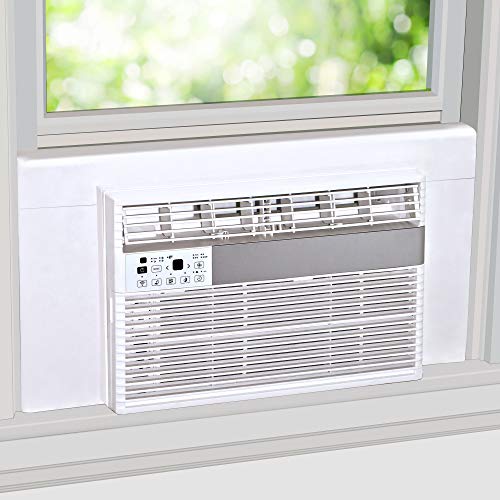
Breeze Stop Surround Insulation Side Panels White for Window AC Unit Indoor Air Conditioner Cover for Winter and Summer
Check price on Amazon
VEXUNGA 45/5 uF 45+5 MFD 370V or 440V Dual Run Start Round A/C Capacitor 45 5 uF 370 440 Volt VAC CBB65B Air Conditioner Capacitors for AC Unit Fan Motor Start or Heat Pump or Condenser Straight Cool
Check price on Amazon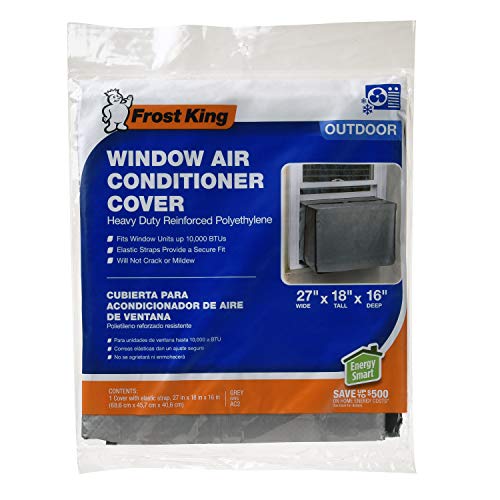
THERMWELL AC2H Air Conditioner Cover, 18 by 27 by 16-Inch, Silver | Air Conditioner Covers, Window Air Conditioner Covers, polyethylene construction, for up to 10000 btu air conditioner
Check price on AmazonFrequently Asked Questions
Why did my central air conditioner suddenly stop cooling?
The most common causes are a tripped breaker, a clogged air filter, a frozen evaporator coil, or a low refrigerant charge. In many cases the system keeps running but no longer delivers cold air. Start with the filter and breaker, then call a technician if the problem persists.
Can I just reset the breaker and keep using the AC?
If a breaker tripped once because of a power surge or a momentary fault, resetting it is safe. If the breaker trips again immediately or after a short run, stop resetting it and call a technician. A breaker that keeps tripping is protecting the circuit from a real fault.
Why is my AC running but the house is not cooling?
When the system runs but does not cool, the likely causes are low refrigerant, a dirty condenser coil, a failing compressor, or a serious duct leak. The guide on my air conditioner is running but not cooling the house walks through the diagnostic order.
Is it normal for the indoor coil to freeze?
No. Ice on the indoor coil is a symptom, not a normal condition. It usually means airflow is restricted or the refrigerant charge is low. Turn the system off, let it thaw, replace the filter, and have a technician check the refrigerant charge.
How often should a central AC be serviced?
Once a year, ideally in spring before the cooling season begins. Annual service checks the refrigerant charge, cleans the coils, tests capacitors and contactors, and verifies the drain line. Regular service significantly reduces the chance of a mid-summer breakdown.
Can a dirty filter really stop the AC from cooling?
Yes. A severely clogged filter restricts airflow, which can freeze the evaporator coil and prevent the system from delivering cold air. Replacing the filter is the simplest and most effective first step when the AC runs but does not cool.
When should I replace the AC instead of repairing it?
If the system is older, needs a major component like a compressor, or has had repeated failures in the same season, replacement may be the better long-term choice. The guide on home heating and air conditioning units price covers how to compare options and plan the replacement.
Fix the Cooling Problem Before It Gets Worse
A central air conditioner that stops cooling is rarely something to wait out. The filter and breaker checks are quick and safe, and they resolve a surprising share of cases. For anything involving refrigerant, electrical components inside the condenser, or a suspected compressor fault, a licensed technician is the right call. The guides linked throughout this page give you the detail to make that decision with confidence.