HVAC Heat Pumps: Complete Guide to Efficient Home Heating & Cooling
Understand how heat pumps work, compare air-source and mini-split systems, size your unit correctly, and learn maintenance tips that keep your home comfortable year-round.
Start LearningWhy heat pumps matter: A heat pump is a two-in-one HVAC system that heats in winter and cools in summer by moving heat instead of burning fuel. For homeowners researching a replacement or new installation, understanding heat pump technology helps you choose a system that matches your climate, ductwork, and comfort goals.
What Is an HVAC Heat Pump?
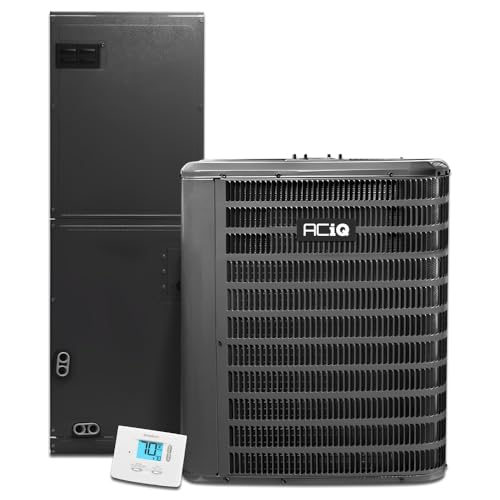
A heat pump is an electric HVAC system that transfers thermal energy between indoor and outdoor spaces. In cooling mode, it works like a standard air conditioner: refrigerant absorbs heat from indoor air and releases it outside. In heating mode, a reversing valve flips the refrigerant flow so the system extracts heat from outdoor air and delivers it indoors.
Because heat pumps move heat rather than generate it, they can deliver several units of heating or cooling for each unit of electricity consumed. This efficiency is expressed through ratings like SEER2 for cooling and HSPF2 for heating. Modern cold-climate models maintain capacity at low outdoor temperatures, making them viable in many regions that previously relied on furnaces alone.
How a Heat Pump Works
The refrigeration cycle is the foundation of every heat pump. Four main components drive the process:
- Compressor: Pressurizes refrigerant, raising its temperature and moving it through the system.
- Condenser coil: Releases or absorbs heat depending on the mode; outdoors in cooling, indoors in heating.
- Expansion valve: Drops refrigerant pressure so it can absorb heat in the evaporator coil.
- Evaporator coil: Absorbs heat from the air stream, cooling the space in summer or capturing outdoor heat in winter.
A reversing valve changes refrigerant direction between heating and cooling. This is why a single system can handle both seasons. Understanding the HVAC refrigerant cycle helps you recognize symptoms like poor heating, frozen coils, or refrigerant leaks.
Types of Heat Pumps
Air-Source Heat Pump
Connects to existing ductwork and distributes conditioned air throughout the home. A solid choice for homes with well-sealed ducts and central returns.
Mini-Split Heat Pump
Uses wall-mounted indoor heads connected to an outdoor unit. Ideal for additions, older homes without ducts, and room-by-room zoning.
Cold-Climate Heat Pump
Engineered to maintain heating capacity at low outdoor temperatures. Often paired with a furnace backup in extreme cold regions.
Multi-Zone Heat Pump
One outdoor unit serves multiple indoor heads, each with independent temperature control. Useful for multi-story homes and mixed-use spaces.
How to Size a Heat Pump
Proper sizing is critical. An oversized unit short-cycles, struggles with humidity control, and wears out faster. An undersized unit runs constantly and may fail to keep up during temperature extremes.
Sizing depends on square footage, ceiling height, insulation, window area, orientation, occupancy, and local climate. A professional load calculation using Manual J is the most reliable method. As a starting point:
- Homes up to 1,000 sq ft often pair with a 1.5 to 2-ton system.
- Homes around 1,400 sq ft typically use a 2 to 2.5-ton system.
- Homes near 2,000 sq ft may require 2.5 to 3.5 tons depending on envelope quality.
For a deeper walkthrough, review HVAC design principles and HVAC buying guide resources. If your existing system is underperforming, compare repair versus replacement using HVAC replacement cost insights before deciding.
Efficiency Ratings Explained
| Rating | Measures | What to Look For |
|---|---|---|
| SEER2 | Cooling efficiency | Higher is better; premium-tier models typically exceed baseline standards. |
| HSPF2 | Heating efficiency | Higher is better; cold-climate units prioritize strong HSPF2 performance. |
| EER2 | Peak-load cooling efficiency | Useful for hot climates where peak demand drives energy use. |
Efficiency ratings directly affect long-term operating expenses. Top-tier units often include variable-speed compressors, enhanced coils, and smart controls. Mid-range systems balance efficiency and features, while entry-level units meet baseline standards and suit milder climates or seasonal use.
Installation Considerations
Heat pump installation involves electrical work, refrigerant line connections, condensate management, and duct or indoor-head placement. Key steps include:
- Verify electrical panel capacity and breaker requirements.
- Choose an outdoor location with adequate airflow and clearance.
- Ensure proper refrigerant line sizing and evacuation before charging.
- Seal ducts and insulate lines to protect efficiency.
- Register the warranty and schedule a post-install performance check.
Hiring a qualified HVAC contractor ensures code compliance and protects your investment. Ask for a load calculation, equipment specifications, and a clear commissioning report.
Maintenance Tips for Longevity
Routine maintenance keeps heat pumps efficient and extends service life. Recommended practices include:
- Replace or clean air filters every 1 to 3 months.
- Keep outdoor coils free of debris, leaves, and snow.
- Schedule annual professional service for refrigerant checks and electrical inspection.
- Monitor condensate drainage to prevent water damage.
- Use a programmable or smart thermostat to reduce unnecessary cycling.
For a structured service routine, explore HVAC maintenance guide and HVAC inspection checklist resources. Persistent issues like weak airflow or unusual noises warrant a call to an HVAC technician.
Common Heat Pump Problems
Not Heating or Cooling
Check thermostat settings, filters, and breaker status. Persistent issues may indicate refrigerant or compressor problems.
Frozen Outdoor Unit
Defrost cycles normally clear frost. If ice persists, airflow or sensor faults may be the cause.
Weak Airflow
Clogged filters, blocked ducts, or failing blower motors reduce performance and comfort.
Frequent Cycling
Oversized equipment, thermostat issues, or refrigerant charge problems can trigger short cycling.
Choosing the Right Heat Pump for Your Home
Use the following decision framework to narrow your options:
| Tier | Best For | Typical Features |
|---|---|---|
| Entry-level | Mild climates, seasonal use, single-zone spaces | Single-stage compressor, standard filtration |
| Mid-range | Whole-home comfort, mixed climates | Two-stage or variable-speed compressor, improved controls |
| High-end tier | Cold climates, multi-zone homes, efficiency-focused owners | Variable-speed inverter, cold-climate rating, smart integration |
Match the tier to your climate severity, comfort expectations, and long-term efficiency goals. For homes needing both heating and cooling upgrades, consider HVAC system buying guide and HVAC design resources before finalizing equipment.
Frequently Asked Questions
How does an HVAC heat pump work?
A heat pump moves heat rather than generating it. In cooling mode it absorbs heat from indoor air and releases it outdoors. In heating mode it reverses the process, extracting heat from outdoor air and transferring it inside, even in cold weather.
Are heat pumps effective in cold climates?
Modern cold-climate heat pumps can operate efficiently at temperatures well below freezing. Look for models rated for low-ambient operation and consider a dual-fuel setup with a furnace backup in extremely cold regions.
What size heat pump do I need?
Sizing depends on square footage, insulation, window area, climate zone, and ductwork. A professional load calculation is the most reliable method. As a rough guide, homes up to 1,000 sq ft often use a 1.5 to 2-ton system, while larger homes require proportionally higher capacity.
How long does a heat pump last?
A well-maintained heat pump typically lasts 12 to 15 years. Regular filter changes, annual professional service, and proper sizing help extend lifespan and maintain efficiency.
Do heat pumps require ductwork?
Not always. Ducted heat pumps use existing ductwork, while ductless mini-split heat pumps distribute air through wall-mounted indoor heads connected to an outdoor unit. Ductless systems suit older homes, additions, and multi-zone setups.