HVAC Technician: The Complete Guide to Skills, Certification & Hiring
Understand what an HVAC technician does, which qualifications matter, and how to select a qualified professional for installation, maintenance, and repair work in your home or commercial building.
Explore the GuideWhy this guide matters: An HVAC system is one of the largest mechanical investments in any building. The technician who installs and services it directly determines how efficiently, safely, and reliably that system performs for years.
This guide explains the technician's role, the certifications that indicate competence, the service tasks they perform, and the questions to ask before hiring. By the end, you will know exactly what to look for when you need HVAC service technicians you can trust.
What Does an HVAC Technician Do?
An HVAC technician is a trained tradesperson who installs, inspects, maintains, and repairs heating, ventilation, and air conditioning equipment. The role spans residential and commercial settings, from a single window unit to rooftop packaged systems serving an entire building.
Day to day, an HVAC tech performs a mix of diagnostic and hands-on work. That includes measuring refrigerant pressures, testing electrical components with a multimeter, reading wiring diagrams, brazing line sets, checking airflow, and verifying combustion safety on gas-fired equipment.
Core Responsibilities
- Installation: Positioning indoor and outdoor units, running refrigerant lines, connecting electrical circuits, and commissioning the system to manufacturer specifications.
- Preventive maintenance: Cleaning coils, replacing filters, checking refrigerant charge, tightening electrical connections, and lubricating moving parts.
- Diagnostic repair: Tracing faults in compressors, capacitors, blower motors, control boards, thermostats, and refrigerant circuits.
- Compliance and safety: Handling refrigerants under EPA regulations, verifying electrical grounding, and confirming safe combustion and ventilation.
- Customer communication: Explaining findings in plain language, documenting readings, and recommending appropriate next steps.
The scope of the work overlaps with several specialist areas. Technicians who handle ductwork design, for example, work closely with HVAC specialists who focus on system sizing and airflow balancing. Others specialize in controls and smart devices, including smart thermostat commissioning and configuration.
Residential vs. Commercial HVAC Work
While the underlying physics is identical, residential and commercial work differ significantly in scale, code requirements, and complexity. A technician trained on single-family split systems may not be equipped for a chilled-water plant or a multi-zone rooftop installation.
Homes & Apartments
Split systems, heat pumps, mini-splits, and furnaces. Focus on comfort, efficiency, and quiet operation. Work is typically scheduled and seasonal.
Small Businesses
Packaged rooftop units, split systems, and ductless zones. Technicians balance uptime with energy performance for offices, retail, and restaurants.
Large Facilities
Chillers, boilers, VAV systems, building automation, and HVAC VFD drives. Requires advanced training and often specialized certification.
For homeowners, the practical takeaway is straightforward: confirm that the technician you hire regularly works on your system type. Someone experienced with residential HVAC equipment is the right fit for a house, while a commercial facility should look for technicians with documented experience on HVAC systems for commercial buildings.
Skills and Qualifications That Matter
HVAC work combines mechanical aptitude, electrical knowledge, and regulatory awareness. A qualified technician should be able to demonstrate competence across each area, not just one.
Technical Skills
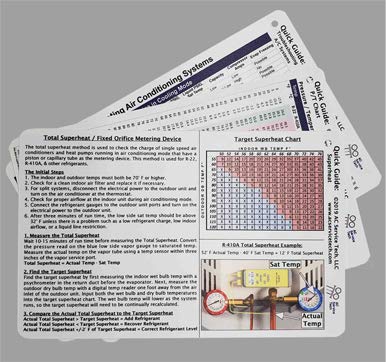
- Refrigeration fundamentals: Understanding the vapor-compression cycle, superheat and subcooling, and proper charging procedures.
- Electrical troubleshooting: Reading schematics, testing capacitors and contactors, and diagnosing control circuit faults safely.
- Airflow and ductwork: Measuring static pressure and understanding how HVAC sizing and duct design affect comfort and efficiency.
- System types: Familiarity with HVAC split systems, HVAC split units, heat pumps, and packaged equipment.
- Controls: Configuring thermostats, zoning panels, and HVAC zoning dampers for multi-zone homes.
Certifications and Licensing
Certification is the clearest external signal of a technician's competence. The following credentials are widely recognized in the industry:
| Credential | What It Covers | Why It Matters |
|---|---|---|
| EPA Section 608 | Safe handling of refrigerants | Legally required for technicians who service refrigerant circuits |
| NATE Certification | Technical competency across system types | Independent verification of practical knowledge and troubleshooting skill |
| State / Local License | Jurisdictional trade requirements | Confirms the technician is permitted to perform the work in your area |
| Factory Training | Brand-specific equipment and controls | Indicates familiarity with the exact model installed in your building |
Beyond formal credentials, soft skills matter more than many homeowners expect. A strong technician explains problems clearly, documents readings, arrives on schedule, and avoids unnecessary parts replacement. These traits are often what separates a good experience from a frustrating one.
Common Services Performed by HVAC Technicians
Understanding the typical service menu helps you evaluate whether a quoted scope of work is reasonable. Most technicians offer the following categories of work.
Installation and Replacement
New system installation involves load calculation, equipment selection, line set routing, electrical connections, and commissioning. Proper HVAC system installation is the single largest factor in long-term reliability, so this is the stage where technician quality matters most.
Maintenance and Tune-Ups
Routine HVAC tune-up service keeps equipment operating within specification. Typical tasks include coil cleaning, filter replacement, refrigerant charge verification, electrical tightening, and condensate drain clearing. Many providers offer a recurring HVAC unit maintenance plan that schedules visits automatically.
Diagnostic Repair
When a system stops cooling or heating, a technician traces the fault through a structured diagnostic sequence. Common repairs include capacitor replacement, blower motor replacement, refrigerant leak detection and repair, and control board replacement.
System Inspection
A full HVAC system inspection goes beyond a tune-up and evaluates the entire distribution system, including ductwork condition, insulation, and airflow balance. This is particularly valuable before a major renovation or when comfort problems persist after repair.
How to Choose a Qualified HVAC Technician
Selecting the right professional is a decision that affects safety, comfort, and the lifespan of your equipment. The checklist below covers the essentials.
- Verify licensing and insurance. Ask for the license number and confirm it with your state or local authority. Confirm the company carries liability and workers' compensation coverage.
- Confirm refrigerant certification. Any technician working on refrigerant circuits should hold EPA Section 608 certification.
- Ask about system-specific experience. A technician who regularly services your equipment type will diagnose faster and avoid unnecessary parts replacement.
- Request a written scope of work. The proposal should list the tasks to be performed, parts to be replaced, and any measurements or readings that justify the recommendation.
- Compare multiple quotes. Getting two or three proposals helps you understand the range of approaches and identify outliers.
- Check warranty terms. Labor warranties vary considerably between providers. Confirm what is covered and for how long.
- Read recent reviews. Look for patterns in feedback about punctuality, communication, and follow-up rather than isolated comments.
If you are starting a search from scratch, a local directory of HVAC service providers is a practical starting point. For urgent breakdowns, searching for HVAC repair in my area will surface providers who offer same-day service.
For larger projects, such as a full system replacement, it is worth understanding the scope of work before requesting quotes. Our guide to the HVAC system buying guide covers equipment selection and what to expect during the process.
Service Tiers: What Differentiates Providers
HVAC service providers generally fall into three broad tiers. Understanding these tiers helps set expectations about response time, diagnostic depth, and the level of documentation you should receive.
Basic Service Providers
Typically handle standard maintenance and common repairs on mainstream residential equipment. Good value for its tier for routine tasks such as filter changes and seasonal tune-ups.
Full-Service Companies
Offer installation, repair, and maintenance with NATE-certified technicians, documented diagnostics, and labor warranties. A solid choice for most homeowners.
Specialist Contractors
Focus on complex systems, high-performance homes, and commercial facilities. Feature-rich for its class, with advanced diagnostics, commissioning reports, and manufacturer-trained staff.
Higher tiers are not automatically the right choice for every job. A straightforward filter replacement does not require a specialist contractor, while a multi-zone heat pump installation benefits significantly from one. Match the provider tier to the complexity of the work.
Maintenance Schedule Recommended by Technicians
Consistent maintenance is the most reliable way to extend equipment life and preserve efficiency. The table below reflects the general schedule most technicians recommend for residential systems.
| Task | Frequency | Performed By |
|---|---|---|
| Filter inspection and replacement | Every 1–3 months | Homeowner |
| Cooling system tune-up | Annually, before cooling season | Technician |
| Heating system tune-up | Annually, before heating season | Technician |
| Coil cleaning | Annually or as conditions require | Technician |
| Full system inspection | Every 2–3 years or before major renovation | Technician |
Homes in dusty environments, coastal areas, or regions with extreme temperature swings may require more frequent attention. A technician can recommend a schedule tailored to local conditions after an initial assessment.
Frequently Asked Questions
What does an HVAC technician do?
An HVAC technician installs, maintains, and repairs heating, ventilation, and air conditioning systems. This includes diagnosing faults, replacing components, testing refrigerant levels, and ensuring systems operate safely and efficiently.
What certifications should a qualified HVAC technician have?
Look for EPA Section 608 certification for refrigerant handling, NATE certification for technical competency, and state or local licensing. Factory training on specific brands is also a strong indicator of expertise.
How often should an HVAC system be serviced by a technician?
Most manufacturers recommend professional servicing once per year for the cooling system and once per year for the heating system. Homes in harsh climates or with heavy usage may benefit from more frequent tune-ups.
Can a homeowner perform basic HVAC maintenance?
Yes. Filter replacement, keeping outdoor units clear of debris, and cleaning condensate drains are reasonable homeowner tasks. Refrigerant handling, electrical diagnostics, and combustion testing should always be left to a certified technician.
What should I ask before hiring an HVAC technician?
Ask about licensing, insurance, EPA certification, experience with your specific equipment type, the diagnostic process, labor warranty terms, and whether the technician will provide written readings and documentation of the work performed.
Recommended Tools & Equipment for HVAC Technicians
⚠️ AFFILIATE DISCLOSURE: This website contains affiliate links. As an Amazon Associate, we earn from qualifying purchases. If you make a purchase through these links, we may receive a small commission at no additional cost to you. Read our full affiliate policy.

HVAC Technician’s Field Diagnostics Mastery: Advanced Diagnostics, Installation & Real-World Troubleshooting for Residential & Light Commercial Systems | For Apprentices and Professional Technicians
Check price on Amazon
100Pcs HVAC Stickers Hard Hat, Water Bottle, Laptop – HVAC Toolbox Decals – Air Conditioning Stickers - Funny Hard Hat Decals - Gifts for Men & Women
Check price on Amazon
HVAC Troubleshooting and Diagnostics: A Practical Field Workbook for Diagnosing Common Residential HVAC Problems
Check price on Amazon
Hvac Technician’s Refrigerant Field Diagnostics: Master Airflow vs. Charge, Superheat, Subcooling, and Circuit Troubleshooting for A1 and A2L Refrigerants in Fixed- and Variable-Capacity Systems
Check price on Amazon
Rexmore Tactical Electrician & HVAC Tool Chest Bag, 3-Point Harness Black | Small Tool Pouch,1680D Oxford Water-Resistant, 15 Pockets, 8L, Padded Adjustable Strap, MOLLE Webbing for Technicians DIY
Check price on Amazon
Farecnt HVAC Tech Gifts for Men, Funny HVAC Technician Tumbler for Dad, Husband, Boyfriend, Cowoker, Mechanic Tradesman's Coffee Travel Mug Tumbler with Lid Straw 20oz
Check price on Amazon
The Complete HVAC BIBLE for Beginners: The Most Practical & Updated Guide to Heating, Ventilation, and Air Conditioning Systems | Installation, Troubleshooting and Repair | Residential & Commercial
Check price on Amazon