Hydronic Air Handlers: Complete Guide to Efficient Home Heating
Understand how hydronic air handlers pair with boilers to deliver quiet, even warmth through your ductwork — plus what to check before you buy.
Start ReadingThinking about a hydronic air handler? You have probably already researched boilers and ductwork, and now you need to know how the indoor unit fits into the picture. This guide explains the component in plain language, compares it with alternatives, and walks you through sizing, installation, and maintenance — so you can make a confident, well-informed decision.
What Is a Hydronic Air Handler?
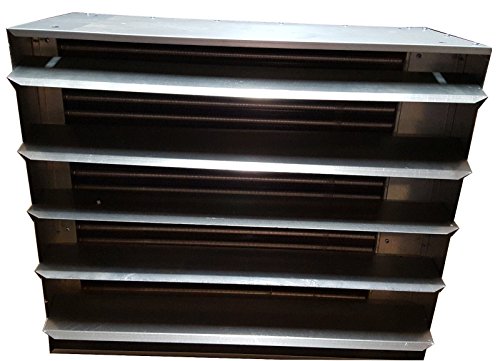
A hydronic air handler is the indoor unit of an HVAC system that warms air using hot water rather than a gas flame or electric resistance element. The hot water comes from a boiler, travels through pipes to a coil inside the air handler, and a blower pushes air across that coil. The warmed air then moves through your home's ductwork.
In many respects it looks like the air handler portion of a conventional forced-air system — same cabinet, same blower, same filter slot, same duct connections. The defining difference is the heating source: a hydronic coil fed by a boiler instead of a heat exchanger fired by fuel or electricity.
Because the same air handler can often include a cooling coil, a single indoor unit can handle both heating and cooling when paired with the right outdoor equipment. This makes it a strong option for homeowners who want one ducted system for year-round comfort.
Quiet Operation
No combustion noise and no burner cycling inside the unit. The blower is often the only sound you hear, and variable-speed models run very quietly.
Even, Gentle Heat
Hot water delivers a steady, comfortable warmth without the temperature swings associated with short-cycling furnaces.
Combined Heating & Cooling
Many units accept both a hot water coil and a cooling coil, so the same cabinet serves all seasons.
No On-Site Fuel Combustion
The heat is generated at the boiler, not in the air handler. This can simplify venting in the mechanical room.
How It Works with Your Boiler
The system is a loop. The boiler heats water and circulates it through supply piping to the air handler. Inside the cabinet, the water passes through a finned coil. A blower draws return air from the home, pushes it across the coil, and the heated air enters the supply ductwork. Cooled water returns to the boiler to be reheated.
Controls coordinate the two pieces of equipment. A thermostat calls for heat, the boiler fires, and a circulator pump moves hot water to the coil. Once the coil reaches temperature, the blower starts. When the call for heat ends, the boiler and blower shut down in sequence.
If the air handler includes a cooling coil, a separate thermostat signal engages the outdoor condenser or chiller, and the same blower distributes cool air. A condensate drain handles the moisture removed during cooling.
Because the boiler and air handler are separate components, each can be selected for its own strengths. This modularity is one reason hydronic systems appeal to homeowners who value flexibility and serviceability.
Key point: The air handler does not generate heat itself. It transfers heat from the boiler's water to the air. That means the boiler's efficiency and the coil's design both influence how well the system performs.
Types and Configurations
Hydronic air handlers come in several physical layouts and feature sets. The right choice depends on your ductwork, mechanical space, and whether cooling is part of the plan.
Upflow, Downflow, and Horizontal
These describe the direction air travels through the cabinet. Upflow units sit in a closet or basement and discharge air upward into supply ducts. Downflow units are common in attics or when the ductwork runs below the unit. Horizontal units lie on their side and suit tight spaces such as crawlspaces or ceiling plenums.
Heating-Only vs. Heating-and-Cooling
A heating-only air handler contains a hot water coil and blower. A heating-and-cooling unit adds a cooling coil, and sometimes a condensate pan and drain connection. If summer comfort matters, choose a model that accommodates cooling from the start rather than trying to retrofit it later.
PSC vs. ECM Blowers
Permanent split capacitor (PSC) motors are the traditional choice and are common in entry-level units. Electronically commutated (ECM) motors cost more upfront but use less electricity and can maintain consistent airflow as the filter loads. Variable-speed ECM blowers are the quietest and most comfortable option, and they are typical of mid-range and premium models.
Market Tiers at a Glance
The table below uses neutral market-position descriptors instead of numeric pricing. Use it to understand where a model sits relative to others in the category.
| Tier | Typical Blower | Best For | Notable Traits |
|---|---|---|---|
| Entry-Level | PSC | Simple heating-only retrofits | Basic controls, straightforward service, solid choice for the tier |
| Mid-Range | ECM | Heating plus cooling in one cabinet | Better electrical efficiency, quieter operation, feature-rich for its class |
| Premium | Variable-speed ECM | Whole-home comfort with zoning | Very quiet, precise airflow control, well-specified for the category |
| High-End Tier | Variable-speed ECM | Large homes and multi-zone systems | Advanced controls, robust cabinet, competitive within its class |
Hydronic vs. Forced-Air Furnace vs. Mini-Split
Understanding the trade-offs helps you decide whether a hydronic air handler is the right fit. The comparison below focuses on how each option delivers heat and what kind of home it suits.
| System | Heat Source | Ductwork Needed | Cooling Option | Best Fit |
|---|---|---|---|---|
| Hydronic air handler | Boiler (hot water) | Yes | Yes, with cooling coil | Homes with a boiler and existing ducts |
| Forced-air furnace | Gas, propane, or electric | Yes | Yes, with evaporator coil | Homes without a boiler |
| Ductless mini-split | Heat pump | No | Yes, built in | Homes without ducts or with room-by-room needs |
| Radiant floor heat | Boiler (hot water) | No | No | New builds and renovations prioritizing silent heat |
If you already own a boiler, adding a hydronic air handler can be a logical way to gain ducted heating and cooling without installing a separate furnace. If you have no ducts and no boiler, a ductless mini-split system often makes more sense because it avoids the expense of new ductwork.
Homes with existing ducts but no boiler may find a conventional furnace more practical. The decision hinges on what equipment you already have and what infrastructure you are willing to add.
Sizing and Selection Criteria
Correct sizing is the single most important factor in comfort and equipment longevity. A unit that is too large will short-cycle, producing uneven temperatures and extra wear. A unit that is too small will run continuously on cold days and may never reach the setpoint.
Start with a Heat Load Calculation
Professional sizing begins with a room-by-room heat load calculation, commonly called a Manual J calculation. It accounts for square footage, ceiling height, insulation levels, window area and orientation, air infiltration, and local climate. The result tells you the heating and cooling capacity the air handler and coil must deliver.
Do not size by square footage alone. Two homes of the same size can have very different loads depending on construction quality and window count. A proper calculation prevents both oversizing and undersizing.
Match the Coil to the Boiler
The hot water coil must be selected for the water temperature your boiler produces and the flow rate available. A coil rated for higher water temperatures may underperform if paired with a low-temperature boiler. Share the boiler's supply temperature and pump capacity with your contractor so the coil can be matched correctly.
Confirm Airflow and Static Pressure
The blower must move the required cubic feet per minute against the resistance of the ductwork, filter, and coil. Ask for the external static pressure rating and compare it with your duct design. Undersized ducts or restrictive filters can reduce airflow and undermine performance.
Plan for Cooling from the Beginning
If cooling is part of your plan, choose an air handler with a cooling coil and condensate drain from the start. Retrofitting cooling later is possible but often more involved than selecting a dual-purpose unit upfront.
Not sure which capacity you need?
Our sizing resources walk you through the calculation step by step, so you can speak confidently with a contractor.
Explore Sizing GuideInstallation Considerations
Installing a hydronic air handler is a job for a qualified HVAC professional. The work involves plumbing, electrical connections, duct connections, and coordination with the boiler. Still, understanding what is involved helps you plan and ask the right questions.
Location and Clearances
Choose a location that provides service access to the coil, blower, filter, and controls. Manufacturers specify minimum clearances for combustible materials and service access. In tight closets, confirm that the filter can be removed and the coil can be cleaned without dismantling ductwork.
Piping and Insulation
Supply and return piping must be properly sized for flow and insulated to prevent heat loss. Air vents and drain valves are typically installed at high and low points. The piping layout should allow the coil to be isolated for service without draining the entire system.
Condensate Management
If the unit includes cooling, a condensate drain with a trap must be installed and pitched to a suitable discharge point. A secondary drain pan and switch add protection against overflow. Confirm local code requirements for condensate disposal.
Electrical and Controls
The air handler needs a dedicated power circuit sized per the nameplate. Low-voltage wiring connects the thermostat, blower, and boiler controls. Confirm that the control sequence is compatible with your boiler's aquastat or zone controller.
Ductwork Compatibility
The air handler must connect to existing ductwork with proper transitions, sealing, and support. Leaky ducts waste energy and can undermine comfort. If your ducts are old or undersized, consider sealing and evaluating them before installation.
For more on selecting a qualified installer and understanding service options, see our guide to HVAC service companies and installation cost breakdown.
Maintenance and Service Schedule
Regular maintenance protects comfort and extends equipment life. A hydronic air handler has fewer combustion-related service items than a furnace, but the coil, blower, and filter still need attention.
Homeowner Tasks
- Replace or clean the air filter every one to three months, depending on filter type and household conditions. A clogged filter reduces airflow and strains the blower.
- Keep the area around the unit clear of stored items that could block airflow or service access.
- Check the condensate drain during cooling season for clogs or algae growth. Flush the trap as directed.
- Listen for unusual sounds such as rattling, squealing, or grinding, and schedule service if they appear.
Professional Service Tasks
- Inspect and clean the hot water coil and cooling coil.
- Check blower motor operation, belt tension if applicable, and electrical connections.
- Verify water flow and temperature differential across the coil.
- Inspect piping, insulation, and valves for leaks or wear.
- Confirm control operation and thermostat calibration.
- Measure airflow and static pressure to confirm performance.
Annual service before the heating season is recommended. If cooling is used, a second visit before summer helps ensure the condensate system and cooling coil are ready. Our HVAC maintenance guide covers broader seasonal checklists.
Advantages and Limitations
Advantages
- Quiet, even heat without combustion noise in the living space
- Can combine heating and cooling in one ducted cabinet
- Works well with existing boiler systems
- Variable-speed blowers improve comfort and efficiency
- No fuel gas piping or flue in the air handler itself
Limitations
- Requires a boiler and hydronic piping in addition to the air handler
- Needs ductwork; not suitable for ductless homes
- Higher upfront complexity than a standalone furnace
- Coil and piping add service items compared with a simple electric air handler
- Performance depends on boiler temperature and water flow
For homeowners with an existing boiler and ducts, the advantages often outweigh the limitations. For others, comparing the total system — boiler, piping, air handler, and ducts — against alternatives like a high-efficiency heat pump system is the right way to decide.
Frequently Asked Questions
What is a hydronic air handler?
A hydronic air handler is an indoor HVAC component that uses hot water from a boiler to warm air, then distributes that heated air through ductwork. It works like a conventional furnace air handler but uses a hot water coil instead of a gas burner or electric element.
Can a hydronic air handler also cool my home?
Yes, many hydronic air handlers are designed with both a hot water coil for heating and a chilled water coil or direct expansion coil for cooling. When paired with a chiller or outdoor condenser, the same air handler can deliver cool air through the same ductwork.
How do I size a hydronic air handler?
Sizing requires a room-by-room heat load calculation, often called a Manual J calculation. Factors include square footage, insulation, window area, climate, and occupancy. An oversized unit causes short cycling, while an undersized unit struggles to maintain comfort on cold days.
How often should a hydronic air handler be serviced?
Professional servicing once per year is recommended, ideally before the heating season. Homeowners should replace or clean the air filter every one to three months and keep the condensate drain clear if cooling is also used.
Is a hydronic air handler a good choice for my home?
It is an excellent choice if you already have a boiler or plan to install one, especially in homes with existing ductwork. It offers even, quiet heat and can combine heating and cooling in a single unit. Homes without ducts may find a ductless mini-split more practical.
What is the difference between a hydronic air handler and a furnace?
A furnace generates heat on-site by burning fuel or using electric resistance. A hydronic air handler receives heat from a boiler via hot water and transfers it to the air. The air handler itself has no burner or flame.
Can I add a hydronic air handler to my existing boiler?
In many cases, yes, provided the boiler has enough capacity and the piping can be extended to the air handler location. A contractor should verify boiler output, water temperature, and pump capacity before proceeding.