HVAC Maintenance: The Complete Homeowner's Guide
Keep your heating and cooling system running efficiently, extend its lifespan, and reduce the risk of unexpected breakdowns with a practical maintenance routine you can actually follow.
Why maintenance matters: An HVAC system is one of the most heavily used and most neglected pieces of equipment in a home. Regular maintenance protects your long-term investment, keeps energy consumption in check, and helps you catch small issues before they become system-ending failures. This guide covers what you can do yourself, what a professional should handle, and how to build a maintenance calendar that fits your household.
Understanding Your HVAC System Before You Maintain It
Before touching anything, it helps to know what you are maintaining. A typical residential system consists of an indoor air handler or furnace, an outdoor condenser unit, a refrigerant line set, ductwork, a thermostat, and a condensate drainage path. Each component has its own maintenance needs, and a healthy system depends on all of them working together.
If your system is aging or has recurring problems, it may be worth reviewing whether local repair services are still the better path compared with a full replacement. Maintenance is the cheapest form of prevention, but it cannot reverse a system that is already past its service life.
Maintenance Frequency and Responsibility at a Glance
| Task | Frequency | Who Does It | Best For |
|---|---|---|---|
| Replace or clean air filter | Every 30–90 days | Homeowner | All systems |
| Clear debris around outdoor unit | Monthly during season | Homeowner | Split and central systems |
| Clean condenser coils | Annually | Homeowner or technician | Outdoor units |
| Check condensate drain | Every 3 months | Homeowner | Cooling mode |
| Inspect electrical connections | Annually | Licensed technician | All systems |
| Check refrigerant charge | Annually | Licensed technician | Split and central systems |
| Lubricate moving parts | Annually | Licensed technician | Blower and fan motors |
| Inspect ductwork for leaks | Every 2–3 years | Technician | Ducted systems |
DIY HVAC Maintenance Tasks You Can Safely Do
These tasks require no special tools beyond a screwdriver, a garden hose, and a vacuum. They deliver an outsized return for the time invested and form the backbone of any maintenance routine.
1. Replace or Clean the Air Filter
The filter is the single most important maintenance item. A clogged filter restricts airflow, forces the blower to work harder, and can freeze the evaporator coil. Standard 1-inch filters should be checked monthly and replaced every 30 to 90 days. Homes with pets, allergy sufferers, or heavy dust should change filters more often. Reusable filters should be washed according to the manufacturer's instructions and fully dried before reinstalling.
2. Keep the Outdoor Unit Clear
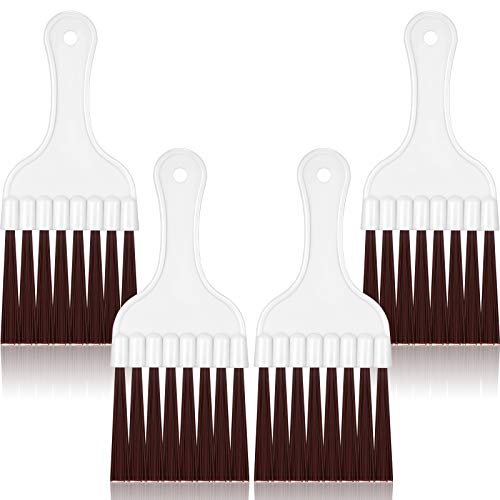
The condenser needs unobstructed airflow. Remove leaves, grass clippings, and debris from around the unit, and keep at least two feet of clearance on all sides. Trim vegetation back and never stack items against the cabinet. A gentle rinse with a garden hose from the top down can remove surface dust, but always turn the system off at the thermostat first.
3. Check the Condensate Drain
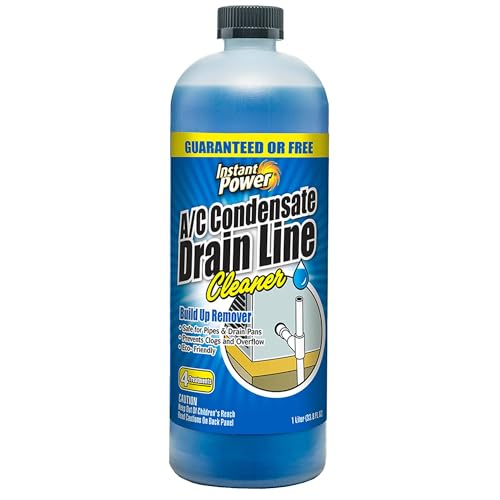
During cooling, moisture collects on the evaporator coil and drains away through a condensate line. Algae and sludge can clog this line, causing water to back up and overflow. Pour a cup of distilled white vinegar down the drain line every few months to keep it clear, and check for standing water in the drain pan.
4. Keep Supply and Return Vents Unobstructed
Furniture, rugs, and curtains blocking vents create pressure imbalances that reduce efficiency and can stress the blower. Walk through each room and confirm that every supply and return register is open and clear. Vacuum the grilles periodically to remove dust buildup.
5. Maintain the Thermostat
Replace thermostat batteries annually, or according to the device's indicator. Clean the interior of the thermostat cover gently with a dry cloth. If you use a programmable or smart thermostat, review the schedule each season to make sure it still matches your household routine.
- Filter checked and replaced or cleaned
- Outdoor unit cleared of debris and vegetation
- Condensate drain flushed and draining freely
- All vents open and unobstructed
- Thermostat batteries fresh and schedule reviewed
Seasonal Maintenance Checklists
Breaking maintenance into seasonal blocks makes it easier to remember. The two critical windows are just before cooling season and just before heating season.
Spring Checklist (Before Cooling Season)
- Schedule a professional cooling tune-up
- Replace the air filter
- Clean the outdoor condenser coil and clear debris
- Test the thermostat in cooling mode
- Flush the condensate drain line
- Inspect and clean indoor vents and grilles
- Check for refrigerant line insulation damage
Fall Checklist (Before Heating Season)
- Schedule a professional heating tune-up
- Replace the air filter
- Test the thermostat in heating mode
- Inspect the heat exchanger if you have a furnace (technician task)
- Clean or replace humidifier pads if applicable
- Check carbon monoxide detectors and replace batteries
- Clear outdoor unit of falling leaves and debris
If your system uses a heat pump rather than a separate furnace and air conditioner, the seasonal routine is similar but the refrigerant cycle reverses. Learn more about heat pump installation and operation to understand the maintenance differences.
What a Professional HVAC Tune-Up Includes
A professional maintenance visit is more than a filter change. A qualified technician performs a systematic inspection of the entire system, from electrical connections to refrigerant pressures. Knowing what is included helps you evaluate whether a service visit is thorough.
| Inspection Area | What the Technician Does | Why It Matters |
|---|---|---|
| Electrical connections | Tightens terminals, checks contactor and capacitor condition | Loose connections cause arcing, overheating, and component failure |
| Refrigerant charge | Measures superheat and subcooling against manufacturer specs | Incorrect charge reduces efficiency and can damage the compressor |
| Coils | Cleans evaporator and condenser coils | Dirty coils reduce heat transfer and raise energy consumption |
| Blower motor | Checks amperage draw, lubricates bearings where applicable | Failing motors cause airflow problems and premature breakdowns |
| Condensate system | Flushes drain line, checks pan and float switch | Prevents water damage and mold growth |
| Ductwork | Visual inspection for leaks, disconnected runs, and insulation damage | Leaky ducts waste conditioned air and reduce comfort |
| Controls and safety | Tests thermostat calibration, limit switches, and safety devices | Ensures safe and predictable operation |
If you do not yet have a trusted provider, it is worth comparing HVAC service providers before you need one in an emergency. Building a relationship with a reliable company makes scheduling maintenance simpler and often results in priority service when something fails.
When to Call a Professional Instead of DIY
Some maintenance tasks are safe for any homeowner. Others require licensing, specialized tools, and refrigerant handling certification. Attempting the wrong task can be dangerous and can void your warranty.
- Any work involving refrigerant lines or refrigerant charge
- Electrical diagnostics inside the air handler or condenser cabinet
- Compressor testing or replacement
- Heat exchanger inspection on a gas furnace
- Gas line connections or combustion analysis
- Ductwork modifications or sealing beyond simple tape repairs
- Any issue you cannot reproduce or explain clearly
If your system is making unusual noises, tripping breakers, or failing to keep up with demand, it is better to call a qualified HVAC repair technician than to guess. Early intervention is almost always less disruptive than waiting for a full failure.
Maintenance-Related Problems and What They Usually Mean
| Symptom | Likely Maintenance Cause | Suggested Action |
|---|---|---|
| Weak airflow from vents | Clogged filter or blocked return | Replace filter, clear obstructions |
| System runs but does not cool | Low refrigerant, dirty coil, or failing capacitor | Call a technician for diagnosis |
| Water pooling near indoor unit | Clogged condensate drain | Flush the drain line |
| Frozen refrigerant lines | Restricted airflow or low refrigerant | Turn system off, replace filter, call technician |
| Musty smell when running | Microbial growth in ductwork or on coil | Inspect for mold in HVAC ductwork |
| Higher than usual energy use | Dirty coils, failing parts, or duct leaks | Schedule a professional tune-up |
Maintenance Approaches by System Tier
Not every system needs the same intensity of care. The appropriate maintenance approach depends on the equipment's position in the market and its expected service life.
Entry-level Entry-level systems generally benefit from the standard annual tune-up plus diligent filter changes. Because these units often operate closer to their design limits, small inefficiencies compound faster. Homeowners with entry-level equipment should be especially consistent about monthly filter checks.
Mid-range Mid-range systems often include variable-speed components or two-stage operation, which are sensitive to airflow and charge accuracy. A twice-yearly professional visit is a reasonable baseline, alongside the same DIY tasks. These units reward careful maintenance with noticeably better efficiency retention over time.
Premium Premium and high-end tier systems frequently include advanced controls, communicating thermostats, and inverter-driven compressors. Their maintenance should include firmware and control checks in addition to the mechanical tasks. Skipping maintenance on premium equipment is a false economy; the long-term investment is only realized when the system is kept within its design parameters.
Not Sure Your System Is Ready for the Season?
If your equipment is older, has been skipped for maintenance, or is showing warning signs, a professional assessment is the safest next step. Compare local options and request a maintenance visit before peak season.
Compare Local HVAC OptionsHow Maintenance Extends System Lifespan
Manufacturers typically publish expected service lives for their equipment, but those figures assume regular maintenance. In practice, systems that receive consistent care routinely outlast neglected systems by several years. The mechanism is straightforward: clean coils and correct refrigerant charge reduce compressor load, fresh filters reduce blower strain, and early detection of failing capacitors or contactors prevents cascading damage.
If your system is already approaching the end of its expected life, maintenance still has value, but it should be paired with a realistic replacement plan. Reviewing replacement considerations before a failure occurs gives you time to compare options rather than making a rushed decision.
Frequently Asked Questions About HVAC Maintenance
How often should HVAC maintenance be performed?
Professional maintenance should happen at least once a year, ideally twice: once before cooling season and once before heating season. DIY filter checks should happen every 30 to 90 days depending on usage, pets, and dust levels in the home.
How often should I replace my HVAC filter?
Standard 1-inch filters should be replaced every 30 to 90 days. Homes with pets, allergy sufferers, or high dust levels need more frequent changes. Thicker pleated filters may last three to six months depending on the MERV rating and the manufacturer's guidance.
Can I perform HVAC maintenance myself?
Yes, many tasks are safe for homeowners: replacing filters, cleaning the exterior condenser unit, clearing debris, checking the condensate drain, and keeping vents unobstructed. Refrigerant handling, electrical diagnostics, and compressor work should always be left to licensed technicians.
What happens if I skip HVAC maintenance?
Skipping maintenance leads to reduced efficiency, higher energy consumption, more frequent breakdowns, shortened equipment lifespan, and potential warranty issues. Dirty coils and clogged filters force the system to work harder, accelerating wear on the compressor.
Does maintenance affect my warranty?
Many manufacturer warranties require documented maintenance to remain valid. Keep records of professional service visits and filter changes. If a warranty claim arises, the ability to show a maintenance history can make the difference between approval and denial.
Should I maintain a heat pump differently from an air conditioner?
Heat pumps run year-round in both heating and cooling modes, so they generally benefit from two professional visits per year rather than one. The DIY tasks are the same. Systems with cold-climate heat pump technology should also have their defrost cycle and outdoor sensor checked during the fall visit.
Building a Maintenance Routine That Sticks
The most effective maintenance plan is the one you actually follow. A practical approach is to anchor tasks to seasons rather than to specific dates. When the clocks change in spring, replace the filter and schedule the cooling tune-up. When they change in fall, replace the filter again and schedule the heating tune-up. Put the condensate drain flush on the same day each quarter. These simple anchors turn maintenance from a vague intention into a repeating habit.
For households that want a more structured arrangement, many providers offer maintenance plans that bundle seasonal visits and priority scheduling. Comparing HVAC service companies and their plan offerings is a reasonable way to decide whether a formal agreement fits your situation better than ad-hoc scheduling.