Ideal Humidity for Your Home
Discover the ideal relative humidity range for a comfortable, healthy, and energy-efficient home — and learn how to measure, control, and maintain it with your air conditioner and dehumidifier.
EXPLORE THE GUIDEQuick answer: The ideal indoor relative humidity for most homes is 30% to 50%. This range keeps occupants comfortable, discourages mold and dust mites, and protects wood, paint, and electronics. Anything above 60% invites moisture problems; anything below 30% creates dry-air discomfort.
The Ideal Humidity Range for Your Home
Relative humidity (RH) describes how much water vapor the air holds compared to the maximum it could hold at that temperature. Indoor RH is a balancing act: too little moisture causes dryness and static, while too much encourages condensation, mold, and musty odors.
HVAC professionals, building scientists, and health organizations generally converge on a comfortable band between 30% and 50% relative humidity. Many homeowners find 40% to 45% to be the most comfortable setting year-round.
| Relative Humidity | Comfort Tier | Typical Effect | Best For |
|---|---|---|---|
| Below 30% | Too Dry | Dry skin, static, wood shrinkage | Adding a humidifier |
| 30% – 50% | Ideal | Comfortable, healthy, stable | Most homes year-round |
| 50% – 60% | Elevated | Slightly sticky; mold risk begins | Short-term transitional weather |
| Above 60% | Too Humid | Mold, dust mites, condensation | Dehumidification required |
Keep in mind that the ideal target can shift slightly with the season. In winter, slightly lower humidity (around 30%–40%) helps prevent window condensation in cold climates. In summer, keeping RH around 40%–50% improves cooling comfort so you can set the thermostat a little higher without sacrificing comfort.
Why Indoor Humidity Matters
Humidity is not just a comfort metric — it directly affects your health, your home's structure, and your energy consumption. Understanding the consequences of humidity imbalance helps you justify investing in the right controls.
Health and Comfort
- Respiratory comfort: Balanced humidity keeps mucous membranes moist and supports natural defense against airborne irritants.
- Allergen control: Dust mites thrive above 50% RH. Keeping humidity below that threshold reduces their population significantly.
- Skin and eyes: Air that is too dry causes itchy skin, dry eyes, and irritated sinuses — common complaints in winter-heated homes.
- Perceived temperature: High humidity makes warm air feel hotter because sweat evaporates more slowly. Low humidity can make a room feel cooler than the thermostat suggests.
Structural Protection
- Mold and mildew: Mold spores need moisture to colonize surfaces. Sustained humidity above 60% creates ideal conditions for growth on drywall, wood, and fabric.
- Wood movement: Hardwood floors and furniture expand and contract with humidity swings, leading to gaps, cupping, and cracks.
- Condensation: Excess moisture condenses on windows, cold pipes, and exterior walls, leading to water damage and rot over time.
- HVAC system health: High humidity in ductwork can contribute to mold in HVAC ductwork, which is both a health and an efficiency problem.
Energy Efficiency
- A dehumidified home feels cooler at a higher thermostat setting, which reduces cooling demand.
- Proper humidity control helps your air conditioner run more efficiently by reducing the latent load it must handle.
- Efficient humidity management pairs well with broader energy-efficient heating and cooling systems.
Signs Your Home's Humidity Is Off Balance
Before you reach for a hygrometer or a dehumidifier, look for the physical clues your home gives you. These signs often appear before you notice discomfort consciously.
Signs of Excess Humidity
- Condensation on windows, mirrors, or cold water pipes
- Musty or damp odors, especially in basements and closets
- Visible mold or mildew on walls, ceilings, or grout
- Peeling paint or bubbling wallpaper
- Sticky, clammy feeling indoors even when the AC is running
- Wood floors or furniture that feel damp or show swelling
Signs of Low Humidity
- Frequent static shocks when touching door handles or fabrics
- Dry, cracked skin and chapped lips
- Itchy eyes, dry throat, and increased sinus irritation
- Gaps appearing in hardwood floors or joints in furniture
- Indoor plants with browning leaf tips
- Increased dust in the air
Tip: If you notice these signs in multiple rooms, it is time to measure humidity with a hygrometer and consider a whole-home or room-specific solution. For persistent dampness, a dedicated unit such as a dehumidifier for your house may be the most effective fix.
How to Measure Indoor Humidity
You cannot manage what you do not measure. Fortunately, measuring indoor humidity is straightforward and does not require professional equipment.
Hygrometer Basics
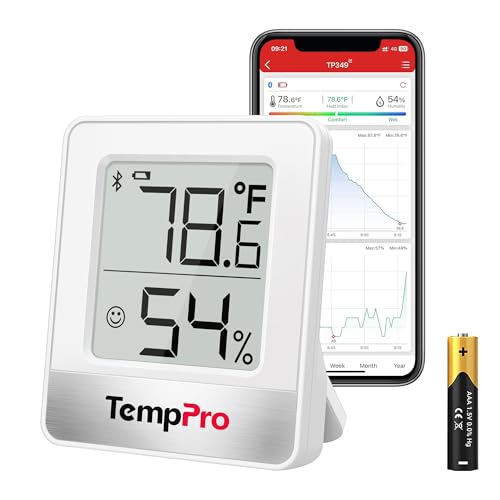
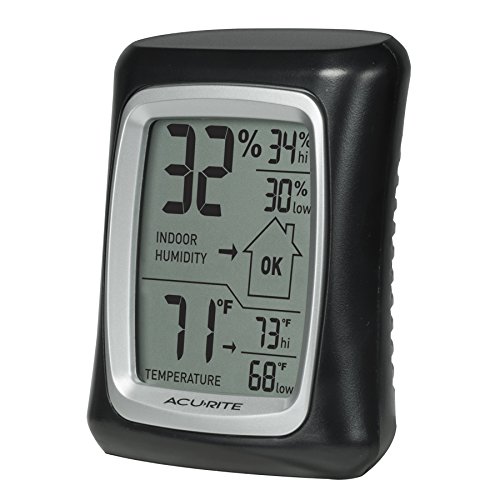
- Digital hygrometers are the most common and easiest option. Many also display temperature and can log historical data.
- Smart monitors connect to your phone and provide alerts when humidity drifts outside your target range.
- HVAC-integrated sensors are available on many modern thermostats and can automate dehumidification or humidification.
Where and When to Measure
- Place monitors in the rooms you use most: living room, bedroom, and basement.
- Avoid placing sensors directly next to vents, windows, or exterior doors where readings will be skewed.
- Take readings at different times of day. Humidity often peaks in the morning and drops in the afternoon.
- Record readings over a week to identify patterns and seasonal shifts.
Once you understand your home's humidity profile, you can decide whether passive measures (ventilation, exhaust fans, air sealing) are enough or whether active equipment is needed.
How Your Air Conditioner Affects Humidity
Air conditioners do more than cool the air — they also remove moisture. As warm, humid air passes over the cold evaporator coil, water vapor condenses and drains away. This is why a well-functioning AC naturally lowers indoor humidity.
When an AC Dehumidifies Well
- The unit is correctly sized for the space and runs in long, steady cycles.
- The air filter is clean and airflow is not restricted.
- The condensate drain line is clear and the drain pan is not clogged.
- The system uses a variable-speed or multi-stage compressor that can run at lower capacity for longer periods.
When an AC Fails to Dehumidify
- Oversized units: A system that is too large cools the room quickly and shuts off before it removes enough moisture. This is a common cause of a "cold but clammy" feeling.
- Short cycling: Frequent on-off cycles reduce dehumidification time.
- Dirty coils or filters: Restricted airflow prevents proper heat exchange and moisture removal.
- Refrigerant issues: Low refrigerant reduces the coil's ability to condense water vapor.
If your AC cools but the room still feels sticky, the issue may be sizing, maintenance, or design rather than the AC's cooling capacity itself. Our guide on how to size an air conditioner explains how proper sizing improves both comfort and dehumidification.
Consider an inverter system: Inverter-driven air conditioners modulate compressor speed to match the load, allowing longer run times and better moisture removal. Learn more in our inverter vs non-inverter comparison.
Dehumidifiers and Humidity Control Solutions
When your AC alone cannot keep humidity in the ideal range, dedicated dehumidification becomes the practical answer. The right solution depends on the size of the problem and the layout of your home.
Types of Dehumidifiers
- Portable dehumidifiers: Best for single rooms, basements, or closets. Easy to move and install.
- Whole-home dehumidifiers: Integrated with your HVAC system to treat the entire home's air. Ideal for consistently humid climates or well-sealed homes.
- Desiccant dehumidifiers: Effective in cooler spaces such as basements and crawl spaces where compressor-based units lose efficiency.
Choosing the Right Capacity Tier
Dehumidifier capacity is rated in pints of moisture removed per day. Rather than focusing on specific numbers, think in terms of tier:
- Entry-level tier: Suitable for small rooms, closets, and mild dampness.
- Mid-range tier: Balanced choice for basements and larger living areas with moderate humidity issues.
- High-end tier: Heavy-duty units for large basements, crawl spaces, or persistently damp environments.
- Whole-home tier: Integrated systems for comprehensive, automatic humidity control.
Humidifiers for Dry Homes
If your problem is the opposite — dry winter air — a humidifier restores moisture. Portable humidifiers work well for single rooms, while whole-home humidifiers integrate with your HVAC system for consistent comfort.
For crawl space moisture issues specifically, see our dedicated guide on ideal humidity in crawl space.
Room-by-Room Humidity Considerations
Different spaces in your home have different moisture profiles. A single whole-home target is a good baseline, but local conditions may require adjustments.
| Space | Typical Challenge | Recommended Approach |
|---|---|---|
| Living room & bedrooms | Comfort and allergen control | Maintain 40%–50% RH with HVAC and smart monitoring |
| Basement | Cool surfaces, persistent dampness | Use a mid-range or high-end portable dehumidifier with continuous drain |
| Crawl space | Ground moisture, poor ventilation | Encapsulation plus a dedicated dehumidifier |
| Bathroom | Shower steam and splashes | Run exhaust fan during and after showers |
| Kitchen | Cooking moisture and steam | Use range hood vented outdoors |
| Attic | Heat and ventilation issues | Improve ventilation; address roof leaks promptly |
For spaces where an AC is not an option, such as rooms without windows, see our guide on air conditioning without a window for alternative cooling and moisture control strategies.
Seasonal Humidity Management Tips
Spring and Summer
- Keep windows closed during humid days and run the AC or dehumidifier instead.
- Use exhaust fans in bathrooms and kitchens to remove moisture at the source.
- Check that your AC condensate drain is clear and draining properly.
- Set your thermostat fan to "auto" rather than "on" to avoid re-evaporating moisture from the coil.
- Inspect basements and crawl spaces for dampness after heavy rain.
Fall and Winter
- Use a humidifier if indoor RH drops below 30% during heating season.
- Monitor for window condensation — a sign that indoor humidity is too high for outdoor temperatures.
- Seal air leaks around windows and doors to reduce moisture intrusion and drafts.
- Keep gutters clear and ensure proper drainage away from the foundation.
- Schedule professional HVAC maintenance to ensure your system is ready for seasonal transitions.
Year-Round Best Practices
- Use a hygrometer or smart monitor to track humidity continuously.
- Fix plumbing leaks promptly, no matter how small.
- Vent clothes dryers and other moisture-producing appliances outdoors.
- Keep indoor plants in check — overwatering and dense foliage can raise local humidity.
- Consider professional HVAC service companies for comprehensive humidity assessments if problems persist.
Frequently Asked Questions
What is the ideal humidity level for a home?
The ideal indoor relative humidity for most homes is between 30% and 50%. This range balances comfort, health, and structural protection against mold and moisture damage. Many homeowners find 40%–45% the most comfortable setting year-round.
Can an air conditioner control humidity?
Yes. A properly sized air conditioner removes moisture as it cools the air. However, if the unit is oversized or runs only briefly, it may not dehumidify effectively, and a dedicated dehumidifier may be needed. Proper sizing and regular maintenance are key to effective moisture removal.
What happens if indoor humidity is too high?
High indoor humidity above 60% can cause mold growth, dust mites, musty odors, condensation on windows, and a sticky, uncomfortable feeling even at moderate temperatures. It can also damage wood floors and furniture over time.
What happens if indoor humidity is too low?
Low humidity below 30% can cause dry skin, irritated eyes and throat, static electricity, and damage to wooden furniture and flooring. A humidifier can help restore balance, especially during heating season.
Should I run my AC fan on "auto" or "on" for humidity control?
"Auto" is generally better for humidity control. When the fan is set to "on," it continues to blow air after the compressor stops, which can re-evaporate moisture from the wet coil back into the air. "Auto" allows the coil to drain properly between cycles.
Do I need a dehumidifier if I have central air conditioning?
Not always, but many homes benefit from one — especially in humid climates or when the AC is oversized. A central AC removes moisture during cooling cycles, but during mild weather when the AC runs less, humidity can rise. A whole-home dehumidifier addresses this gap.
How often should I check indoor humidity?
Check humidity at least weekly during humid or dry seasons. Smart monitors can track it continuously and alert you when levels drift outside your target range. Seasonal changes often require adjustments to your humidity management strategy.
Can humidity affect my energy bills?
Yes. High humidity makes your home feel warmer, prompting you to lower the thermostat, which increases energy use. Conversely, balanced humidity allows you to set a slightly higher thermostat while maintaining comfort — reducing cooling energy demand.
Take Control of Your Home's Humidity
Balanced humidity is one of the simplest and most impactful improvements you can make for comfort, health, and energy efficiency. Measure first, then choose the right solution for your space.
Learn About Dehumidifiers