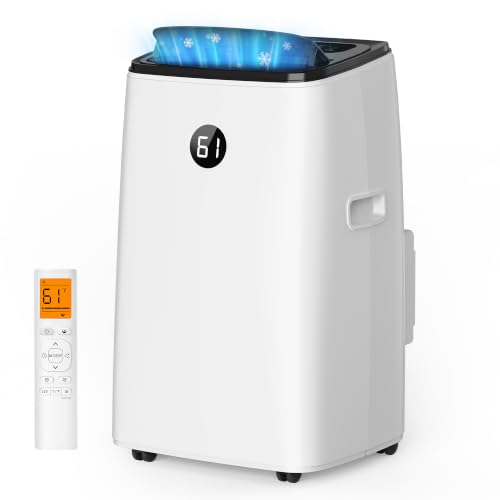
Most Energy Efficient Portable Air Conditioner: A Complete Buyer's Guide
Understand EER ratings, dual-hose design, inverter compressors, and smart features so you can choose a portable AC that delivers strong cooling while keeping electricity use under control.
Why this guide matters: A portable air conditioner is only as good as its efficiency. Two units with the same cooling capacity can consume very different amounts of electricity depending on their compressor design, hose configuration, and control electronics. This guide explains exactly what to look for so you can identify the most energy efficient portable air conditioner for your room, climate, and usage pattern.
What Makes a Portable Air Conditioner Energy Efficient?
Portable air conditioners are evaluated on several efficiency metrics, and no single specification tells the whole story. The most energy efficient portable air conditioner models typically combine a high efficiency ratio, an inverter-driven compressor, a dual-hose exhaust system, and intelligent control features. Understanding how these elements interact helps you compare models on equal footing.
1. EER and CEER Ratings
EER, or Energy Efficiency Ratio, is calculated by dividing cooling output in BTU by electrical input in watts. A higher EER means more cooling per watt consumed. For portable units, CEER (Combined Energy Efficiency Ratio) is often used because it accounts for standby power and part-load operation. When comparing models, look for the highest CEER available in the capacity class you need. A unit with a notably higher CEER will consume less electricity over a cooling season, making it the stronger long-term investment.
2. Inverter Compressor Technology
Traditional portable ACs use fixed-speed compressors that cycle on and off at full power. Inverter compressors adjust speed continuously, matching output to demand. This modulation avoids the energy spike of repeated startup cycles and maintains a more stable room temperature. Inverter-driven models are consistently among the most energy efficient portable air conditioners because they reduce peak electrical draw and part-load consumption.
3. Dual-Hose vs. Single-Hose Design
A single-hose portable AC exhausts hot air outdoors, creating negative pressure that pulls hot outside air back into the room through gaps and cracks. A dual-hose design uses one hose for intake and one for exhaust, balancing airflow and preventing this infiltration. The result is less compressor strain and better cooling efficiency. If efficiency is your priority, a dual-hose configuration is strongly preferred and is a defining feature of the most efficient dual hose portable air conditioner models.
4. Smart Controls and Programmability
Programmable timers, sleep modes, and Wi-Fi connectivity allow you to run the unit only when needed and at optimal settings. These features may seem minor, but they reduce wasted runtime and contribute meaningfully to overall energy savings across a season. Look for models with adjustable fan speeds and eco modes that automatically balance cooling and power draw.
Efficiency Tiers: How to Classify Portable AC Models
To compare models without relying on fluctuating market figures, it helps to think in terms of efficiency tiers. The table below describes how portable air conditioners generally group by design and performance class.
| Tier | Typical Design | Efficiency Characteristics | Best For |
|---|---|---|---|
| Entry-level | Single-hose, fixed-speed compressor | Basic CEER; higher runtime and greater negative-pressure losses | Occasional use in small rooms or temporary setups |
| Mid-range | Dual-hose or improved single-hose, programmable controls | Better CEER; reduced infiltration and smarter scheduling | Regular seasonal use in bedrooms and living areas |
| High-end tier | Dual-hose with inverter compressor and smart controls | Highest CEER in class; variable-speed modulation and eco modes | Daily use where long-term efficiency is the priority |
| Flagship tier | Dual-hose inverter with advanced sensors and app integration | Top-tier efficiency plus precise climate control and scheduling | Whole-room comfort with maximum energy discipline |
How to Size a Portable AC for Efficiency
An oversized portable AC cools the room quickly but cycles frequently, which wastes energy and leaves humidity higher than ideal. An undersized unit runs continuously without reaching the set temperature, which also wastes energy. Proper sizing is the foundation of efficient operation.
As a general guide, estimate cooling capacity using room area and heat load factors:
- Up to 150 sq ft: around 5,000–6,000 BTU
- 150–250 sq ft: around 8,000–10,000 BTU
- 250–400 sq ft: around 12,000–14,000 BTU
Adjust upward for sunny exposures, kitchens, rooms with many occupants, or poor insulation. For a deeper walkthrough, see the guide on how to size an air conditioner. If you are comparing compact solutions for a small space, the overview of the most energy efficient small air conditioner is a useful companion read.
Features That Directly Reduce Energy Consumption
Beyond the compressor and hose design, several practical features separate the most energy efficient portable air conditioners from average models:
- Adjustable and auto fan speeds: Auto fan mode lowers airflow once the set temperature is reached, reducing electricity draw without sacrificing comfort.
- Sleep mode: Gradually raises the set temperature overnight, which reduces compressor workload during the hours when the body naturally cools.
- Programmable timer: Runs the unit only during occupied hours and shuts it off automatically, eliminating unnecessary runtime.
- Eco mode: Cycles the compressor more conservatively to balance cooling and power use.
- Wi-Fi and app control: Allows remote scheduling and monitoring, helping you avoid leaving the unit running when it is not needed.
- Washable filters: Clean filters maintain airflow, which keeps the evaporator coil efficient and prevents the compressor from working harder than necessary.
Installation and Placement for Maximum Efficiency
Even the most energy efficient portable air conditioner loses efficiency if it is installed poorly. Follow these practical steps:
- Seal the window kit: Gaps around the exhaust hose allow hot outdoor air to enter. Use the window sealing plate and insulation to close gaps tightly.
- Keep hoses short and straight: Long, kinked, or looping hoses restrict airflow and force the compressor to work harder. Position the unit as close to the window as practical.
- Shade the unit and the room: Direct sunlight on the unit or the room increases heat load. Close blinds during peak sun and keep the unit out of direct sunlight.
- Maintain clearance: Leave space around the air intake and exhaust for unrestricted airflow.
- Clean the filter regularly: Rinse washable filters every two weeks during heavy use to maintain airflow and efficiency.
For broader guidance on portable unit selection, the overview of the most efficient portable air conditioner covers additional selection criteria, and the guide to the most energy efficient portable air conditioners compares efficiency priorities across model classes.
Portable AC vs. Other Efficient Cooling Options
Portable air conditioners are flexible and require no permanent installation, but they are not always the most efficient cooling solution. If you have a window that accepts a unit, a window AC typically delivers a higher CEER for the same capacity because the compressor and condenser sit outside the conditioned space. For rooms where a window unit is not feasible, a ductless mini-split offers superior efficiency and quieter operation. The guide to the most energy efficient air conditioner window unit explains the window option, while the overview of the most energy efficient mini split air conditioner covers ductless systems.
For a whole-home perspective, the resource on the most energy efficient air conditioning system explains how central and ductless systems compare. If you are evaluating whether a portable unit fits a broader plan, the guide to the most efficient way to use air conditioning covers operational habits that reduce energy use across system types.
Maintenance Habits That Preserve Efficiency
Efficiency degrades quietly when maintenance is neglected. Keep your portable AC operating near its rated efficiency with a simple routine:
- Clean or replace the filter every two weeks during peak season.
- Check and clean the exhaust hose and window kit for blockages.
- Inspect the condenser coil area for dust buildup and vacuum as needed.
- Drain the condensate tank promptly so the unit does not shut off or operate inefficiently.
- Store the unit properly during the off-season to protect components.
These habits keep airflow strong and reduce compressor strain, which is essential for maintaining the efficiency advantages of high-end tier models.
Frequently Asked Questions
What makes a portable air conditioner energy efficient?
A portable air conditioner is considered energy efficient when it combines a high EER or CEER rating, inverter-driven compressor technology, dual-hose configuration, and smart thermostat features. These elements work together to reduce electricity consumption while maintaining adequate cooling output.
Is a dual-hose portable AC more efficient than a single-hose unit?
Yes, dual-hose portable air conditioners are generally more efficient than single-hose models. A dual-hose design separates intake and exhaust airflow, preventing negative pressure in the room that pulls in hot outdoor air. This balanced airflow reduces compressor workload and improves overall cooling efficiency.
How does EER rating affect portable AC efficiency?
EER, or Energy Efficiency Ratio, measures cooling output relative to electricity consumed. A higher EER means the unit produces more cooling per unit of electricity. When comparing portable AC models, a higher EER directly translates to lower energy consumption for the same cooling capacity.
Do inverter portable air conditioners use less energy?
Inverter portable air conditioners use variable-speed compressors that adjust output based on real-time cooling demand. Instead of cycling on and off at full power, the compressor modulates its speed. This reduces peak energy draw and maintains a more stable room temperature, which lowers overall energy use compared to fixed-speed units.
Ready to compare energy efficient portable air conditioners side by side?
Explore Recommended Models