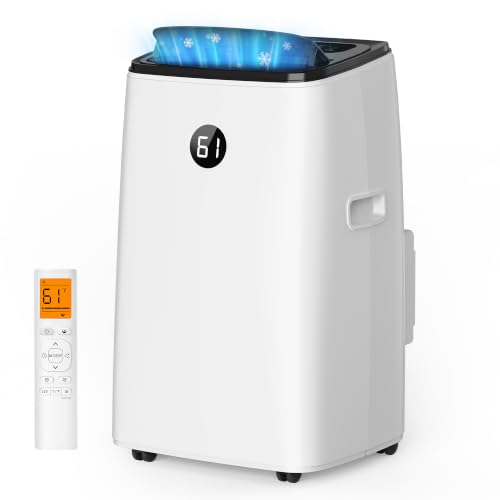
Most Efficient Portable Air Conditioner: A Complete Buyer's Guide
Understand what truly makes a portable air conditioner efficient, compare dual-hose and single-hose designs, learn how to size a unit correctly, and make a confident purchase decision.
START LEARNINGWhy this guide matters: Portable air conditioners vary widely in how effectively they cool a room. Two units with the same BTU rating can perform very differently depending on hose design, compressor type, and how well the window kit seals. This page explains the factors that separate a genuinely efficient unit from one that merely looks efficient on paper.
What Makes a Portable Air Conditioner Efficient?
Efficiency in a portable air conditioner is not a single number. It is the result of several design decisions working together: how the unit draws in air for its condenser, how the compressor modulates its output, how well the exhaust path is sealed, and how accurately the thermostat reads room temperature. A unit that scores well on one of these factors but poorly on another will not deliver the efficiency its specification sheet implies.
The single most important structural difference is hose configuration. Single-hose portable units draw condenser cooling air from inside the room, then exhaust it outside. That process creates negative pressure, which pulls warm outdoor air back in through gaps around doors and windows. Dual-hose units separate the intake and exhaust paths, so the condenser is cooled by outdoor air and the conditioned room is not depressurized. In real installations, this distinction often matters more than a small difference in the rated EER.
Efficiency Metrics That Actually Matter
Portable air conditioner specifications can be difficult to compare because manufacturers report different numbers. Focus on the metrics below and ignore marketing language that is not backed by a verifiable rating.
EER (Energy Efficiency Ratio)
Cooling output divided by electricity input at a fixed test condition. Higher is better. Compare EER values only within the same BTU class, since the ratio changes with capacity.
CEER (Combined EER)
A seasonal metric that accounts for standby power and part-load operation. It gives a more realistic picture of efficiency across a cooling season than a single-point EER.
BTU Capacity
The raw cooling output. A higher BTU rating is not automatically better; an oversized unit short-cycles, dehumidifies poorly, and wastes energy.
Dehumidification Rate
Expressed in pints per day. In humid climates, effective moisture removal is a major part of perceived comfort and reduces the need to run the unit at a low setpoint.
For a broader discussion of how efficiency ratings translate into real-world performance, the article on window air conditioner energy efficiency ratings covers the underlying concepts, which apply equally to portable units.
Dual-Hose vs Single-Hose: The Decisive Design Choice
This is the first specification to check when comparing portable air conditioners. The table below summarizes how the two designs differ in practice.
| Factor | Single-Hose Design | Dual-Hose Design |
|---|---|---|
| Condenser air source | Draws air from the conditioned room | Draws air from outside through a second hose |
| Room pressure effect | Creates negative pressure that pulls in warm outdoor air | Balanced pressure; no infiltration through gaps |
| Real-world cooling efficiency | Lower than the rated value in most rooms | Closer to the rated value; more consistent performance |
| Installation complexity | Simple; one hose to the window | Requires a wider window kit for two hoses |
| Best fit | Small rooms, occasional use, tight window space | Larger rooms, extended use, efficiency-focused buyers |
If the window opening is narrow or unusually shaped, the choice of vent kit matters as much as the unit itself. The guide to window panels for portable air conditioners explains how to seal the opening properly, and the overview of window vents for portable air conditioners covers kit options for different window types.
Compressor Technology and Part-Load Efficiency
Most portable air conditioners use a fixed-speed rotary compressor. A growing number of premium models use inverter-driven compressors that vary their speed to match the load. The practical difference is significant in rooms where the cooling demand changes through the day.
Fixed-Speed Compressors
The compressor runs at full output or not at all. In mild conditions the unit cycles on and off, which causes temperature swings and reduces dehumidification. Entry-level and mid-range portable units typically use this design.
Inverter Compressors
The compressor modulates its speed continuously. The unit holds a steadier temperature, runs at lower average power, and dehumidifies more consistently. Top-tier portable models use this technology, and it is one of the clearest indicators of a genuinely efficient design. For background on how the technology works in a broader context, see the explanation of the AC refrigerant cycle.
Sizing a Portable AC for Real Efficiency
An oversized portable air conditioner is a common mistake. It cools the air quickly, shuts off before removing much moisture, and then restarts shortly afterward. The result is a room that feels clammy and a unit that runs inefficiently. Undersized units run continuously and never reach the setpoint on hot days.
Start with the room's square footage and ceiling height, then adjust for:
- Direct sun exposure through windows
- Number and quality of windows
- Insulation level of walls, ceiling, and floor
- Number of occupants and heat-generating appliances
- Whether the room is a kitchen or has a large west-facing window
Portable units are typically rated in BTU, and the correct capacity for a given room is smaller than many buyers assume. A detailed walkthrough of capacity selection is available in the guide on how to size an air conditioner. For rooms on the smaller end of the range, the overview of air conditioning units for small spaces adds useful context.
Installation Details That Protect Efficiency
Even a well-designed portable air conditioner underperforms if the exhaust path leaks. The following steps are straightforward and have an outsized effect on performance.
Seal the Window Kit Thoroughly
The window panel should fit snugly with no gaps around its edges. Weatherstripping or foam tape along the frame closes small leaks that otherwise let hot outdoor air enter. The universal adjustable window sealing plate is a practical accessory for windows that do not match the stock kit.
Insulate the Exhaust Hose
The exhaust hose carries hot air and radiates heat into the room along its length. A fabric or foil sleeve over the hose reduces that radiant gain, which is especially noticeable in small rooms.
Match the Exhaust to the Window Type
Sliding windows, casement windows, and sliding doors each need a different kit. Using the wrong kit leaves gaps that undermine efficiency. The article on window exhaust for portable air conditioners explains the options in detail.
Keep Doors and Windows Closed
Portable units are most efficient when they cool a single, closed room. Running one with a door open to a hallway or stairwell effectively cools the whole floor, which the unit was not sized to do.
Maintenance That Keeps Efficiency High
Portable air conditioners accumulate dust quickly because they sit on the floor and draw in room air. A simple routine preserves performance.
- Filters: Clean or replace every two to four weeks during heavy use. A clogged filter restricts airflow and forces the compressor to run longer.
- Condensate: Empty the drain tank before it fills, and use continuous drain mode where possible. A full tank shuts the unit off.
- Coils: Inspect the evaporator and condenser coils seasonally. Dust buildup reduces heat transfer and lowers efficiency.
- Hose and kit: Check the exhaust hose and window kit for cracks or gaps at the start of each season.
The broader checklist in the AC maintenance guide covers tasks that apply across portable and window units alike.
A Practical Buying Checklist
Use this checklist when comparing portable air conditioner options. It keeps the evaluation focused on design and performance rather than marketing claims.
Dual-Hose Design
Confirm the unit has two hoses — one intake and one exhaust. This is the clearest structural indicator of real-world efficiency.
Inverter Compressor
If the budget allows, prioritize a model with a variable-speed compressor. It holds temperature more steadily and runs at lower average power.
Verified EER or CEER
Look for an efficiency rating backed by a recognized certification body. Compare within the same BTU class for a fair evaluation.
Correct BTU for the Room
Match capacity to the calculated load. Oversized units waste energy and dehumidify poorly.
Complete Window Kit
Check that the included kit fits your window type. A poor fit undoes the efficiency gains of a well-designed unit.
Drain Options
Continuous drain capability and a reasonably sized tank reduce interruptions and make extended use more practical.
When a Portable Unit Is Not the Most Efficient Choice
Portable air conditioners are convenient, but they are generally less efficient than window units or mini-splits because the compressor and condenser sit inside the room. If a window installation is possible, a window unit will usually deliver better efficiency for the same cooling output. For homes without suitable windows, a ductless mini-split is a more efficient long-term option, and the overview of ductless mini-split system air conditioners explains the trade-offs.
In very humid climates, the ability to remove moisture matters as much as raw cooling capacity. The discussion of outdoor cooling systems for humid climates provides useful context on how dehumidification changes the buying decision.
Buyers who need cooling in a space with no window at all should review the options for a portable AC unit that does not need a window. Those solutions rely on a wall vent or a sliding-door kit rather than a standard window panel.
Frequently Asked Questions
What makes a portable air conditioner efficient?
Efficiency is driven by the EER or CEER rating, a dual-hose design that separates intake and exhaust air, a variable-speed compressor, and a well-sealed window vent kit. Together these reduce wasted cooling and shorten run times.
Is a dual-hose portable air conditioner more efficient than a single-hose unit?
Yes. A dual-hose design draws condenser cooling air from outside instead of from the conditioned room. This prevents negative pressure that pulls warm outdoor air through gaps, which is why dual-hose units generally outperform single-hose models in real-world conditions.
What EER rating should I look for?
Compare EER values within the same BTU class. Higher numbers indicate more cooling delivered per unit of electricity. Look for models positioned in the top-tier of their capacity category and check whether the rating is verified by a recognized certification body.
How do I size a portable air conditioner for my room?
Start with the room's square footage and ceiling height, then adjust for sun exposure, window area, insulation, and the number of occupants. Choose a capacity that matches the calculated load rather than the largest unit available.
Can a portable air conditioner be used without a window?
Portable units need a path to exhaust hot air. Options include a window vent kit, a sliding-door kit, or a wall vent. Ventless evaporative coolers are a different product category and work only in dry climates.
How can I improve the efficiency of an existing portable AC?
Seal the window vent kit with weatherstripping, insulate the exhaust hose, keep the filter clean, shade the room from direct sun, and avoid running the unit with doors and windows open. These steps reduce load and shorten compressor run times.
Ready to Compare Portable Air Conditioners?
Review the recommended portable air conditioner options below. Each listing links to current product details so you can verify specifications, read customer feedback, and confirm availability before deciding.
VIEW RECOMMENDED UNITSRelated Guides Worth Reading
Buyers researching portable air conditioner efficiency often continue with these topics:
- Portable AC unit that does not require venting — how ventless designs differ and where they work.
- Ventless evaporative portable air conditioner — the evaporative cooling alternative for dry climates.
- Bedroom air conditioner — sizing and placement for night-time comfort.
- Basement AC — dealing with humidity and cool ambient temperatures.
- Air purifier — combining cooling with filtration in a single room.
- Vortex cooling — how spot-cooling technologies compare with conventional portables.
- What humidity level is good for a house — indoor comfort targets that affect how you use the unit.
- Things to check when the AC is not cooling — first-step troubleshooting before calling a technician.
- Frozen coils solution — a common issue when airflow or charge is incorrect.