
My AC Unit Is Not Cooling My House: Complete Guide & Fixes
Warm air coming from the vents? The house never reaches the set temperature? This diagnostic guide walks you through every likely cause—from simple filter fixes to refrigerant leaks—so you know exactly what to check first and when to call a professional.
Start the DiagnosticWhy this guide exists: A home AC unit that runs but does not cool is one of the most searched HVAC problems in the United States. Most cases fall into one of two categories: airflow restriction or refrigerant/mechanical failure. The steps below help you distinguish the two safely, prioritize the easy fixes, and avoid paying for a service call you could have handled yourself.
Quick Symptom Check: What Is Your AC Actually Doing?
Before touching anything, observe the behavior of your system. The symptom narrows down the cause dramatically. Use the table below as your starting map, then follow the detailed sections that match your situation.
| What You Observe | Most Likely Cause | Where to Look |
|---|---|---|
| AC runs, air is warm or room temperature | Low refrigerant, dirty condenser coil, or compressor issue | Refrigerant section & outdoor unit |
| AC runs, airflow is weak | Clogged filter, blocked return vents, or failing blower | Filter & airflow section |
| AC turns on but shuts off quickly (short cycling) | Oversized unit, thermostat placement, or overheating compressor | Thermostat & cycling section |
| AC never turns on at all | Tripped breaker, dead capacitor, or thermostat failure | Electrical & thermostat section |
| Ice visible on indoor coil or refrigerant lines | Low refrigerant or restricted airflow | Frozen coil section |
| Water leaking near indoor unit | Clogged condensate drain line | Drainage section |
12 Common Causes & How to Diagnose Each One
Work through these in order. They are arranged from the simplest, safest, do-it-yourself checks to the issues that require a licensed technician. Stop as soon as you find the problem—there is no need to investigate further once the root cause is identified.
- Thermostat settings and power This sounds obvious, but a surprising number of service calls end here. Confirm the thermostat is set to “COOL,” not “FAN” or “HEAT.” The set temperature must be at least a few degrees below the current room temperature. Check the batteries in a battery-powered thermostat, and confirm the indoor and outdoor units both have power. If the outdoor unit's breaker is tripped, reset it once and observe. If it trips again, stop and call a technician—that indicates an electrical fault.
- Air filter is clogged A dirty filter is the single most common cause of poor cooling. It chokes airflow across the evaporator coil, which reduces cooling capacity and can freeze the coil. Remove the filter and hold it up to a light. If you cannot see light through it, replace it. During peak summer months, many homes need a new filter every 30 to 60 days. While you are there, make sure the filter is the correct size and seated properly—a loose filter lets unfiltered air bypass and coat the coil in dust.
- Blocked or closed return vents Your system needs to pull air back in as fast as it pushes air out. Walk through the house and confirm every return grille is open and unobstructed by furniture, rugs, or boxes. A closed return in one room can pressurize that space and starve the rest of the system, causing warm air from the supply vents even when the equipment itself is fine.
- Dirty condenser coil (outdoor unit) The outdoor unit releases heat that was absorbed indoors. If the condenser coil is coated in dust, dirt, grass clippings, or cottonwood fluff, it cannot reject heat efficiently, and the system delivers less cooling. Turn off the power at the disconnect, then gently rinse the coil fins with a garden hose from the inside out. Clear vegetation and debris at least two feet away from all sides of the unit. A heavy-duty coil cleaner is helpful for stubborn buildup, but follow the label instructions and never use a pressure washer—it bends the fins and permanently reduces performance.
- Dirty or frozen evaporator coil (indoor unit) The indoor coil absorbs heat from your home's air. If it is dusty or iced over, cooling stops. A light dust layer can be cleaned with a soft brush and coil cleaner by a confident DIYer, but if you see ice, do not start chipping at it. Turn the system to FAN only, or turn it off at the thermostat, and let the ice melt completely—this can take several hours. After thawing, replace the filter and check again. If the coil freezes again within a day or two, the underlying cause is either low refrigerant or a serious airflow restriction, and you should call a professional.
- Low refrigerant charge (a leak) An air conditioner is a sealed system. Refrigerant does not get “used up” over time—if the charge is low, refrigerant has escaped through a leak. Symptoms include warm supply air, long run times, hissing or bubbling sounds near the indoor or outdoor coil, and ice on the suction line. Refrigerant handling requires EPA Section 608 certification and specialized gauges, so this is not a DIY repair. A technician will locate the leak, repair it, evacuate the system, and recharge it to the manufacturer's specified weight. Simply topping off refrigerant without fixing the leak is a temporary patch that wastes resources and lets the problem return.
- Failing capacitor or contactor The compressor and outdoor fan motor rely on start and run capacitors. When a capacitor weakens or fails, the compressor may hum without starting, the fan may not spin, or the unit may trip the breaker repeatedly. These components are relatively straightforward to test with a multimeter that reads microfarads, but the capacitors store a dangerous charge. If you are not comfortable discharging a capacitor safely, leave this to a technician. Replacement capacitors are standardized parts; a mid-range replacement is a common, well-documented repair.
- Compressor not running The compressor is the heart of the system—if it does not run, the system cannot cool, no matter how clean the coils are. Listen for a humming sound without the compressor actually starting, or complete silence from the compressor while the outdoor fan runs. This can stem from a bad capacitor, a tripped internal overload, or a failed compressor. Compressor replacement is a major, professional-grade repair and often the point at which homeowners evaluate replacing the whole outdoor unit instead.
- Blower motor problems The indoor blower is what actually moves cooled air through your ducts. If the blower runs slowly, intermittently, or not at all, rooms will feel stuffy and warm. A failing blower motor often produces a noticeable hum or grinding noise, or the motor may be hot to the touch after shutdown. Blower motor replacement is a mid-tier professional repair; the part itself is accessible but the diagnostic and electrical work are best handled by a technician.
- Ductwork leaks and insulation failure If your equipment is working perfectly but certain rooms stay warm, the problem may be in the distribution system. Leaky ducts in attics, crawlspaces, or garages can lose a substantial share of cooled air before it ever reaches a register. Look for disconnected flex duct, torn duct insulation, and gaps at joints. Sealing accessible leaks with mastic or foil tape is a reasonable DIY project, and upgrading insulation on runs through hot spaces is a long-term investment that improves comfort and efficiency. For extensive duct problems, a professional duct inspection is worthwhile.
- Clogged condensate drain line The evaporator coil produces condensation, which drains away through a line that frequently exits near the outdoor unit or a floor drain. Algae, dust, and debris can clog this line. When the drain backs up, many systems have a float switch that shuts the unit down to prevent water damage—so the AC stops cooling entirely, even though the equipment is otherwise healthy. If you see water near the indoor unit or the system shuts off after running a while, check the drain line. A wet-dry vacuum applied to the exterior drain opening often clears a simple clog. Regular maintenance of the drain line prevents this recurring headache.
- Undersized or oversized system An undersized unit runs constantly and still cannot keep up on the hottest days. An oversized unit cools too quickly, short cycles, and struggles to remove humidity—leaving the house feeling clammy even when the thermostat reads the set temperature. If your system has always performed this way rather than failing suddenly, sizing is the likely explanation. A proper Manual J load calculation, which accounts for insulation, window area, orientation, and climate, is the correct way to determine whether the equipment matches the home. Sizing guidance and load calculation principles are covered in our air conditioner sizing guide.
- Outdoor unit obstructed or shaded incorrectly The condenser needs free airflow to dump heat. Enclosing it in a tight fence, storing garden equipment against it, or letting shrubs grow into the coil all reduce performance. Keep a clear zone around the unit and check that it receives reasonable shade during the hottest part of the day without being boxed in. Details on placement and shading are in our guide to shading an AC unit.
At-a-Glance Diagnostic Cheat Sheet
Use these short summaries to quickly orient yourself before diving into the detailed steps above.
Warm Air + Weak Airflow
Start with the air filter and return vents. A restricted system cannot deliver cooling even when the refrigerant charge is correct. This is the essential-tier check that resolves a large share of complaints.
Warm Air + Strong Airflow
Airflow is fine, so the problem is likely refrigerant, the compressor, or a dirty condenser coil. Inspect the outdoor unit for debris and confirm the compressor and fan are both running.
Ice on the Indoor Coil
Turn the system off and let it thaw fully. Replace the filter. If ice returns, suspect low refrigerant or a serious airflow blockage and call a technician.
Short Cycling
Check thermostat placement away from heat sources and direct sunlight. If cycling persists, the unit may be oversized or the compressor may be overheating—professional diagnosis recommended.
Outdoor Unit Silent
Confirm the outdoor disconnect and breaker are on. If the fan does not spin and the compressor does not hum, suspect a capacitor or contactor failure—technician territory.
Water Near Indoor Unit
A clogged condensate drain line is the usual suspect. Clear the line and check the float switch. Repeat clogs point to an ongoing maintenance need.
When to Stop DIY and Call a Licensed Technician
Some repairs are genuinely within reach of a careful homeowner; others are not, and attempting them can void warranties, risk injury, or make the underlying problem worse. Call a licensed HVAC professional when you encounter any of the following:
- Refrigerant leaks or low charge. Refrigerant handling is regulated under EPA Section 608, and a proper repair involves leak detection, evacuation, and a weighed charge.
- Compressor or capacitor replacement. These involve high-voltage components and stored charge. A failed compressor is also a decision point: repair or replace the outdoor unit.
- Repeated breaker trips. This signals an electrical fault that could be a fire hazard if ignored.
- Frozen coils that return after thawing. This confirms a refrigerant or airflow problem beyond simple cleaning.
- Any burning smell, scorch marks, or arcing sounds. Shut the system off at the breaker immediately and call for service.
- Ductwork in attics or crawlspaces with extensive damage. Confined-space work and proper sealing materials are best handled by professionals.
If you need help locating qualified local service, our resources on getting HVAC quotes and licensed HVAC contractors explain what to ask and how to compare estimates before you commit.
Preventive Maintenance: Stop “Not Cooling” Before It Starts
Nearly every cause on this list is either preventable or catchable early with a modest maintenance routine. These habits keep your system cooling reliably season after season:
- Replace or clean the filter every 30 to 90 days during cooling season, and monthly in homes with pets or high dust.
- Schedule a professional tune-up each spring. A technician checks refrigerant pressures, electrical components, coil condition, and drain lines before the hottest weather arrives. Our guide to HVAC system maintenance covers what a thorough visit should include.
- Keep the outdoor unit clear of leaves, grass clippings, and stored items. Rinse the condenser coil gently each season.
- Flush the condensate drain line with a cup of distilled vinegar a few times a year to discourage algae growth.
- Verify thermostat accuracy with a separate thermometer and replace batteries annually.
- Inspect accessible ductwork for disconnected sections and torn insulation, particularly in unconditioned spaces.
- Set a sensible temperature schedule. Our guide to the ideal AC temperature setting explains how to balance comfort and equipment longevity.
Should You Repair or Replace a System That Will Not Cool?
If the diagnosis points to a major component failure—a compressor, for example—the repair-or-replace decision depends on the age of the equipment, its efficiency rating, and the scope of the repair. Systems in the later part of their service life with a high-end-tier repair on the horizon often make replacement the more sensible long-term investment, particularly when modern high-efficiency equipment qualifies for federal incentives. Our overview of HVAC tax credits and rebates and our guide to the most energy-efficient AC options help you weigh the trade-offs. For a deeper dive into efficiency ratings, see recommended SEER ratings.
Ready to Compare Cooling Solutions?
If your current unit has reached the end of its service life, explore feature-rich options that match your home's size and climate before you commit.
View Air Conditioner RecommendationsFrequently Asked Questions
Why is my AC running but not cooling my house?
The most common causes are a clogged air filter, dirty condenser or evaporator coils, low refrigerant charge, a failing compressor, or a thermostat set incorrectly. Start with the filter and thermostat before checking coils and refrigerant.
How do I know if my AC is low on refrigerant?
Signs include warm air from the vents, ice on the indoor evaporator coil or refrigerant lines, hissing or bubbling sounds, and the system running constantly without reaching the set temperature. Refrigerant is a sealed system, so low charge always means a leak that requires a licensed technician.
Can a dirty air filter stop my AC from cooling?
Yes. A clogged filter restricts airflow, which reduces cooling capacity, can freeze the evaporator coil, and forces the system to run longer. Replace disposable filters every one to three months during peak cooling season.
When should I call an HVAC technician instead of DIY?
Call a licensed technician for refrigerant leaks, compressor or capacitor failures, electrical faults, frozen coils that return after thawing, or any issue involving refrigerant handling. These require specialized tools, EPA certification, and safety precautions.
Why does my AC short cycle and never cool properly?
Short cycling can stem from an oversized unit, a thermostat placed near a heat source, a dirty filter, or a compressor overheating and tripping its internal overload. Check the filter and thermostat first; if cycling continues, professional diagnosis is the right next step.
Recommended Air Conditioners When Replacement Makes Sense
⚠️ AFFILIATE DISCLOSURE: This website contains affiliate links. As an Amazon Associate, we earn from qualifying purchases. If you make a purchase through these links, we may receive a small commission at no additional cost to you. Read our full affiliate policy.
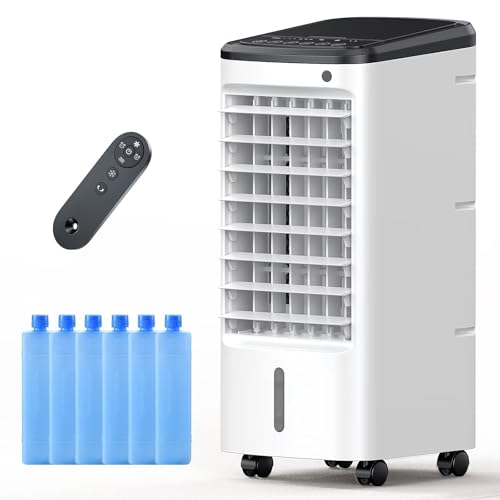
Windowless Portable Air Conditioner with Remote, FLOWBREEZE Ventless Ac Unit Ductless Air Cooler, Hoseless Quiet Evaporative Oscillating Swamp Cooler, 6 Ice Box for Bedroom Indoor Outdoor Office Room
Check price on AmazonDisclaimer
Some of the content on this site uses AI assistance. Information is provided for educational purposes only. We are not responsible for any losses resulting from the use of this information. By using this site, you waive any right to bring legal claims against us arising from your use of the information provided. If you do not agree, please do not use this site. Read the full disclaimer.