My Central Air Is Running But Not Cooling
You hear the fan and compressor running, but your home isn't getting cooler. This guide walks you through the most common causes, DIY fixes, and when to call an HVAC professional.
START TROUBLESHOOTING🔧 Quick Insight: A central AC that runs but doesn't cool often points to airflow issues, refrigerant problems, or electrical faults. Most fixes are simple and don't require a full system replacement.
Why Is My Central AC Running but Not Cooling?
Few things are more frustrating than a central air conditioner that hums along but fails to lower the temperature. The system seems to be working—the fan spins, the outdoor unit runs—but the air coming out of the vents is either lukewarm or only slightly cool. This common problem can stem from a handful of issues, ranging from a simple dirty filter to a more serious refrigerant leak.
Understanding the root cause is the first step toward a solution. In this guide, we'll cover the most likely culprits, how to diagnose them, and what steps you can take to restore your home's comfort. If you're considering a replacement, we'll also help you understand the true cost of a new central air conditioner and when it makes sense to upgrade rather than repair.
Common Causes of a Running but Not Cooling AC
When your central AC is running but not cooling, the problem usually falls into one of these categories. We'll start with the simplest checks and move toward more complex issues.
📋 First Things to Check
- Thermostat settings – Is it set to "cool" and the fan set to "auto"? A misconfigured thermostat is often overlooked.
- Air filter – A clogged filter restricts airflow, causing the system to ice up and lose cooling capacity.
- Outdoor unit – Is the condenser coil dirty? Are bushes or debris blocking airflow?
- Vents – Are all supply and return vents open and unobstructed?
1. Dirty Air Filter
The most common and easiest fix. When your air filter is clogged with dust and pet dander, it restricts airflow over the evaporator coil. This can cause the coil to freeze, and the system will blow air but not cool effectively. Check your filter monthly during peak cooling season and replace it if it looks dirty. A clean filter improves airflow and efficiency.
2. Refrigerant Leak (Low Freon)
If your system is low on refrigerant, it can't absorb heat effectively. This often manifests as the AC running constantly but never reaching the set temperature. Signs include hissing sounds, ice on the refrigerant lines, or a noticeable drop in cooling performance. Adding freon to a home air conditioner isn't a DIY job—you'll need a licensed HVAC technician to locate the leak, repair it, and recharge the system.
3. Dirty Condenser Coils (Outdoor Unit)
The outdoor condenser coil releases the heat that was absorbed from inside your home. If the coil is caked with dirt, grass clippings, or leaves, it can't dissipate heat, causing the system to work harder and cool less effectively. Gently clean the coils with a garden hose (turn off the power first) and trim any vegetation around the unit.
4. Frozen Evaporator Coil
Restricted airflow (often from a dirty filter) or low refrigerant can cause the evaporator coil to drop below freezing. Ice forms on the coil, blocking airflow and reducing cooling. If you see ice on the indoor unit or the refrigerant lines, turn off the system and let it thaw completely (usually 24 hours). Then, address the root cause—clean or replace the filter, and if the problem persists, call a professional.
5. Electrical Issues (Capacitor or Contactor)
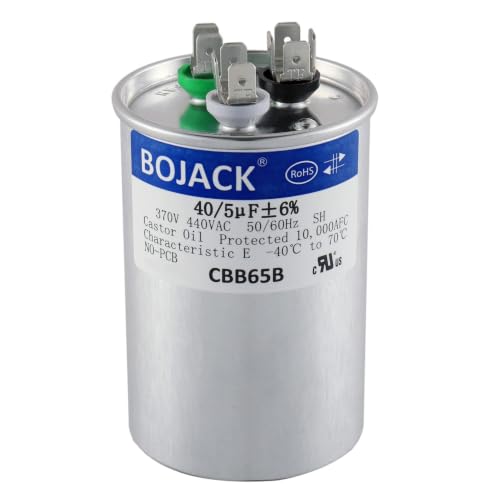
The outdoor unit relies on a capacitor to start the compressor and fan motor. If the capacitor is failing, the compressor may not start even though the fan runs. Similarly, a faulty contactor can prevent the compressor from receiving power. These components are relatively inexpensive but require a technician to diagnose and replace safely.
6. Ductwork Problems
Leaky or disconnected ducts can send cool air into your attic or crawlspace instead of your living areas. This is especially common in older homes. A professional can test for duct leaks and seal them, improving both cooling and energy efficiency. If you're experiencing uneven cooling, this might be the issue.
DIY Troubleshooting Steps
Before you call a professional, run through this simple checklist. Many issues can be resolved in minutes with no tools required.
- Check the Thermostat: Ensure it's set to "COOL" and the temperature is at least 5°F below the current room temperature. Replace the batteries if it's battery-powered.
- Inspect the Air Filter: Remove the filter and hold it up to a light. If light barely passes through, it's time for a replacement.
- Examine the Outdoor Unit: Remove any leaves, debris, or grass clippings from the condenser. Use a soft brush to gently clean the fins if they're bent, and straighten them carefully with a fin comb.
- Check Your Vents: Walk through your home and ensure all supply vents are open and not blocked by furniture, curtains, or rugs.
- Look for Ice: Inspect the indoor evaporator coil (if accessible) and the refrigerant lines for frost. If you see ice, turn off the AC and run the fan only to help thaw the system.
- Reset the System: Sometimes a simple power cycle resolves the issue. Turn off the thermostat, switch the breaker to the AC unit off for 5 minutes, then turn it back on.
💡 Pro Tip: If you've completed these steps and your central air is still not cooling your house, it's time to call an HVAC professional. Refrigerant handling, electrical repairs, and ductwork sealing require specialized training and equipment.
When to Call a Professional
Some problems are best left to licensed HVAC technicians. Here are signs you need expert help:
- Low refrigerant: You notice ice on the refrigerant lines, or the system runs continuously without cooling. A technician can safely locate and repair leaks and recharge the system.
- Electrical faults: If you hear clicking noises, the compressor won't start, or you suspect a capacitor or contactor issue, call a pro. These components carry high voltage and can be dangerous.
- Ductwork issues: If your home has hot and cold spots, leaky ducts might be to blame. A professional can perform a blower door test and seal ducts effectively.
- Compressor failure: A seized or faulty compressor is often the most expensive repair. In many cases, replacing the entire outdoor unit (or the whole system) is more cost-effective.
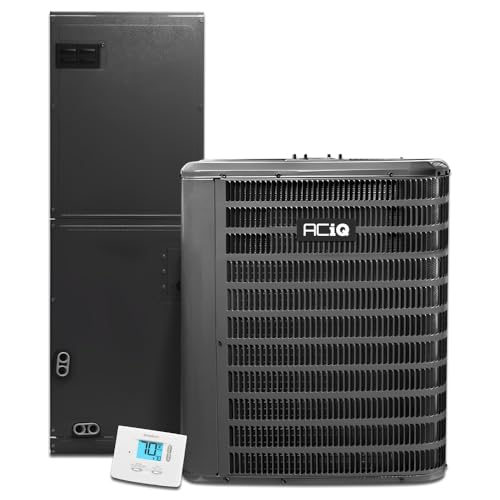
If your system is older (10+ years) and the repair costs are high, you may want to consider replacement. Explore the cost to install central air in an old house and compare it to repeated repair bills. Modern systems are significantly more efficient and can save you money in the long run.
How to Prevent Future Cooling Problems
Regular maintenance is the key to avoiding a "running but not cooling" scenario. Follow these best practices to keep your central AC in top shape:
- Change Filters Regularly: Set a reminder to check and replace your air filter every 1–3 months, especially during heavy usage.
- Schedule Annual Tune-Ups: A professional maintenance visit in the spring can catch issues early, clean coils, and ensure proper refrigerant levels.
- Keep the Outdoor Unit Clear: Maintain at least 2 feet of clearance around the condenser. Remove debris and trim bushes regularly.
- Monitor Thermostat Settings: Use a programmable or smart thermostat to avoid overworking your system.
- Seal Leaky Ducts: If you suspect duct leaks, have them inspected and sealed to improve efficiency and comfort.
By following these preventive measures, you can extend the life of your central air conditioner and reduce the likelihood of unexpected breakdowns. If you're experiencing recurring issues, it might be time to evaluate your central AC unit for a 2000 sq ft house or larger homes to ensure you have the right capacity for your space.
Should You Repair or Replace?
If your system is more than 12 years old and you're facing a significant repair—like a compressor replacement or a major refrigerant leak—replacement often makes more financial sense. New units with higher SEER ratings can cut your cooling costs by up to 50%. Consider these factors:
- Age of System: Units over 10–15 years old are nearing the end of their lifespan.
- Repair Cost: If the repair cost is over 30% of a new unit's price, invest in a replacement.
- Energy Savings: A new high-efficiency model can significantly lower your monthly utility bills.
- Comfort: Modern systems offer better humidity control, quieter operation, and smart features.
Get multiple quotes from licensed contractors and ask about warranties and rebates. A new system is a major investment, but it pays dividends in comfort, reliability, and energy savings for years to come.