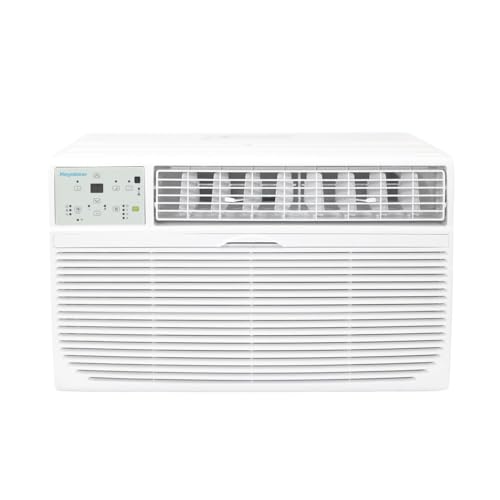
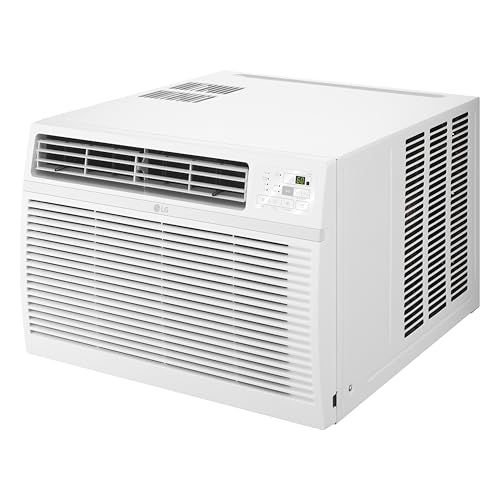
My Wall AC Unit Is Not Blowing Cold Air
Frustrated by a wall air conditioner that runs but refuses to cool the room? This guide walks you through every likely cause, from simple fixes you can do in minutes to the warning signs that it is time to call a professional.
A wall air conditioner, often called a through-the-wall unit, is a reliable cooling solution for many homes, apartments, and older buildings that lack ductwork. When it suddenly stops producing cold air while the fan keeps running, the problem can range from a clogged filter to a failing compressor. Understanding the difference between a minor maintenance issue and a serious mechanical fault saves you time, protects your equipment, and helps you decide the next step with confidence.
This article explains how a wall AC creates cold air, the most common reasons it stops doing so, and the practical checks you can perform safely on your own. It also covers the situations where do-it-yourself troubleshooting should stop and professional service should begin.
How a Wall AC Produces Cold Air
A wall air conditioner works on the same refrigeration cycle as any other cooling system. Refrigerant circulates through a closed loop of components, absorbing heat from indoor air and releasing it outdoors. The key stages are:
- Evaporator coil: Located on the indoor side, this coil absorbs heat and moisture from the room air as the refrigerant inside evaporates.
- Compressor: The heart of the system, it pressurizes the refrigerant gas and drives it through the loop.
- Condenser coil: On the outdoor side, it releases the absorbed heat to the outside air.
- Expansion device: It lowers the refrigerant pressure before it re-enters the evaporator, restarting the cycle.
- Blower fan: It pushes room air across the evaporator coil and back into the room as cooled air.
If any part of this cycle is disrupted—whether by restricted airflow, a refrigerant leak, a faulty thermostat, or a failing compressor—the unit may still run and blow air, but that air will not be cold. Recognizing which stage is compromised is the key to effective troubleshooting.
Most Common Causes of a Wall AC Not Blowing Cold Air
The reasons behind a wall unit that runs without cooling generally fall into a few categories. The list below moves from the simplest and most frequent issues to the more complex mechanical faults.
1. Clogged or Dirty Air Filter
This is the single most common cause of reduced cooling. A filter packed with dust, pet hair, and debris restricts airflow across the evaporator coil. Without sufficient air movement, the coil cannot absorb heat efficiently, and the unit may even freeze up. A blocked filter also forces the blower to work harder, which shortens its lifespan.
2. Thermostat Settings or Malfunction
Sometimes the issue is as simple as the thermostat being set to fan-only mode, set to a temperature higher than the room temperature, or powered by dead batteries. In other cases, the thermostat sensor drifts out of calibration and reports an inaccurate reading, causing the compressor to stay off when it should be running.
3. Dirty or Blocked Condenser Coil
The outdoor-facing condenser coil releases heat. When it is coated with dust, pollen, or debris, heat cannot escape, and the system loses its ability to cool. On through-the-wall units, the outdoor grille and coil are often overlooked during cleaning.
4. Frozen Evaporator Coil
If you notice ice forming on the indoor coil or the unit stops cooling after running for a while, the evaporator coil may be frozen. This is usually a symptom of restricted airflow (dirty filter or blocked vents) or low refrigerant. A frozen coil cannot absorb heat, so the air coming out stays warm.
5. Low Refrigerant or a Refrigerant Leak
Refrigerant is not consumed during normal operation—it circulates in a sealed system. If the cooling capacity drops gradually over months or years, a slow leak is a likely culprit. Low refrigerant causes the evaporator coil to run colder than normal, often leading to freeze-ups and eventually to compressor damage if left unaddressed.
6. Faulty Compressor
The compressor is the most valuable and most heavily stressed component in the system. If it fails to start, trips its internal overload, or runs but does not build pressure, the unit will blow air at room temperature. A compressor that hums briefly and then clicks off is a classic sign of a failing start component or a seized compressor.
7. Malfunctioning Capacitor or Relay
Start and run capacitors give the compressor and fan motors the boost they need to spin. A swollen or failed capacitor prevents the compressor from starting even though the fan may still run. This is one of the most frequent electrical failures in wall units and is a straightforward repair for a qualified technician.
8. Blocked or Leaking Airflow Paths
Furniture pushed against the indoor grille, closed or obstructed outdoor louvers, or a damaged blower wheel all reduce airflow. A weak blower can also be caused by a failing fan motor or a loose blower wheel.
9. Tripped Breaker or Insufficient Power
Wall units draw significant current, especially at startup. A partially tripped breaker, a loose connection at the outlet, or an undersized circuit can cause intermittent operation where the fan runs but the compressor does not engage. Always verify the power supply before assuming a mechanical fault.
10. Sensor or Control Board Failure
Modern wall units rely on thermistors and control boards to manage compressor cycling. A failed room-temperature sensor or a damaged control board can leave the fan running while the compressor never receives the command to start.
Quick Fixes You Can Try Today
Before calling for service, work through these safe, straightforward checks. They resolve a surprising number of no-cooling complaints and cost nothing but a few minutes of your time.
- Check the thermostat. Confirm the unit is set to cool mode, the setpoint is at least a few degrees below the current room temperature, and the display is not showing an error code. Replace batteries if the thermostat is battery-powered.
- Inspect and clean the air filter. Remove the filter, hold it up to a light, and look for dust buildup. Wash reusable filters with mild soap and warm water, rinse thoroughly, and let them dry completely before reinstalling. Replace disposable filters if they are saturated.
- Clear the outdoor side. Make sure nothing blocks the exterior grille—no plants, furniture, or stored items. Gently brush away visible debris from the condenser fins without bending them.
- Check the power supply. Reset the breaker at the panel and confirm the unit is plugged in firmly if it uses a cord connection. Look for a tripped GFCI if the circuit includes one.
- Let a frozen coil thaw. If you see ice, switch the unit off (or to fan-only) for several hours until the ice melts. Then clean the filter and coil before restarting. Do not chip at the ice.
- Listen to the compressor. With the unit running, listen for the compressor. A steady hum indicates it is running; silence, clicking, or a brief hum followed by a click suggests a start component or compressor problem that needs professional attention.
- Check the vents and louvers. Confirm the indoor louvers are open and that furniture or curtains are not blocking airflow into or out of the unit.
Safety first: Always switch off power at the breaker before removing panels or touching electrical components. Never attempt to add refrigerant, open the sealed refrigeration circuit, or bypass safety devices. These tasks require certified tools and training.
Symptom and Cause Reference Table
Use the table below to match what you are observing with the most probable cause. This helps you decide whether a DIY fix is appropriate or whether the unit needs professional diagnosis.
| What You Observe | Likely Cause | Recommended Action |
|---|---|---|
| Fan runs, air is room temperature | Dirty filter, thermostat in fan mode, low refrigerant | Clean filter, verify thermostat mode, then call a technician if unresolved |
| Ice on indoor coil or unit | Restricted airflow or low refrigerant | Thaw the unit, clean filter and coil, check for leaks by a professional |
| Compressor clicks but does not start | Failed capacitor, relay, or compressor | Professional electrical diagnosis and repair |
| Weak airflow from the vents | Dirty filter, blocked vents, failing blower motor | Clean filter and vents; if airflow remains weak, call a technician |
| Unit trips the breaker repeatedly | Electrical fault, short circuit, failing compressor | Stop using the unit and call a licensed technician |
| Outdoor coil is hot and unit never cools | Dirty condenser coil or condenser fan failure | Clean the coil; if the fan is silent, request service |
When to Call a Technician
Some problems are safe to handle yourself; others require the training, tools, and certifications of a licensed HVAC professional. Contact a technician when any of the following apply:
- The compressor does not start, clicks repeatedly, or trips the breaker.
- You suspect a refrigerant leak, or the unit has frozen more than once after thawing.
- The unit shows error codes, a blank display, or erratic behavior from the control board.
- There is a burning smell, unusual rattling, or visible damage to wiring.
- Cleaning the filter and coil and resetting the power did not restore cooling.
- The unit is old enough that the repair may not be a sensible long-term investment compared with a replacement.
If your situation involves a different system type, our related guides on a central AC unit not blowing cold air and a window air conditioner not blowing cold air cover system-specific diagnostics. For units that run but never cool the room, see my AC unit is running but not cooling.
Prevention and Maintenance Tips
Regular maintenance is the most reliable way to keep a wall unit blowing cold air season after season. Build these habits into your routine:
- Clean or replace the filter every four to six weeks during peak cooling season, or more often in dusty environments or homes with pets.
- Wash the outdoor coil at the start of each cooling season using a gentle spray and a soft brush.
- Keep the outdoor grille clear of plants, stored items, and debris year-round.
- Schedule an annual professional service to check refrigerant charge, electrical components, and coil condition.
- Seal gaps around the wall sleeve so hot outdoor air does not leak into the room and force the unit to work harder.
- Run the fan for a few minutes after shutdown to dry the evaporator coil and reduce mold growth.
For broader maintenance guidance, see our AC maintenance guide, and for whole-home efficiency improvements review our energy saving tips for AC.
Frequently Asked Questions
Why is my wall AC running but not cooling?
The most common reasons are a clogged filter, thermostat set incorrectly, a dirty condenser coil, low refrigerant, or a failed compressor capacitor. Start by cleaning the filter and confirming the thermostat is in cool mode with a low setpoint, then observe whether the compressor engages.
Can I fix a wall AC that is not blowing cold air myself?
Yes, for maintenance-level issues such as filter cleaning, thermostat settings, power resets, and clearing the outdoor grille. Refrigerant work, electrical repairs, and compressor replacement require a licensed technician.
Why does my wall AC freeze up?
Freezing is usually caused by restricted airflow from a dirty filter or blocked vents, or by low refrigerant from a leak. Thaw the unit, clean the filter and coil, and if freezing recurs, have a technician check the refrigerant charge.
How often should I clean my wall AC filter?
Every four to six weeks during heavy use is a good baseline. Homes with pets, high dust levels, or constant operation may need cleaning every two to three weeks.
Is it normal for a wall AC to blow warm air for a few minutes after starting?
A brief period of warm air at startup is normal as the compressor builds pressure. If the air stays warm for more than five to ten minutes, there is a cooling fault that should be investigated.
Should I repair or replace a wall AC that is not cooling?
If the unit is over a decade old, has needed repeated refrigerant service, or has a failed compressor, replacement is often the more sensible long-term investment. For newer units with a single failed capacitor or relay, repair is usually the practical path.
Still Not Cooling? Compare Your Options
If troubleshooting has not restored cold air, explore replacement wall units that match your room size and efficiency goals. Compare features, tiers, and capacities to find the right fit for your space.