My Central AC Unit Is Not Blowing Cold Air: Causes, Diagnosis & Fixes
When your central air conditioner runs but delivers warm or room-temperature air, the problem is usually one of a handful of common faults. This guide walks you through every likely cause, from simple DIY checks to the failures that require a licensed technician.
Quick summary: If your central AC is on but not blowing cold air, start with the three fastest checks — thermostat mode, air filter condition, and the outdoor unit. Most warm-air complaints trace back to restricted airflow, frozen coils, low refrigerant, or a compressor that is no longer engaging. Work through the steps below in order before assuming the worst.
Why Is Your Central AC Unit Not Blowing Cold Air?
A central air conditioner does not create cold air on its own; it removes heat from indoor air and releases it outside through the condenser. When that heat-transfer loop breaks at any point, the blower keeps pushing air through the vents, but the air feels warm or neutral. Understanding this cycle helps you interpret symptoms: if the indoor fan runs but the air is warm, the problem is usually in the cooling circuit, airflow path, or controls. If the fan does not run at all, the issue is often electrical or control-related.
Before scheduling service, it is worth separating symptoms. A system that is completely silent behaves differently from one whose central AC is running but not cooling. Likewise, a unit that produces weak airflow may point to duct or blower problems, while a system with strong but warm airflow points toward refrigerant, coil, or compressor faults.
Diagnostic tip: Measure the temperature of the air coming out of a supply register with a thermometer. A properly working central AC should deliver air roughly 15–20°F cooler than the return air. If the difference is smaller, the cooling circuit is underperforming.
The Most Common Causes (and How to Check Them)
1. Thermostat Settings or Batteries
This sounds obvious, but it is the most frequent reason homeowners report warm air. Confirm the thermostat is set to COOL (not FAN or HEAT), the setpoint is at least a few degrees below room temperature, and the fan mode is set to AUTO rather than ON. In AUTO, the blower stops when the compressor stops; in ON, the blower runs continuously and can circulate unconditioned air, making the system appear to be blowing warm air.
Also check thermostat batteries. A weak battery can cause erratic behavior, blank displays, or a thermostat that appears on but fails to signal the outdoor unit. If you recently installed a new AC thermostat, verify wiring matches the original configuration.
2. Clogged or Blocked Air Filter
A dirty filter is the leading cause of restricted airflow. When the filter is saturated, the evaporator coil receives too little warm air, its temperature drops below freezing, and ice forms on the coil. Once iced, the system cannot absorb heat, and the air at the vents turns warm. Replace the filter if it looks gray or matted; a clean filter should let light through. In homes with pets or heavy dust, check the filter monthly during cooling season.
3. Frozen Evaporator Coil
If you see ice on the indoor coil or the refrigerant lines entering the air handler, the coil is frozen. Common triggers include a clogged filter, low refrigerant, a failing blower motor, or a dirty coil. Turn the system off at the thermostat and let the ice melt completely — this can take several hours. Do not run the system with ice present, as it can damage the compressor. After thawing, replace the filter and observe whether ice returns; if it does, call a technician to check refrigerant charge and airflow.
4. Low Refrigerant Charge (Leak)
Refrigerant is a sealed system; it does not get consumed over time. If the charge is low, there is a leak. Symptoms include warm air at the vents, ice on the indoor coil, hissing or bubbling sounds near the line set, and a compressor that runs continuously without cooling. Refrigerant handling is regulated, so this repair requires a licensed technician with EPA certification. Do not attempt to add refrigerant yourself.
5. Failing Compressor or Contactor
The compressor is the heart of the cooling cycle. If it fails to start, the indoor blower will still run, but the air will be warm. Listen at the outdoor unit: a humming sound without the compressor engaging, a clicking contactor, or a tripped breaker all point to an electrical or compressor problem. A technician can test the contactor, capacitor, and compressor windings to isolate the fault.
6. Dirty Outdoor Condenser Coils
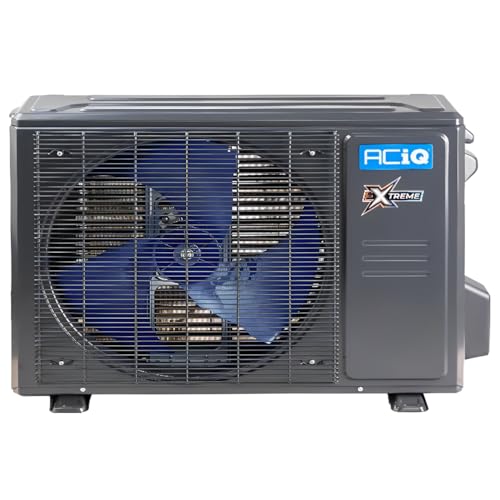
The outdoor unit releases heat absorbed indoors. If the condenser coils are clogged with dirt, leaves, or cottonwood fluff, the system cannot reject heat efficiently, and cooling capacity drops. Gently rinse the coils with a garden hose after turning off power at the disconnect. Keep at least two feet of clearance around the unit and trim vegetation away from the coils.
7. Duct Leaks or Blocked Registers
If cold air is being produced but never reaches the rooms, the problem may be distribution rather than refrigeration. Check that supply registers are open and unobstructed by furniture or rugs. Inspect accessible ductwork in the attic or basement for disconnected joints, crushed flex duct, or torn insulation. Sealing duct leaks with mastic or foil tape can restore comfort and improve efficiency.
8. Tripped Breaker or Blown Fuse
Central AC systems typically use a dedicated 240V circuit with a double-pole breaker, plus a separate disconnect near the outdoor unit. If the indoor blower runs but the outdoor unit is silent, check the breaker panel for a tripped breaker and the outdoor disconnect for a blown fuse. Reset once; if it trips again, stop and call a technician, as repeated trips indicate a short or failing component.
Safety note: Never open the electrical panel of the outdoor unit or air handler unless the power is off at the breaker and disconnect. Capacitors can hold a dangerous charge even after power is removed. Refrigerant work must be performed by an EPA-certified technician.
Step-by-Step Diagnostic Checklist
Work through these steps in order. Each one is safe for a homeowner and eliminates a common cause before you consider professional service.
- Confirm the thermostat: Set to COOL, fan to AUTO, setpoint below room temperature, fresh batteries.
- Replace the air filter: Use the correct size and MERV rating; a clean filter restores airflow.
- Inspect the indoor coil and line set: Look for ice. If frozen, turn the system off and let it thaw fully.
- Check the outdoor unit: Confirm the fan is spinning, listen for the compressor, and clear debris from the coils.
- Reset breakers and disconnects: Reset once; do not repeatedly reset a tripping breaker.
- Verify airflow at registers: Open all supply and return grilles, and remove obstructions.
- Measure supply temperature: Compare supply air to return air; a 15–20°F drop indicates normal operation.
- Call a technician if the issue persists: Refrigerant, compressor, and electrical faults require licensed service.
Symptoms, Likely Causes, and Next Steps
| Symptom | Likely Cause | Next Step |
|---|---|---|
| Blower runs, air is warm | Thermostat mode, dirty filter, low refrigerant | Check thermostat and filter; if clean and correct, test supply temperature and call a technician if warm |
| Ice on indoor coil or line set | Restricted airflow or low refrigerant | Turn system off, thaw, replace filter; if ice returns, call a technician |
| Outdoor unit silent, indoor fan running | Tripped breaker, blown fuse, failed contactor | Reset breaker once, check disconnect fuse; call a technician if the issue persists |
| Weak airflow at vents | Clogged filter, blocked duct, failing blower | Replace filter, open registers, inspect accessible ducts |
| Compressor hums but does not start | Failed capacitor or contactor, seized compressor | Call a licensed HVAC technician |
When to Call a Professional
Some faults are safe to troubleshoot at home; others are not. Call a licensed HVAC technician if you notice any of the following: refrigerant leaks (oily residue or hissing near the line set), repeated breaker trips, a compressor that hums without starting, ice that returns immediately after thawing, or electrical burning smells. These conditions can damage the compressor and raise safety risks.
If the system is old and has a history of failures, a technician can advise whether repair or replacement makes more sense. Factors include the age of the unit, the type of refrigerant it uses, and whether the repair restores reliable performance for the long term. For systems that are beyond economical repair, compare a new air conditioning unit against a new air conditioning system that includes updated refrigerant and controls.
Preventive Maintenance to Avoid Warm Air Next Season
- Replace filters on schedule: Every one to three months, more often with pets or heavy dust.
- Schedule professional maintenance: An annual tune-up includes coil cleaning, refrigerant charge verification, and electrical inspection.
- Keep the outdoor unit clear: Remove leaves, grass clippings, and debris; maintain two feet of clearance.
- Seal ducts: Seal accessible joints in the attic and basement to prevent conditioned air loss.
- Monitor supply temperature: A simple thermometer check each season catches declining performance early.
- Address small issues early: A slow leak or failing capacitor is easier to fix before it damages the compressor.
Routine maintenance is the most reliable way to avoid a repeat of a central AC that is not blowing cold air. It also keeps the system within manufacturer specifications, which matters for warranty coverage. If your system uses an older refrigerant, discuss retrofit options with your technician.
Frequently Asked Questions
Why is my central AC running but not blowing cold air?
The most common reasons are a clogged air filter, frozen evaporator coils, low refrigerant charge, a failing compressor, or incorrect thermostat settings. Check the filter and thermostat first, then inspect the outdoor unit for ice buildup before calling a technician.
Can a dirty filter cause my central AC to stop cooling?
Yes. A clogged filter restricts airflow across the evaporator coil, causing the coil to freeze and the system to stop cooling effectively. Replace the filter every one to three months, and more often during peak cooling season or in homes with pets.
What does it mean if my outdoor AC unit is blowing cold air?
A central AC condenser releases heat outdoors, so warm air leaving the top is normal. If the outdoor unit is blowing cold air instead, it may indicate a reversed refrigerant cycle, a serious compressor issue, or a miswired reversing valve. This warrants a professional inspection.
When should I call a technician for a central AC not blowing cold air?
Call a technician if you have already replaced the filter, checked the thermostat, reset the breakers, and cleared any ice from the outdoor unit but the system still blows warm air. Refrigerant leaks, compressor failures, and electrical faults require licensed HVAC service.
Related Troubleshooting Guides
- My Central AC Is Running But Not Cooling
- My Central AC Isn't Blowing Cold Air
- My Central Air Conditioner Is Not Cooling
- My Central Air Is Blowing But Not Cooling
- My Central Air Is On But Not Blowing
- My Central Air Is Not Cooling My House
- My AC Is Not Cooling Properly
- My Air Conditioner Is Running But Not Cooling
- My AC Is Blowing Warm Air
- My AC Is Working But Not Blowing Cold Air