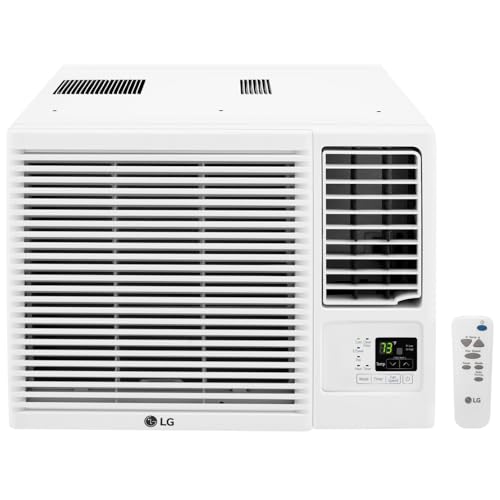
Quietest 15,000 BTU Window Air Conditioner: The Complete Guide
Find out how to identify truly quiet 15,000 BTU window units, what noise levels to expect, and which models deliver powerful cooling without disrupting your peace.
EXPLORE QUIET PICKSWhy quiet matters: A 15,000 BTU window air conditioner is designed for large rooms, open-plan spaces, and master bedrooms. But raw cooling power often comes with higher noise output. This guide helps you balance performance and peace — so you can cool a large space without feeling like you are living next to a jet engine.
What Makes a 15,000 BTU Window AC Quiet?
Noise from a window air conditioner comes from three main sources: the compressor, the fan, and vibration transmitted through the window frame. A quiet 15,000 BTU unit is engineered to minimize all three. Manufacturers achieve this through inverter compressors, larger and slower-spinning fans, sound-dampening insulation, and improved chassis isolation.
When you are shopping, look for models that advertise decibel ratings below 55 dB. Some premium units reach the low 50s, which is comparable to a quiet office or a soft conversation. Entry-level units in this capacity often sit between 58 and 65 dB — noticeably louder and more disruptive in a bedroom or living space.
Key Noise-Reducing Technologies
- Inverter compressors: These variable-speed compressors avoid the harsh on/off cycling of traditional units and run more smoothly, producing steadier, lower noise.
- Sound-dampening insulation: High-end models wrap the compressor and internal components in acoustic materials.
- Multi-speed fans: Fans that run at lower speeds on low or auto mode cut down air noise significantly.
- Vibration isolation: Rubber mounts and improved chassis design reduce rattling and structural vibration.
- Quiet-mode settings: Many top-tier units include a dedicated sleep or quiet mode that lowers fan speed and compressor output.
How Loud Is a Typical 15,000 BTU Window Unit?
Decibel ratings for 15,000 BTU window air conditioners vary widely. To put the numbers in perspective:
| Noise Level (dB) | Comparable To | Typical Product Tier |
|---|---|---|
| 50–54 dB | Quiet office, soft conversation | Premium / top-tier |
| 55–59 dB | Normal conversation, background music | Mid-range |
| 60–65 dB | Busy restaurant, lively office | Entry-level / essential tier |
If you plan to install the unit in a bedroom, home office, or living room where you spend long hours, aim for a model rated at 55 dB or lower. For a garage or workshop, slightly higher noise is usually acceptable.
Installation tip: Even the quietest unit can become noisy if it is installed poorly. Ensure a snug window seal, use support brackets to reduce sagging, and consider vibration-dampening pads. Proper installation can reduce perceived noise by several decibels.
Features to Prioritize in a Quiet 15,000 BTU Window AC
Beyond the decibel rating, several features contribute to a quieter and more comfortable experience:
- Inverter compressor: The single most important feature for quiet operation and energy efficiency. Inverter units ramp up and down smoothly instead of cycling on and off.
- Auto fan speed: The fan adjusts automatically to maintain the set temperature, avoiding unnecessary high-speed operation.
- Sleep mode: Gradually raises the temperature and lowers fan speed overnight for quieter operation while you sleep.
- Remote control and programmable timer: Lets you schedule cooling around your routine without manually adjusting the unit.
- High SEER rating: More efficient units often use better compressors and insulation, which also translates to quieter operation. Check our guide on recommended SEER ratings for more context.
What to Expect from Each Product Tier
The quietest 15,000 BTU window air conditioners tend to fall into the premium and top-tier categories. Here is how the tiers compare:
| Tier | Noise Level | Best For |
|---|---|---|
| Entry-level | 60–65 dB | Garages, workshops, utility rooms |
| Mid-range | 55–59 dB | Living rooms, family rooms |
| Premium / top-tier | 50–54 dB | Bedrooms, home offices, open-plan living areas |
Premium units typically feature inverter compressors, better acoustic insulation, and more sophisticated fan designs. If quiet operation is your top priority, focus your search on that tier rather than compromising on an entry-level model.
Installation and Placement Tips for Quieter Operation
How and where you install your window AC has a major impact on noise. Follow these guidelines to get the quietest possible experience:
- Choose a solid window frame: Older or loose frames amplify vibration. Reinforce the frame if needed.
- Use proper support brackets: Sagging units vibrate more. A level, well-supported installation reduces rattling.
- Seal gaps thoroughly: Air leaks not only waste energy but also let in outside noise. Use foam insulation or weatherstripping around the unit.
- Add vibration pads: Placing rubber pads between the unit and the window sill can absorb vibrations.
- Avoid direct line of sight to seating: If possible, position the unit so the fan noise is not directed straight at where you sit or sleep.
For detailed installation guidance, see our article on proper installation of window AC units.
Maintenance Habits That Keep Your Window AC Quiet
Even a quiet model can become noisy over time if it is not maintained. Regular maintenance keeps noise levels down and extends the life of your unit:
- Clean or replace the filter monthly: A clogged filter forces the fan and compressor to work harder, increasing noise.
- Clean the condenser coils annually: Dust and debris on the coils reduce efficiency and can cause the compressor to run louder.
- Check for loose parts: Screws, panels, and fan blades can loosen over time and cause rattling.
- Lubricate moving parts: Some units benefit from periodic lubrication of fan bearings (consult your manual).
- Schedule professional servicing: A yearly check-up can catch issues before they become noisy problems.
Our guide on professional duct cleaning and general AC maintenance can help you build a maintenance routine.
Quiet 15,000 BTU Window AC vs Other Cooling Options
If noise is your primary concern, it is worth comparing a quiet window AC to other cooling solutions. Portable air conditioners, for example, are often louder because the compressor and exhaust system are inside the room. Mini-split systems are generally quieter but require professional installation and a higher upfront investment.
For a deeper comparison, see our articles on pros and cons of portable air conditioners and pros and cons of ductless air conditioning. If you are considering a quieter portable option, check out our guide to the quietest 10,000 BTU portable air conditioner.
Frequently Asked Questions
How loud is a typical 15,000 BTU window air conditioner?
Most standard 15,000 BTU window air conditioners produce between 55 and 65 decibels. The quietest models in this category operate closer to 50–55 decibels, roughly equivalent to a normal conversation or a quiet office environment.
What decibel level is considered quiet for a window AC?
For a 15,000 BTU window unit, anything below 55 decibels is considered quiet. Premium models with inverter compressors and advanced sound-dampening can reach the low 50s, which is noticeably quieter than entry-level units.
Does a higher BTU window AC run louder?
Generally, higher-capacity units produce more noise because the compressor and fan must work harder. However, high-end 15,000 BTU models with variable-speed compressors and enhanced insulation can operate as quietly as smaller standard units.
Can I reduce the noise of my existing window air conditioner?
Yes. Ensure proper installation with a snug window seal, use vibration-dampening pads under the unit, clean the filter regularly, and consider adding acoustic foam around the window frame. These steps can reduce perceived noise by several decibels.
Is an inverter window AC quieter than a non-inverter model?
In most cases, yes. Inverter compressors run continuously at variable speeds rather than cycling on and off at full power. This results in smoother, steadier operation with fewer abrupt noise spikes. If quiet operation is a priority, an inverter model is worth considering.
Final Thoughts: Choosing the Right Quiet 15,000 BTU Window AC
The quietest 15,000 BTU window air conditioners are those that combine inverter technology, sound-dampening construction, and thoughtful fan design. While entry-level units in this capacity can be disruptive, premium and top-tier models deliver the cooling power you need for large rooms without forcing you to raise your voice.
Before you buy, consider where the unit will be installed, how often it will run, and how sensitive you are to noise. If you are cooling a bedroom or home office, invest in a model rated below 55 dB. If the unit is for a garage or utility space, a mid-range option may be sufficient.
For more help narrowing down your options, explore our recommendations hub and related guides on the quietest window air conditioner units and quietest 14,000 BTU window air conditioners.