
Professional Duct Cleaning: The Complete Guide to Healthier Home Air
Discover how professional duct cleaning removes hidden contaminants from your HVAC system, improves indoor air quality, and helps your air conditioner run more efficiently. Learn the process, warning signs, and how to choose a qualified service.
Why Professional Duct Cleaning Matters for Your Home
Your home's ductwork is the circulatory system of your HVAC setup. Every time the air conditioner or furnace runs, air travels through a network of ducts that can silently accumulate dust, pet dander, pollen, mold spores, and construction debris. Over months and years, this buildup restricts airflow, strains your equipment, and circulates contaminants into the rooms where your family lives and sleeps.
Professional duct cleaning is the process of using specialized equipment to dislodge and remove this accumulated debris from the entire duct system — supply lines, return lines, registers, grilles, and the air handler. Unlike a quick vacuum around the vents, professional service reaches deep into the ductwork and captures contaminants with negative-pressure equipment so they do not escape into your living space.
For homeowners researching indoor air quality, this guide explains what professional duct cleaning actually involves, when it is genuinely necessary, how the process works step by step, and what to look for when hiring a service provider. If you are also considering related maintenance, you may want to review our guide to professional air duct cleaning and the broader category of professional duct cleaning services.
What Accumulates Inside Air Ducts?
Air ducts are not sealed capsules. Every return vent pulls in household air along with everything suspended in it. Over time, several categories of contaminants build up:
- Dust and lint — the most common buildup, forming a coating along duct walls that gradually thickens.
- Pet dander and hair — homes with pets accumulate significantly more debris inside ductwork.
- Pollen and outdoor particulates — drawn in through return air and outdoor intakes.
- Mold spores — encouraged by condensation and humidity inside poorly sealed ducts.
- Construction debris — drywall dust, sawdust, and insulation fibers after renovations.
- Rodent droppings and pest debris — in ducts with gaps or damaged connections.
This buildup does not simply sit still. Each time the system cycles on, airflow can lift settled particles and distribute them through supply registers into bedrooms, living areas, and workspaces. For households with allergy sufferers, asthma, young children, or elderly residents, this circulation of contaminants is a legitimate health concern.
Benefits of Professional Duct Cleaning
1. Improved Indoor Air Quality
Removing accumulated dust, dander, and biological contaminants from the duct system reduces the volume of particles that can become airborne in your home. For allergy and asthma sufferers, this is often the most meaningful benefit. Combined with high-quality filtration and proper humidity control, duct cleaning supports a healthier indoor environment.
2. Better HVAC Efficiency and Airflow
Heavy debris buildup along duct walls increases resistance to airflow. Your blower motor has to work harder to move the same volume of air, which can reduce cooling performance and increase energy consumption. Clean ducts allow the system to deliver conditioned air more effectively and balance room-to-room airflow. Homeowners dealing with uneven cooling should read our troubleshooting guide on reasons why an air conditioner is not cooling before assuming duct cleaning is the sole solution.
3. Reduced Odors
Musty or stale odors that appear whenever the HVAC system starts are a classic sign of microbial growth or accumulated debris inside the ductwork. Professional cleaning removes the source of these odors rather than masking them with fragrances.
4. Extended Equipment Lifespan
When ducts are clean and airflow is unrestricted, the blower motor, evaporator coil, and other components experience less strain. Reduced strain translates into fewer premature component failures and a longer service life for the entire system.
5. A Healthier Environment for Sensitive Occupants
Households with infants, elderly family members, or individuals with respiratory conditions benefit most from a clean duct system. Reducing airborne irritants is a practical, measurable improvement to daily comfort.
Signs Your Ducts Need Professional Cleaning
Not every home needs duct cleaning on a fixed schedule. The condition of the ductwork matters more than the calendar. Watch for these indicators:
- Visible debris inside ducts — shine a flashlight into a register and inspect the duct interior. Heavy dust coating or debris accumulation is a clear signal.
- Dust around vent covers — persistent dark staining or dust trails around registers suggests the system is pushing particles out.
- Musty odors when the system runs — a strong indicator of mold or microbial growth inside the ducts.
- Increased allergy or asthma symptoms indoors — especially if symptoms improve when you leave the house.
- Uneven airflow between rooms — some rooms consistently receive weak airflow despite the system running normally.
- Recent renovation or construction — drywall dust and debris almost always infiltrate ductwork during remodeling.
- New home purchase — you cannot know the maintenance history of the previous owner's duct system.
- Pest activity — evidence of rodents or insects in the ductwork warrants professional cleaning and inspection.
If you notice several of these signs together, scheduling an inspection with a qualified provider is a sensible next step. For related maintenance topics, see our guide on professional dryer vent cleaning, which shares similar safety and efficiency rationale.
The Professional Duct Cleaning Process, Step by Step
Reputable duct cleaning services follow a structured process. Understanding the steps helps you evaluate whether a provider is doing thorough work.
Step 1: Inspection and Assessment
The technician inspects the duct system layout, identifies the number of supply and return lines, checks for damage or disconnected sections, and assesses the level of contamination. Some providers use cameras to document conditions inside the ducts before and after cleaning.
Step 2: System Setup and Protection
The HVAC system is turned off. The technician seals registers and connects a high-powered negative-pressure vacuum to the main trunk line. This negative pressure ensures that dislodged debris is captured rather than blown into the living space.
Step 3: Agitation and Dislodging
Using rotary brushes, compressed air whips, and specialized tools, the technician mechanically loosens debris from duct walls. Different tools are used for different duct types — flexible brush systems for rigid metal ducts, soft whips for flexible ductwork.
Step 4: Cleaning of Components
In addition to the duct runs, the service typically cleans registers, grilles, diffusers, the air handler cabinet, and the blower compartment. The evaporator coil may be inspected and cleaned if accessible.
Step 5: Vacuuming and Containment
The negative-pressure vacuum continuously extracts loosened debris through HEPA filtration. This containment is what distinguishes professional cleaning from DIY efforts.
Step 6: Verification and Final Inspection
The technician performs a final inspection, often with photos or video documentation, to confirm that the ductwork is clean and that no components were damaged during the process.
How Often Should Ducts Be Professionally Cleaned?
There is no universal rule that applies to every home. The U.S. Environmental Protection Agency advises that duct cleaning is not automatically necessary on a fixed schedule and should be based on actual need. That said, most HVAC professionals suggest the following general guidance:
- Typical homes: every three to five years, depending on conditions.
- Homes with pets: more frequent cleaning, since dander and hair accumulate faster.
- Homes with smokers or wood-burning appliances: more frequent attention due to additional particulates.
- Recent renovations: clean after major remodeling or construction.
- Households with allergy or asthma sufferers: consider more frequent cleaning as part of a broader indoor air quality strategy.
- New home purchase: a one-time cleaning provides a fresh baseline.
The most reliable approach is to inspect the ducts periodically and clean when evidence warrants it, rather than strictly by the calendar.
How to Choose a Qualified Duct Cleaning Provider
The quality of duct cleaning varies enormously between providers. Choosing the right service protects both your ductwork and your indoor air quality.
What to Look For
- NADCA certification — the National Air Duct Cleaners Association sets recognized industry standards. Certified firms follow documented procedures.
- Proper equipment — negative-pressure vacuums with HEPA filtration, rotary brush systems, and inspection cameras.
- Transparent process — the provider explains each step and offers before-and-after documentation.
- Insurance and licensing — verify that the company carries liability insurance and any required local licensing.
- Written estimates — request a written scope of work that specifies exactly what will be cleaned.
- References and reviews — check independent reviews and ask for references from recent customers.
Red Flags to Avoid
- Extremely brief cleaning visits that suggest only surface vacuuming.
- High-pressure sales tactics or aggressive upselling during the visit.
- No inspection or documentation of the duct interior.
- Claims that duct cleaning will cure medical conditions — no legitimate provider makes such promises.
- No verifiable business address or licensing information.
For related installation and service topics, you may find our guide on professional window air conditioner installation useful when planning broader HVAC upgrades.
Comparing Duct Cleaning Service Tiers
Duct cleaning services differ in scope, equipment, and thoroughness. The table below outlines the common service tiers so you can match your needs to the right level of service. These are qualitative descriptors, not figures.
| Tier | Typical Scope | Best For |
|---|---|---|
| Essential tier | Basic vacuuming of accessible duct runs and registers; limited agitation tools. | Recently built homes with light dust accumulation and no specific concerns. |
| Mid-tier | Full supply and return cleaning with rotary brushes, negative-pressure vacuum, and component cleaning. | Typical family homes with pets or a few years of accumulated buildup. |
| High-end tier | Comprehensive cleaning plus inspection camera documentation, coil cleaning, and air handler sanitization. | Homes with allergy sufferers, musty odors, or recent renovations. |
| Professional-grade | Full-system deep clean with commercial-grade negative pressure, HEPA containment, before-and-after verification, and detailed reporting. | Large homes, heavily contaminated systems, or post-construction cleanup. |
Higher tiers generally offer more thorough agitation equipment and documentation, which matters for homeowners who want verifiable results. For related maintenance, see our guides on replacing an HVAC system and replacing HVAC ductwork when duct condition issues go beyond cleaning.
Duct Cleaning vs Related HVAC Services
Homeowners sometimes confuse duct cleaning with other services. Understanding the distinction helps you request the right work.
- Duct cleaning removes accumulated debris from inside the ductwork.
- Duct sealing addresses air leaks at joints and connections to improve efficiency — a different service entirely.
- Duct repair or replacement is necessary when ductwork is damaged, crushed, or deteriorated beyond cleaning.
- Dryer vent cleaning is a separate safety service for the clothes dryer exhaust path — see professional dryer vent cleaning.
A thorough provider will inspect for leaks and damage during cleaning and advise if additional services are warranted.
DIY Duct Cleaning vs Professional Service
Some homeowners attempt to clean ducts themselves using household vacuums and vent brushes. While light surface cleaning of registers is reasonable, DIY approaches have significant limitations:
- Household vacuums cannot generate the negative pressure needed to extract deeply embedded debris.
- Without proper containment, agitation can blow contaminants into living spaces.
- DIY tools cannot reach the full length of duct runs or clean the air handler components.
- Improper brushing can damage flexible ductwork or dislodge connections.
Professional service exists precisely because thorough duct cleaning requires specialized equipment, containment, and training. For homeowners who want verifiable results, professional service is the reliable path.
Ready to Improve Your Home's Air Quality?
Explore our curated selection of air conditioners and related HVAC products to complement your duct cleaning and maintenance strategy. A clean duct system paired with an efficient unit delivers the best results.
Frequently Asked Questions About Professional Duct Cleaning
How often should professional duct cleaning be performed?
Most HVAC professionals recommend professional duct cleaning every three to five years for typical homes. Homes with pets, smokers, recent renovations, or residents with allergies or respiratory conditions may benefit from more frequent cleaning.
What are the signs that air ducts need professional cleaning?
Common signs include visible dust buildup around vents, musty odors when the HVAC system runs, increased allergy symptoms indoors, uneven airflow between rooms, and visible debris inside ductwork. These indicators suggest that professional duct cleaning should be considered.
Does professional duct cleaning improve indoor air quality?
Yes. Professional duct cleaning removes accumulated dust, debris, pet dander, mold spores, and other contaminants from the ductwork. Combined with proper filtration and regular maintenance, this can meaningfully improve indoor air quality and reduce airborne irritants.
What equipment do professional duct cleaning services use?
Professional duct cleaning services typically use high-powered negative pressure vacuums, rotary brush systems, compressed air whips, and HEPA filtration units. This equipment dislodges and captures contaminants effectively without spreading them into the living space.
How long does professional duct cleaning take?
A typical residential duct cleaning service takes between two and five hours depending on the size of the home, the number of vents and returns, the complexity of the ductwork, and the level of contamination. Larger homes or heavily contaminated systems may require additional time.
Final Thoughts: Clean Ducts, Healthier Home
Professional duct cleaning is not a magic solution, but for the right homes it delivers tangible benefits: cleaner indoor air, better airflow, reduced odors, and less strain on HVAC equipment. The key is matching the service to actual need — inspect, identify warning signs, choose a qualified provider, and treat cleaning as one component of a complete HVAC maintenance strategy.
If you are planning related upgrades, explore our HVAC product recommendations and guides on professional duct cleaning services to build a comprehensive maintenance plan. For broader efficiency topics, see our resource on ductless air conditioning pros and cons as you evaluate your home's overall system design.
Recommended Air Conditioners for a Clean, Efficient Home
⚠️ AFFILIATE DISCLOSURE: This website contains affiliate links. As an Amazon Associate, we earn from qualifying purchases. If you make a purchase through these links, we may receive a small commission at no additional cost to you. Read our full affiliate policy.

TECHTONGDA Air Duct Cleaning Machine for Fresh Air Pipe Cleaning & Suction | Fits Pipes Diameter 1.97"-7.87", 49.2 ft Flexible Shaft Length, Rotary Brush Duct Pipe Cleaning Machine Vent Cleaning Tool
Check price on Amazon
Holikme Dryer Vent Cleaner Kit - 35Ft Flexible Lint Brush for Deep Cleaning | Dryer Vent Cleaner Brush with Drill Attachment, Removes Years of Lint Buildup, Improves Airflow, Faster Drying & Fire Safety
Check price on Amazon
Flexible 8 Tentacles Air Duct Cleaning Whip, Forward Air Flow Design, 14 Inch Long for Duct Cleaning with 1/8 Inch Connector
Check price on Amazon
On-Site Duct Supplies 50' Air Duct Cleaning Snake, Flexible Memory Material, 3/8 OD PVC Tubing, Metal Handle, Blowgun with Quick Connector for HVAC Dryer Vents
Check price on Amazon
GASHER 50feet Home Dryer Vent Duct Cleaning Kit, 2 Jetter Nozzle, 1/4" NPT Ball Valve, 1/4" NPT Air Plug, 1/4"NPT Reducer Adapter
Check price on Amazon
Xpike 17FT One-Piece Flexible Shaft Dryer Vent Cleaner Kit | Drill Powered Dryer Duct Cleaning Brush, Heavy Duty Lint Remover Tool
Check price on Amazon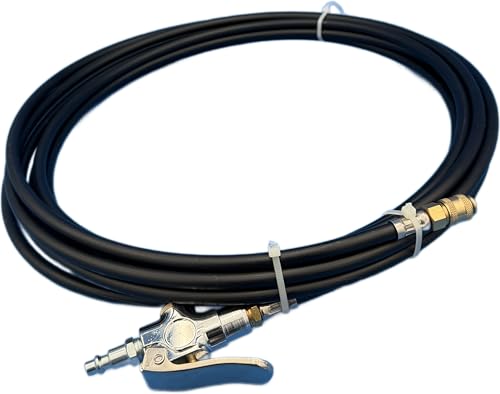
On-Site Duct Supplies 25' Air Duct Cleaning Snake with Blowgun, Flexible Memory Material, 3/8 OD for HVAC Dryer Vents and Supply Vents
Check price on Amazon
Holikme Dryer Vent Cleaner Kit - 40Ft Flexible Lint Brush for Deep Cleaning | Dryer Vent Cleaner Brush with Drill Attachment, Removes Years of Lint Buildup, Improves Airflow, Faster Drying & Fire Safety
Check price on AmazonDisclaimer
Some of the content on this site uses AI assistance. Information is provided for educational purposes only. We are not responsible for any losses resulting from the use of this information. By using this site, you waive any right to bring legal claims against us arising from your use of the information provided. If you do not agree, please do not use this site. Read the full disclaimer.