
Residential Heating and Air Conditioning Inc: A Homeowner's Guide
Understanding what a full-service residential HVAC company actually does, how to evaluate one before signing a service agreement, and what to expect throughout a professional heating and cooling partnership.
Why this matters: A dependable residential heating and air conditioning company influences every season of the year in your home. Choosing the right partner affects equipment performance, indoor comfort, energy use, and the long-term reliability of the entire system. This guide explains what to look for, what questions to ask, and how to build a working relationship that serves your household for years.
What a Residential Heating and Air Conditioning Inc Company Does
Despite the generic name used across the industry, residential heating and air conditioning inc companies are typically full-service HVAC contractors serving single-family homes and light residential properties. Their work spans the entire lifecycle of comfort equipment, from the initial design stage through years of ongoing servicing. Understanding the full scope helps homeowners recognize value beyond a single repair call.
System Design and Load Calculation
Before any equipment is installed, a competent company performs a room-by-room load assessment to size the system correctly. Accurate sizing underpins every aspect of performance and efficiency that follows.
Equipment Installation
Professional installation covers the condenser, indoor coil or air handler, line sets, electrical connections, thermostat configuration, and commissioning. Quality installation directly affects lifespan and efficiency.
Preventive Maintenance
Scheduled servicing cleans coils, checks refrigerant charge, inspects electrical components, and verifies airflow. Regular maintenance preserves efficiency and prevents the majority of emergency breakdowns.
Emergency Repair
When a system fails during extreme weather, a responsive company dispatches technicians quickly. Reliable companies maintain standby parts inventory and trained crews capable of diagnosing common faults efficiently.
Ductwork Services
Duct design, sealing, and cleaning are integral to residential comfort. Many contractors offer duct inspection and repair as part of a comprehensive service offering.
Indoor Air Quality Solutions
Beyond temperature control, modern HVAC companies install filtration, humidification, ventilation, and purification equipment that improves the quality of air inside the home.
Thermostat and Controls
Installation and programming of programmable and smart thermostats rounds out the service offering. Proper configuration maximizes the benefit of any newly installed equipment.
Service Agreements
Many companies offer maintenance plans that include scheduled tune-ups, priority dispatch, and repair discounts. These programs help homeowners stay ahead of equipment issues.
Why Choosing the Right Company Matters
Two companies can quote similar equipment but deliver vastly different outcomes. Installation quality, technician training, and service responsiveness are what separate a well-functioning system from one that underperforms. The most common causes of premature equipment failure — improper refrigerant charge, restricted airflow, and undersized ductwork — all trace back to installation and maintenance decisions made by the contractor.
Homeowners who invest time in evaluating a company before signing a contract consistently report better comfort and fewer emergencies. This is especially true for homes that rely on a single system to condition the entire living space. If a replacement project is on the horizon, our guide on replacing heating and air conditioning systems explains what to discuss with the contractor before work begins.
How to Evaluate a Residential HVAC Contractor
A structured evaluation process reduces the risk of choosing the wrong partner. The items below form a practical checklist any homeowner can use during the selection process.
- Licensing and registration: Verify that the company holds the mechanical license required in your state and any local registrations. Licensing boards usually offer online verification.
- Insurance coverage: Ask for proof of general liability and workers compensation insurance. This protects you from exposure if an accident occurs on your property.
- Refrigerant handling credentials: Technicians who handle refrigerant must hold EPA Section 608 certification. Confirm this before allowing work on refrigerant circuits.
- Manufacturer authorization: Many equipment manufacturers require factory-authorized dealers for extended warranty eligibility. Verify the company's dealer status if a specific brand is important to you.
- NATE certification: North American Technician Excellence certification indicates technicians have passed rigorous industry knowledge exams. It is a strong indicator of technical competency.
- Experience and reputation: Check how long the company has operated locally, read recent reviews, and ask for references from projects similar to yours.
- Written estimates and scope: A professional proposal is detailed, itemized, and clearly describes the equipment, workmanship, and warranty terms. Vague one-line proposals are a warning sign.
- Workmanship warranty: Ask explicitly about labor coverage length and what conditions void it. A workmanship warranty of at least one year is standard among reputable companies.
Practical tip: During the initial consultation, ask how the company handles scheduling during peak season, what their typical response time is for emergencies, and whether they stock common replacement parts on service vehicles. The answers reveal how much of the work is handled in-house versus outsourced.
Comparing Contractor Service Levels
Residential HVAC companies differ not only in size but in the depth of services offered. The table below describes how capabilities scale across typical company profiles.
| Company Profile | Typical Capabilities | Best For |
|---|---|---|
| Essential Tier Contractor | Installation and repair of standard equipment, basic maintenance visits, straightforward ductwork corrections | Homeowners with conventional systems and routine servicing needs |
| Mid-Tier Full-Service Company | Broad equipment selection, load calculations, duct design, indoor air quality products, service agreements | Households planning system replacement or upgrading from older equipment |
| High-End Tier Company | Advanced variable-speed and zoned systems, deep diagnostic capability, dedicated comfort advisors, priority service programs | Homeowners seeking premium comfort, efficiency, and long-term reliability |
| Professional-Grade Provider | Factory-authorized dealer status for multiple brands, certified technicians across heating and cooling, robust warranty support | Complex installations and households that require precise control over system performance |
What to Expect During Service Calls
Understanding the typical workflow of a professional service visit helps homeowners set realistic expectations and ask informed questions. While every company operates slightly differently, the following stages are standard across well-run residential HVAC operations.
Scheduling and Confirmation
A dispatcher collects details about the issue, confirms the appointment window, and provides technician information. Some companies send text notifications when the technician is en route.
Diagnostic Assessment
The technician evaluates the system's performance using pressure gauges, temperature probes, and electrical meters. Findings are documented and explained before any work begins.
Recommendation and Approval
Repairs, replacements, or adjustments are recommended with a clear explanation of options. Homeowners approve the proposed work before it proceeds.
Work Completion and Verification
After completion, the technician tests the system through a full operating cycle, adjusts refrigerant charge if needed, and confirms correct operation before departure.
Documentation and Follow-Up
Service reports and invoices are provided, and any follow-up recommendations are noted for future maintenance planning.
Maintenance Agreements and Long-Term Planning
An ongoing relationship with a residential heating and air conditioning company usually pays dividends beyond a single repair. Maintenance agreements typically include scheduled tune-ups, priority scheduling during busy seasons, and small reductions on repair work. The primary benefit is preventive: catching small issues before they escalate into major failures.
For homeowners planning ahead, a service agreement also provides a natural point to discuss upgrade options and efficiency improvements. Our overview of preventive maintenance of an air conditioning unit explains what a thorough tune-up should cover. Households considering equipment modernization will find useful context in our article on residential air conditioning and the different system types suited to home environments.
When to Consider Replacing Equipment Instead of Repairing
A reputable residential HVAC company provides honest guidance about repair versus replacement. The decision usually balances the age of the equipment, the cost-effectiveness of the repair, and the efficiency of the replacement option. When a major component fails on a system that is already well into its service life, a new installation is often the sounder choice — particularly when the current equipment predates modern efficiency standards.
Homeowners who have received a repair estimate that seems disproportionate to the equipment's age may benefit from a second opinion. Our guide to same-day air conditioner repair explains how emergency services work and when a rapid replacement is genuinely the right path.
Building a Long-Term Partnership
The best outcomes occur when homeowners treat their HVAC company as an ongoing resource rather than an emergency contact. Regular communication, a clear maintenance schedule, and keeping records of every visit together create an effective working relationship. Ask for recommendations about thermostat upgrades, duct improvements, and efficiency opportunities during routine visits — a well-managed relationship means the contractor knows your home and can offer targeted advice.
Households considering upgrades to heating and cooling can also explore replacing an air conditioner as part of a broader modernization plan. Understanding the full lifecycle of the equipment makes the day-to-day service relationship far more productive.
Recommended Heating and Cooling Equipment for Residential Homes
⚠️ AFFILIATE DISCLOSURE: This website contains affiliate links. As an Amazon Associate, we earn from qualifying purchases. If you make a purchase through these links, we may receive a small commission at no additional cost to you. Read our full affiliate policy.

Midea 8,000 BTU Smart Inverter Air Conditioner Window Unit with Heat and Dehumidifier – Cools up to 350 Sq. Ft., Energy Star Rated, Quiet Operation, Electronic Controls, Remote Control, White
Check price on Amazon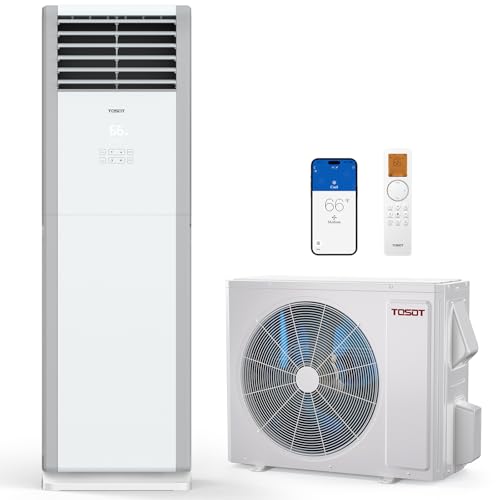
TOSOT 34,000 BTU Floor Standing Split Air Conditioner, Up to 1,150 CFM Airflow, 230V, Cooling and Heating, Built-In WiFi Control, Energy-Saving for Light Commercial & Residential Use, Cosmo Series
Check price on Amazon
Soleus Air 12,000 BTU Window Air Conditioner with 10,000 BTU Heater, Cooling, 115 Volts, 12.5" Extra Thick Wall Compatible, Wi-Fi Enabled, Saddle Mount, and Quiet Operation in White
Check price on Amazon
TOSOT 15,000 BTU PTAC Heating and Cooling, Inverter Packaged Terminal Air Conditioner with Heat Pump and 3.5 kW Electric Heater, Ventilation, Works in 20 to 115℉, 11.6 COP, R32 Refrigerant, 230V
Check price on Amazon
The 2021-2026 World Outlook for Commercial and Residential Heating, Ventilation, and Air Conditioning (HVAC)
Check price on Amazon
Residential Equipment Selection Manual S®
Check price on Amazon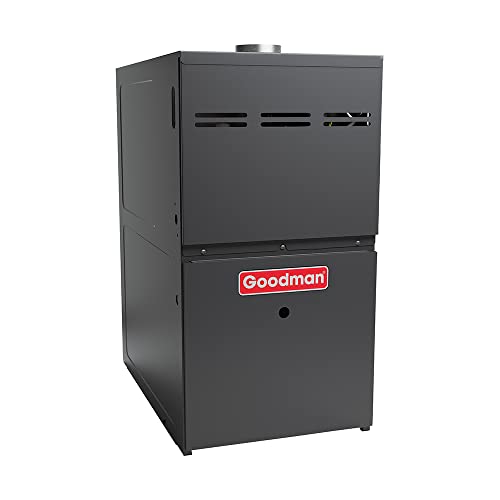
Goodman 96% AFUE Single Stage Upflow/Horizontal multi-speed 80k BTU Low NOx Natural Gas furnace (21 wide) (GR9S960804CN)
Check price on Amazon
Seasons 23,200 Btu 230/208v Window Air Conditioner With Heat
Check price on AmazonFrequently Asked Questions
What services does a residential heating and air conditioning inc company typically provide?
A full-service residential HVAC company usually covers system design, equipment installation, preventive maintenance, emergency repair, ductwork services, indoor air quality solutions, and thermostat programming. Many also offer financing options, extended service agreements, and seasonal tune-ups for both heating and cooling equipment.
How do I verify that a residential HVAC contractor is properly licensed?
Check with your state or local licensing board, confirm the contractor holds the required mechanical and refrigerant handling credentials, ask for proof of general liability and workers compensation insurance, and verify any manufacturer certifications such as NATE or factory-authorized dealer status.
Is a service agreement with a residential HVAC company worthwhile?
A maintenance agreement typically includes scheduled tune-ups, priority scheduling during peak demand, and small discounts on repairs. For homeowners who prefer to avoid emergency breakdowns and keep equipment operating efficiently, a service agreement is generally a solid long-term investment.
How often should a residential HVAC system be serviced?
Most manufacturers recommend professional servicing twice per year: once in spring for the cooling system and once in autumn for the heating system. Homes in harsh climates or with older equipment may benefit from additional inspections.
What questions should I ask before signing a maintenance agreement?
Ask what is included in each visit, how many visits per year are covered, whether priority scheduling is guaranteed, what diagnostic charges apply outside the agreement, and whether parts and labor are discounted. Also confirm how long the agreement runs and whether it renews automatically.
Can a residential HVAC company help improve indoor air quality?
Yes. Many contractors install high-efficiency filtration systems, media air cleaners, humidifiers, dehumidifiers, and ventilation equipment. During a routine visit, ask for an assessment of current airflow and filtration to see whether upgrades are worthwhile for your household.
Next steps: Use the equipment recommendations above to explore heating and cooling systems suitable for residential environments. Compare specifications, review feature sets, and check availability to find equipment that matches your household's comfort priorities and existing infrastructure.