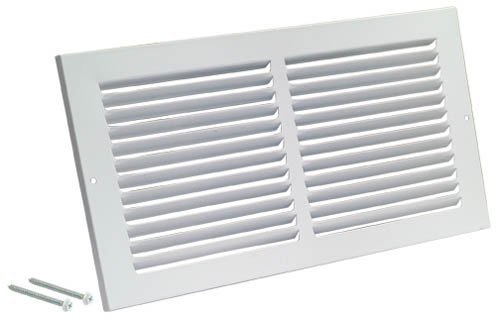
Return Vents: The Complete Guide to Better HVAC Airflow
Return vents quietly do half the work of your HVAC system. Learn how they pull air back to the air handler, why sizing and placement matter, and how to keep them performing at their best.
Most homeowners think about supply registers first: the grilles that push conditioned air into a room. Yet a balanced HVAC system depends just as much on return vents, the grilles that pull stale air back to the air handler. When return airflow is restricted, every part of the system suffers, from the blower motor to the evaporator coil.
This guide explains what return vents are, how they differ from supply registers, how to size and place them correctly, and how to diagnose common return-air problems. Whether you are planning a new installation or troubleshooting an existing system, understanding return vents helps you make smarter decisions before you call a professional.
What Is a Return Vent?
A return vent is the grille and duct pathway that draws air out of a conditioned room and back into your HVAC equipment. It completes the air loop: supply registers deliver conditioned air, and return vents recover it so it can be filtered, cooled or heated, and recirculated. Return vents are sometimes called return air grilles, return registers, or return ducts depending on which part of the assembly is being described.
Inside the air handler, the blower creates negative pressure on the return side and positive pressure on the supply side. That pressure difference is what moves air through the entire duct system. If the return side is starved, the blower has nothing to move, and the system loses capacity regardless of how well the supply side is designed.
Return Vents vs. Supply Registers
Return vents and supply registers look similar from a distance, but they serve opposite roles. Understanding the difference helps you identify what you have and spot problems quickly.
| Feature | Return Vent | Supply Register |
|---|---|---|
| Function | Pulls air back to the air handler | Delivers conditioned air into the room |
| Airflow direction | Into the grille (suction) | Out of the grille (discharge) |
| Typical location | Central hallways, large rooms, near ceilings or floors | Perimeter walls, ceilings, or floors near windows |
| Filter placement | Often at the air handler or central return grille | Rarely filtered at the register |
| Adjustability | Usually fixed; some have manual dampers | Adjustable louvers and dampers |
A quick field test: hold a tissue near the grille. If it clings to the grille, you are at a return vent. If it flutters away, you are at a supply register.
Why Return Vents Matter for Performance
Return vents influence every measurable aspect of HVAC performance: airflow, static pressure, filtration, humidity control, and energy use. Here is how each one is affected.
- Airflow and static pressure: An undersized or blocked return raises static pressure in the duct system. The blower moves less air, and the system delivers weaker cooling or heating to every room.
- Energy efficiency: When airflow drops, the blower runs longer to reach the thermostat setpoint. That extended runtime increases electricity use and accelerates wear on components. If you are comparing efficiency metrics, understanding EER ratings helps you evaluate how airflow quality affects real-world performance.
- Filtration: Air that bypasses the filter through leaky return ducting carries dust into the air handler and coils. Tight return ducting keeps filtration effective.
- Humidity control: Reduced airflow across the evaporator coil lowers the coil temperature and can cause icing, which reduces dehumidification and cooling capacity.
- Comfort and noise: Starved returns cause whistling grilles and loud blower operation. Adequate return area keeps airflow velocities low and quiet.
If your system struggles to keep rooms comfortable, return-air problems are one of several likely causes. Our guide to things to check when AC is not cooling walks through the diagnostic order, from filters to refrigerant.
How to Size Return Vents Correctly
Return vent sizing is based on airflow, not room area alone. HVAC designers size return ducts and grilles to move roughly 400 cubic feet per minute (CFM) per ton of cooling capacity while keeping face velocity through the grille at a reasonable level. A practical rule of thumb used by many contractors is about 2 square inches of free return grille area per 1,000 BTU of system capacity, adjusted for grille design.
In practice, most residential systems benefit from one return vent per level, plus additional returns in large rooms or rooms with doors that are often closed. The common ratio is one return for every two to three supply registers, but that ratio is a starting point, not a guarantee. Duct length, bends, and filter resistance all change the equation.
Factors That Affect Return Vent Sizing
- System capacity: A larger system moves more air and needs proportionally larger return area.
- Duct layout: Long runs and sharp bends increase resistance and demand more generous sizing.
- Filter type: High-MERV filters add pressure drop. The return must be sized to accommodate the filter you plan to use.
- Grille design: Bar grilles, egg-crate grilles, and filter grilles have different free-area ratios. Manufacturers publish the data.
- Number of returns: Multiple smaller returns distributed through the home often outperform one large central return in terms of comfort and noise.
Proper sizing is part of the broader system design. If you are still determining equipment capacity, start with our guide to sizing an air conditioner and pair it with a professional load calculation.
Where Should Return Vents Be Placed?
Placement determines whether return air travels efficiently through the occupied space or short-circuits back to the air handler without conditioning the room. Good placement follows a few consistent principles.
- Central hallways: A central return in a hallway serves multiple rooms through open doorways. It is common in mid-range and premium residential layouts.
- Large rooms: Rooms that are frequently closed off, such as bedrooms, home offices, or basements, usually need their own return so air can escape when the door is shut.
- Opposite supply registers: Returns placed across the room from supplies encourage air to sweep through the space before returning.
- Away from obstructions: Furniture, curtains, and rugs should not block return grilles. Keep at least a few inches of clearance.
- Not in bathrooms or kitchens: Returns in these rooms pull moisture, grease, and odors into the duct system and air handler.
In multi-story homes, each floor needs adequate return capacity. A system with strong returns on the first floor and weak returns upstairs will struggle to balance temperatures between levels. If zoning and multi-level airflow are part of your project, our residential HVAC systems guide covers the design considerations.
Common Return Vent Problems and Symptoms
Return-air faults are often mistaken for equipment failures. Before assuming the compressor or blower is failing, check the return side. These are the most frequent issues.
1. Undersized Return Vent
Symptoms include a loud blower, whistling grilles, weak airflow at supply registers, and long runtimes. The blower is trying to move more air than the return can supply. The fix is usually enlarging the return duct or adding a second return.
2. Blocked or Obstructed Return
Furniture, rugs, and storage placed in front of a return grille restrict airflow. So does a dirty filter. Check the filter first, then confirm clearance around the grille.
3. Leaky Return Ducts
Return ducts run through attics, crawlspaces, and garages. Leaks in those locations pull unconditioned, dusty air into the system. Sealing return ducting improves both efficiency and indoor air quality. If ducts are your focus, our guide to insulated air conditioning ducting explains how to improve duct performance.
4. Closed Interior Doors
Rooms without a dedicated return become pressurized when the door is closed. Air cannot leave the room, so supply airflow drops. Undercutting doors or installing return pathways solves the problem.
5. Return Air Bypassing the Filter
Gaps around filter frames let air bypass filtration. The evaporator coil collects dust and loses capacity. This is a common cause of frozen coils and reduced cooling.
Maintenance Tips for Return Vents
Return vents need little attention, but a short routine prevents most problems. These steps take only a few minutes each month.
- Vacuum the return grille face every month to remove dust buildup.
- Replace or clean the filter at the air handler or return grille according to the manufacturer schedule. High-MERV filters may need more frequent changes.
- Check that furniture and rugs are not blocking return grilles.
- Inspect accessible return ducting annually for disconnected joints or tears.
- Schedule professional maintenance once a year. Our guide to maintenance of HVAC systems covers what a technician should inspect.
Quick Diagnostic Check
If airflow feels weak, work through this sequence before calling a technician:
- Confirm the filter is clean and correctly sized.
- Check that every return grille is unobstructed.
- Verify interior doors are open or undercut.
- Listen for whistling, which signals a starved return.
- If problems persist, schedule a professional airflow assessment.
When to Call an HVAC Professional
Some return-air issues are DIY-friendly, such as changing filters and clearing obstructions. Others require design changes, duct modifications, or system rebalancing. Call a licensed professional if you notice persistent whistling, rooms that never reach the thermostat setpoint, frozen coils, or a blower that runs continuously. If you are also evaluating equipment upgrades, understanding recommended SEER ratings and available HVAC tax credits and rebates can help you plan a more efficient system.
A qualified contractor can measure static pressure, calculate return airflow, and recommend whether your system needs a larger return, an additional return, or duct sealing. When you are ready to request estimates, our guide to HVAC quotes explains how to compare proposals fairly.
Frequently Asked Questions About Return Vents
What is a return vent?
A return vent is the grille through which air is drawn back into your HVAC system after it has circulated through a room. It completes the air loop by pulling stale air into the return duct and back to the air handler for conditioning.
How many return vents should a house have?
Most homes benefit from at least one return vent per level, and often one per large room or central hallway. A common rule is one return vent for every two to three supply registers, but the correct number depends on system capacity and duct design.
Can a return vent be too small?
Yes. An undersized return vent restricts airflow, raises static pressure, and forces the blower to work harder. This can cause noisy operation, weak cooling, frozen coils, and higher energy use.
Should return vents be open or closed?
Return vents should stay open and unobstructed. Closing or blocking them starves the system of air, which reduces efficiency and can damage the blower or evaporator coil over time.
Why does my return vent whistle?
Whistling is a sign of high face velocity, usually caused by an undersized grille, a dirty filter, or a blocked return path. Increasing return area or restoring airflow usually resolves the noise.
Can I add a return vent to a room?
Yes, but it requires ductwork and a connection to the return plenum. This is a professional job in most cases because return duct sizing and system balance must be recalculated to avoid harming overall performance.