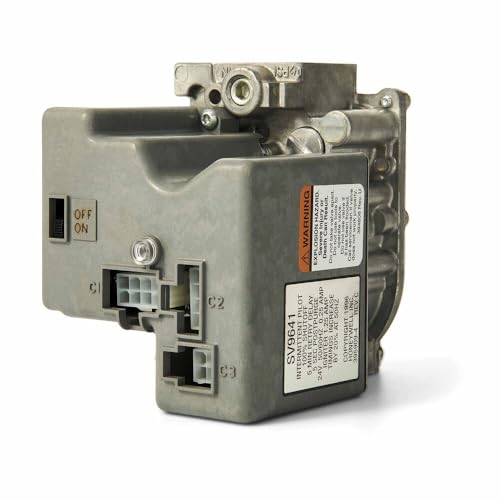
Rooftop Furnace: A Complete Homeowner's Guide
Learn how rooftop packaged units work, what factors shape their performance, and how to choose the right tier for your building before you commit to installation.
START LEARNINGResearch-First Approach: This guide is designed for owners and facility managers who have already decided to explore rooftop heating and cooling options. You know the product category, and you need clear, trustworthy information to evaluate proposals and make a confident decision. Read through the sections below, then explore product tiers and installation considerations.
What Is a Rooftop Furnace?
A rooftop furnace is a packaged heating, ventilation, and air conditioning (HVAC) unit mounted on the roof of a building. It combines the heating element, cooling coil, blower, and controls in a single weather-resistant cabinet. Conditioned air travels through ductwork routed through the roof into the interior spaces below. Because the entire system sits in one enclosure, a rooftop furnace is also known as a packaged unit or rooftop unit (RTU).
Rooftop furnaces are most commonly associated with commercial and light-commercial buildings, but they are also used in residential applications where traditional split systems are impractical — for example, in homes without basements or crawl spaces, or in regions where ground-level equipment placement is restricted. The packaged design simplifies installation, consolidates service points, and frees up interior floor space.
How a Rooftop Furnace Works
A rooftop furnace operates on the same thermodynamic principles as any HVAC system, but its packaged form factor changes how the components are arranged and serviced. The core functions are:
- Heating: A gas burner, electric resistance element, or heat pump coil warms the air inside the unit's heat exchanger.
- Cooling: An evaporator coil removes heat and humidity from the air, while an outdoor condenser rejects that heat to the atmosphere.
- Air Circulation: A blower fan pushes conditioned air through the supply ductwork and draws return air back into the unit.
- Filtration: Filters capture dust, pollen, and debris before air enters the heat exchanger and coil.
- Controls: A thermostat and control board regulate operation, staging, and safety functions.
Because the unit is exposed to weather, rooftop furnaces are built with durable construction, weather-resistant coatings, and sealed electrical compartments. Regular inspection of the cabinet, seals, and drain lines is essential to protect the system from moisture intrusion. Our article on rooftop air conditioning units provides additional context on how these packaged systems differ from split configurations.
Types of Rooftop Furnace Systems
Rooftop packaged units come in several configurations, and the right choice depends on your building's heating fuel availability, climate, and efficiency goals.
1. Gas-Electric Packaged Units
The most common configuration. A gas furnace section provides heating, while an electric air conditioning section provides cooling. These units are efficient in the long run when matched to the building's load and are widely supported by service technicians.
2. Electric-Electric Packaged Units
Both heating and cooling are electric. Electric resistance heating is simple and reliable, though it is generally less efficient than gas or heat pump alternatives. These units are common where gas service is unavailable.
3. Packaged Heat Pumps
A packaged heat pump handles both heating and cooling by reversing the refrigerant cycle. Modern cold-climate packaged heat pumps perform well in many regions and can be more efficient in the long run than separate gas and electric systems. They are a strong option for owners prioritizing efficiency and long-term operational savings.
4. Dual-Fuel Packaged Units
These units combine a heat pump with a gas furnace backup. The heat pump handles mild weather, and the gas furnace engages during extreme cold. Dual-fuel systems are feature-rich for their class and offer a good balance between efficiency and cold-weather reliability.
Sizing a Rooftop Furnace Correctly
Sizing is the most consequential decision in any HVAC project, and rooftop furnaces are no exception. An undersized unit will run continuously during peak demand and fail to maintain comfortable temperatures. An oversized unit will cycle frequently, cause temperature swings, and reduce humidity control. Both scenarios waste energy and shorten equipment life.
Proper sizing requires a professional load calculation that accounts for the building's square footage, ceiling height, insulation, window area, occupancy, and local climate. For commercial spaces, additional factors such as equipment heat gain and ventilation requirements come into play. The ductwork must also be sized and sealed to match the unit's airflow — leaks and undersized ducts can undermine even a premium system. For guidance on duct sealing, see our article on seal air ducts for efficiency.
Rooftop units are also subject to structural considerations. The roof must be able to support the weight of the unit, curb, and associated equipment, and the roof penetration must be properly flashed and sealed. A qualified contractor will assess these factors during the project planning phase.
Understanding Rooftop Furnace Efficiency Ratings
Efficiency ratings for packaged units cover both the heating and cooling sides of the system. The key metrics are:
- AFUE (Annual Fuel Utilization Efficiency): Measures how efficiently a gas or oil furnace converts fuel into heat. Higher percentages indicate better efficiency.
- SEER and SEER2: Measure cooling efficiency over a typical season. SEER2 is the updated DOE test standard for newer equipment.
- EER and EER2: Steady-state efficiency measures that complement SEER by reflecting peak-condition performance.
- HSPF and HSPF2: Relevant for packaged heat pumps, measuring heating efficiency over a season.
Entry-level units typically meet minimum federal standards, while mid-range, premium, and top-tier units exceed them. Higher efficiency generally translates to lower energy consumption over the system's lifespan, which is especially valuable in climates with long heating or cooling seasons. For a broader regulatory context, see our guide on SEER vs SEER2 DOE standards.
Comparing Rooftop Furnace Tiers
To help you evaluate proposals without relying on specific figures, the table below classifies rooftop packaged units by tier. This classification remains useful regardless of market conditions.
| Tier | Best For | Key Characteristics |
|---|---|---|
| Entry-Level | Small commercial spaces or residential retrofits seeking reliable, standards-compliant heating and cooling | Single-stage operation, basic controls, solid build quality, good value for its tier |
| Mid-Range | Buildings that need improved comfort, quieter operation, and better seasonal efficiency | Two-stage operation, higher SEER2 and AFUE ratings, compatible with programmable thermostats |
| Premium | Owners prioritizing year-round comfort, humidity control, and long-term efficiency | Variable-speed compressor and blower, smart controls, feature-rich for its class |
| Top-Tier / Commercial-Grade | Large buildings, multi-zone systems, and facilities seeking flagship-tier performance and durability | Highest efficiency ratings, premium materials, advanced diagnostics, whisper-quiet operation |
When comparing proposals, ask your contractor to specify the tier of each unit and the concrete performance differences it delivers. A well-installed mid-range unit often outperforms a premium unit installed with neglected ductwork or a poorly sealed roof curb.
Rooftop Furnace Installation Considerations
Installing a rooftop furnace is a multi-trade project that involves structural, roofing, electrical, and mechanical work. The main considerations include:
- Structural Support: The roof and framing must support the unit, curb, and any accessory equipment. A structural assessment is essential.
- Roof Curb and Flashing: A properly installed curb and flashing prevent water intrusion and ensure the unit sits level.
- Crane Access: Most rooftop units require a crane for placement. Site access and scheduling must be planned in advance.
- Electrical and Gas Connections: Power and gas lines must be routed and connected in compliance with local codes.
- Ductwork Connections: Supply and return ducts must be securely connected to the unit and sealed to prevent leakage.
- Condensate Drainage: A properly sloped drain line routes condensate away from the roof and building.
- Permits and Inspections: Most jurisdictions require permits for HVAC replacement and rooftop penetrations. The contractor should handle these as part of the project.
For a closer look at how rooftop units compare with ground-mounted central systems, see our article on roof-mounted central air conditioning units. Our guide on RTU unit HVAC also explains the broader rooftop unit category.
Maintaining a Rooftop Furnace
Because rooftop furnaces are exposed to the elements year-round, maintenance is especially important. A consistent routine protects efficiency, reliability, and safety.
Routine Tasks
- Replace or clean air filters every one to three months, depending on usage and dust levels.
- Inspect the cabinet for rust, damage, or water intrusion after severe weather.
- Clear debris from around the unit and from the condensate drain.
- Check the roof curb and flashing for signs of leakage.
- Verify that supply and return ducts are securely connected and sealed.
Professional Service
- Annual inspections before heating and cooling seasons.
- Heat exchanger inspection for cracks or corrosion.
- Burner cleaning and combustion analysis (gas units).
- Refrigerant level checks and coil cleaning (cooling side).
- Electrical connection tightening and control calibration.
- Blower and fan motor lubrication and belt inspection where applicable.
Regular professional servicing is a worthwhile investment that extends the life of the unit and protects building occupants. For a broader look at HVAC maintenance practices, see our guide on servicing HVAC system. Our article on preventive maintenance of air conditioning unit covers the cooling side in more detail.
Choosing the Right Rooftop Furnace
With the fundamentals in hand, the selection process becomes clearer. Consider the following decision framework:
- Assess your building's structure: Confirm that the roof can support the unit and that access for installation and service is practical.
- Determine your fuel and efficiency goals: Gas-electric, electric-electric, packaged heat pump, and dual-fuel configurations each suit different priorities.
- Match the tier to your long-term plans: If you plan to remain in the building for many years, a premium or top-tier unit can be efficient in the long run.
- Compare at least three proposals: Ask for load calculations, equipment tiers, roof curb details, and warranty terms.
- Plan for maintenance: A well-maintained mid-range unit often outlasts a neglected premium unit.
For residential retrofits, consider how the rooftop approach compares with alternative system types. Our article on residential air conditioning explains the full range of options, and our guide on rooftop heating and air conditioning units provides additional context on combined systems.
Frequently Asked Questions
What is a rooftop furnace?
A rooftop furnace is a packaged heating and cooling unit installed on the roof of a building. It combines the heating element, cooling coil, and blower in a single weather-resistant cabinet, with ductwork routed through the roof to condition the interior spaces below.
How long does a rooftop furnace last?
A well-maintained rooftop furnace typically lasts 15 to 20 years. Units with durable construction, weather-resistant coatings, and rust-proof finishes often reach the upper end of that range when serviced regularly by a qualified technician.
Is a rooftop furnace suitable for residential homes?
Rooftop furnaces are most common in commercial and light-commercial buildings, but they are also used in some residential applications, particularly in regions where crawl spaces or basements are unavailable. A structural assessment is essential before installation to confirm the roof can support the unit.
What efficiency rating should I look for in a rooftop furnace?
Look for a high AFUE rating for the heating side and a strong SEER2 rating for the cooling side of a packaged unit. Higher-tier systems exceed minimum federal standards and are efficient in the long run, especially in climates with long heating or cooling seasons.
Can a rooftop furnace also provide air conditioning?
Yes. Most rooftop packaged units are combined heating and cooling systems. The heating section may be gas, electric resistance, or heat pump, while the cooling section uses a standard vapor-compression refrigeration cycle.
How often should a rooftop furnace be serviced?
Annual professional servicing is recommended, ideally before each heating and cooling season. Between visits, filter changes and visual inspections of the cabinet and drain lines help protect the unit from weather-related damage and efficiency loss.