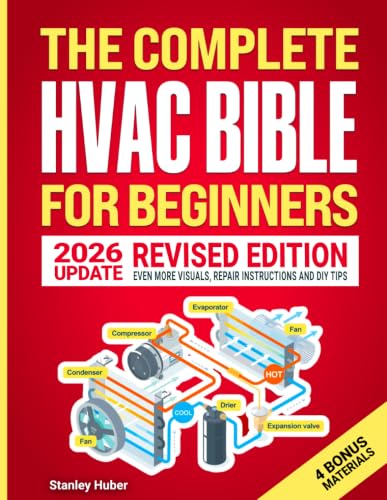
Your HVAC system is one of the most valuable investments in your home. It keeps your family comfortable year-round, controls humidity, and contributes to indoor air quality. Yet like any mechanical system, it requires regular servicing to perform reliably and efficiently. Neglecting maintenance can lead to higher energy usage, unexpected breakdowns, and premature equipment failure.
This guide explains why servicing your HVAC system matters, what to expect from professional tune-ups, which tasks homeowners can safely perform, and how to build a maintenance routine that protects your comfort and your equipment for years to come.
Why Servicing Your HVAC System Matters
HVAC equipment operates under constant mechanical stress. Compressors, blower motors, fans, and electrical components all wear gradually with use. Without periodic servicing, small issues compound into larger problems.
Key reasons to prioritize regular HVAC servicing:
- Energy efficiency: Clean coils, proper refrigerant charge, and well-lubricated motors reduce energy consumption.
- Reliability: Pre-season tune-ups catch emerging issues before they cause breakdowns during extreme weather.
- Equipment lifespan: Regular service extends the working life of compressors, furnaces, and air handlers.
- Indoor air quality: Clean filters and coils reduce dust, allergens, and mold growth inside the system.
- Safety: Furnace inspections verify proper combustion, venting, and safety controls.
- Warranty protection: Many manufacturers require documented maintenance to honor warranty claims.
Whether you have a central air conditioning system, a heat pump, or a ductless mini-split, the principles of good servicing remain consistent. For broader context on system types, see our guide on residential air conditioning.
DIY Maintenance vs Professional Servicing
Some HVAC maintenance tasks are safe for homeowners to perform, while others require specialized training, tools, and licensing. The table below outlines the division.
| Task | DIY-Friendly | Professional Recommended | Notes |
|---|---|---|---|
| Filter replacement | Yes | — | Every 1–3 months depending on usage and filter type |
| Outdoor coil cleaning | Yes | — | Rinse gently with garden hose; avoid bending fins |
| Clearing debris around unit | Yes | — | Maintain two feet of clearance around outdoor unit |
| Thermostat battery check | Yes | — | Replace batteries annually to prevent programming loss |
| Refrigerant charge verification | No | Yes | Requires EPA certification and gauges |
| Electrical component inspection | No | Yes | Capacitors, contactors, and wiring require professional diagnosis |
| Blower motor lubrication | No | Yes | Many modern motors are sealed; professional guidance advised |
| Duct inspection and sealing | Partial | Yes | Sealing accessible leaks is DIY-friendly; diagnosis requires expertise |
| Furnace combustion analysis | No | Yes | Critical safety check for gas appliances |
| Condensate drain clearing | Yes | Yes | Homeowners can flush drains; professionals can inspect the full drain path |
Seasonal HVAC Maintenance Checklist
Dividing maintenance into spring and fall tasks helps you stay organized and ensures both cooling and heating equipment are ready when needed.
Spring Checklist (Before Cooling Season)
- Replace air filters throughout the system.
- Clean outdoor condenser coils and clear surrounding debris.
- Inspect and clear the condensate drain line.
- Test the air conditioning system and check for unusual sounds or odors.
- Verify thermostat operation and replace batteries if needed.
- Schedule a professional tune-up for the cooling system.
Fall Checklist (Before Heating Season)
- Replace air filters again, especially after heavy summer use.
- Clear leaves and debris from around the outdoor unit.
- Test the heating system for even, steady warmth.
- Inspect the furnace area for soot, corrosion, or unusual odors.
- Check the flue and venting for blockages (visible portions only).
- Schedule a professional furnace or heat pump service.
Our seasonal AC checklist provides additional detail you can adapt to your system.
What Professional HVAC Servicing Includes
A professional tune-up is more than a quick inspection. When you schedule HVAC servicing, expect the technician to perform a systematic list of checks.
Cooling System Service
- Filter inspection and replacement: Verifies airflow and advises on filter type and replacement frequency.
- Condenser and evaporator coil cleaning: Restores heat transfer efficiency.
- Refrigerant charge verification: Confirms the system is properly charged and checks for leaks.
- Electrical inspection: Tests capacitors, contactors, and connections for wear.
- Blower motor and fan inspection: Checks operation, lubrication, and belt tension if applicable.
- Condensate drain clearing: Prevents water damage from blocked drains.
- Thermostat calibration: Ensures accurate temperature control.
- Airflow measurement: Verifies that the system is moving the expected volume of air.
Heating System Service
- Combustion analysis: For gas furnaces, checks for proper fuel-air mixture and safe operation.
- Heat exchanger inspection: Detects cracks or corrosion that could allow carbon monoxide into the home.
- Burner cleaning and adjustment: Supports efficient, clean combustion.
- Flue and venting inspection: Confirms exhaust gases are properly routed.
- Safety control testing: Verifies limit switches, flame sensors, and other safety devices.
- Blower motor and fan inspection: Ensures proper airflow for heating.
For related guidance, see our articles on servicing air conditioning units and servicing furnaces.
Signs Your HVAC System Needs Immediate Service
Beyond scheduled maintenance, certain symptoms indicate that your system requires attention right away:
- Reduced cooling or heating performance: The system runs but does not reach the thermostat setting.
- Unusual noises: Grinding, rattling, or screeching sounds often indicate mechanical issues.
- Foul odors: Musty smells may indicate mold, while burning smells suggest electrical or combustion problems.
- Water leaks: Puddles around the indoor unit or outdoor condenser point to drainage or refrigerant issues.
- Frequent cycling: Short on-off cycles reduce efficiency and strain components.
- Rising energy usage: A sudden spike in energy consumption often signals declining efficiency.
Our guides on reasons an air conditioner is not cooling in a house and reasons why an air conditioner is not cooling explain common causes and solutions.
Choosing an HVAC Service Provider
Professional servicing is only as good as the contractor performing it. When selecting a service provider, consider these factors:
- Licensing and insurance: Verify that the contractor is properly licensed and insured in your area.
- Certification: Technicians handling refrigerant should be EPA Section 608 certified.
- Experience: Ask about experience with your specific system type and brand.
- Written estimates: Request detailed service agreements outlining what is included.
- Reviews and referrals: Check customer feedback and ask for references.
- Warranty terms: Confirm that the contractor offers a workmanship guarantee.
For additional guidance on selecting a contractor and planning service, see preventive maintenance of air conditioning units.
HVAC Maintenance Plans: Are They Worth Considering?
Many HVAC companies offer annual maintenance plans that bundle seasonal tune-ups, priority scheduling, and discounts on repairs. For homeowners who prefer a hands-off approach to maintenance, these plans can simplify scheduling and ensure service is not forgotten.
When evaluating a maintenance plan, consider:
- What specific services are included per visit.
- Whether the plan covers both heating and cooling equipment.
- Priority scheduling benefits during peak seasons.
- Discounts on parts and labor for covered repairs.
- Terms and cancellation policies.
Well-structured plans can be a good value for households that want consistent, professional care. For related considerations, see replacement HVAC system considerations.
Long-Term Benefits of Consistent HVAC Servicing
Consistent servicing delivers cumulative benefits that grow over the life of your system:
- Extended equipment life: A well-maintained system can outlast a neglected one by several years.
- More stable indoor comfort: Consistent airflow and proper refrigerant charge deliver even temperatures and humidity control.
- Fewer emergency repairs: Early detection of small issues prevents costly failures.
- Better indoor air quality: Clean filters and coils reduce allergens and pollutants in the air you breathe.
- Peace of mind: Knowing your system is ready for seasonal extremes reduces stress and uncertainty.
Frequently Asked Questions
How often should an HVAC system be serviced?
Most manufacturers recommend servicing your HVAC system at least twice a year—once in spring before cooling season and once in fall before heating season. Systems in heavy-use climates or with older equipment may benefit from quarterly service.
What is included in professional HVAC servicing?
Professional HVAC servicing typically includes filter inspection and replacement, coil cleaning, refrigerant charge verification, electrical connection checks, blower motor lubrication, condensate drain clearing, thermostat calibration, and safety control testing.
Can I service my HVAC system myself?
Homeowners can safely perform basic tasks such as changing filters, cleaning outdoor coils, clearing debris, and checking thermostat batteries. Refrigerant handling, electrical diagnostics, and internal component repairs should always be left to licensed HVAC technicians.
What happens if I skip HVAC servicing?
Skipping regular HVAC servicing can lead to reduced efficiency, higher energy bills, more frequent breakdowns, shorter equipment life, and potential safety hazards such as carbon monoxide leaks from gas furnaces. Regular maintenance also helps preserve warranty coverage.