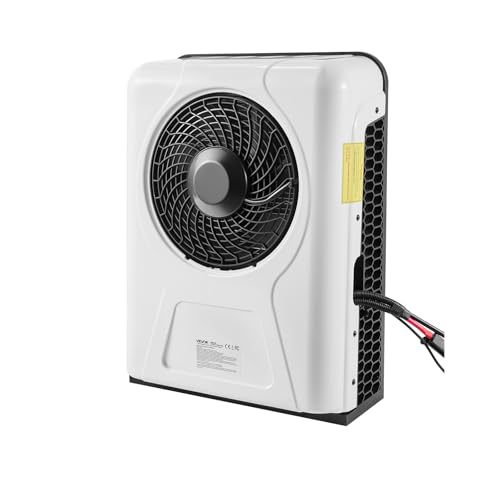
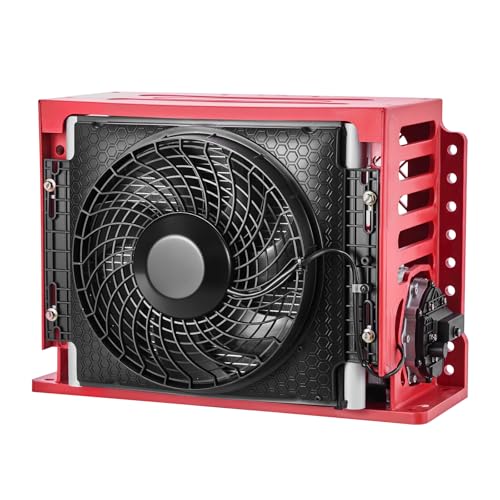
Semi Truck Battery Powered Air Conditioner: Complete Guide
Idling the main engine just to stay cool is hard on the truck, the fuel bill, and anti-idling compliance. A battery powered air conditioner lets drivers rest comfortably with the engine off. This guide explains how these systems work, what battery capacity means for runtime, and how to choose the right setup for a sleeper cab.
Written for owner-operators and fleet managers researching battery powered truck cooling.
What a Battery Powered Truck AC Is
A battery powered air conditioner for a semi truck is a cooling system that runs from a dedicated battery bank rather than from the truck's main engine. The system is designed for rest periods and layovers, when the driver wants to sleep comfortably without idling the tractor for hours.
The basic architecture includes four parts:
- A dedicated battery bank. Deep-cycle batteries sized to run the cooling system through the rest period.
- The AC unit itself. A compact cooling system designed for sleeper cab dimensions and power constraints.
- A charging source. The battery bank is typically recharged while driving through the truck's alternator, by a dedicated small alternator, or by shore power.
- Controls and safety. A thermostat or controller manages runtime, and low-voltage protection prevents the battery bank from being drained to a damaging level.
Because the system does not run the main engine, it addresses two common pain points: fuel consumed by idling and wear on the engine from prolonged low-load operation. If you are comparing this approach with other cooling methods for trucks, our overview of roof-mounted air conditioning units for trucks covers the broader category.
Key distinction: A battery powered AC is not the same as an engine-driven APU. Both aim to reduce idling, but an APU uses a dedicated small engine while a battery system uses stored electrical energy. Each has trade-offs in noise, emissions, runtime, and maintenance.
Main Types of Truck Cooling Systems
There are several approaches to keeping a sleeper cab cool without idling the main engine. The right one depends on how the truck is used, how long the rest periods typically are, and whether the driver has access to shore power.
Battery Powered AC
- Runs entirely from a dedicated battery bank.
- Quiet and produces no local emissions.
- Runtime is limited by battery capacity.
- Requires a well-designed charging plan.
Engine-Driven APU
- Uses a dedicated small diesel engine.
- Longer runtime than most battery systems.
- Adds a maintenance item and produces some noise and emissions.
- Often provides both cooling and electrical power.
Shore-Power Truck AC
- Runs from grid power at designated truck stops.
- Very quiet and efficient when power is available.
- Depends on shore power availability along the route.
- Our guide on rooftop RV air conditioning covers related considerations for vehicles.
Passive and Ventilation Options
- Roof vents, fans, and window screens.
- Helpful in mild weather but limited in extreme heat.
- Often used as a supplement rather than a primary solution.
For fleet managers comparing options, our overview of rooftop heating and air conditioning units covers the combined heating and cooling side of the category.
Battery Banks and Runtime Expectations
Battery capacity is the single biggest factor in how a battery powered truck AC performs. A system that runs out of charge in the middle of the night is not useful, and a system with an unnecessarily large battery bank adds weight and reduces payload.
The main variables are:
- Battery bank capacity. Measured in amp-hours at the system voltage. A larger bank supports longer runtime but adds weight.
- System voltage. Most heavy trucks use 12V or 24V systems, and the AC unit must match the battery architecture.
- Cooling load. Sleeper cab size, insulation, ambient temperature, and sun exposure all affect how hard the unit works.
- Charging path. A dedicated small alternator can recharge the bank much faster than the main alternator alone, especially on short-haul routes.
- Low-voltage cutoff. A well-designed system protects the battery bank from deep discharge, which shortens battery life and can leave the driver without cooling.
Rather than treating runtime as a single number, think of it as a matched system. The installer should size the battery bank around the typical rest period, the charging time available between stops, and the climate along the route. Our overview of programmable thermostats for heating and cooling is useful background for how set-point control affects energy use.
Practical note: A battery powered AC unit is only as good as the charging plan behind it. Drivers on long-haul routes with many driving hours typically have more recharge time than drivers on short-haul routes with frequent stops. The charger and battery bank should be sized together.
Installation Considerations
Installing a battery powered truck AC is a modification to the truck, so planning matters. The main considerations are:
- Mounting location. Units are typically mounted on the sleeper roof, on a rear wall bracket, or in a dedicated compartment. The location affects airflow, aesthetic integration, and how the truck interacts with the trailer.
- Battery placement. Additional batteries need a secure, ventilated location. Some installs use the existing battery box with an expansion, while others add a dedicated tray.
- Wiring and fusing. The system requires proper gauge wiring, fusing, and a disconnect. Our overview of checking a home electrical panel covers the general principle of verifying electrical capacity, which applies in spirit to the truck's electrical architecture.
- Charging integration. The charging source must be integrated so that the AC bank does not drain the cranking batteries. Isolation components are essential.
- Airflow and drainage. The unit needs adequate clearance for intake and exhaust airflow, and condensate must drain away from the sleeper.
- Permits and compliance. Local and federal rules vary, and anti-idling compliance programs may require documentation for installed systems.
A professional installer familiar with heavy truck electrical systems is strongly recommended. The system is only as reliable as its integration with the truck.
Equipment Tiers Explained
Battery powered truck AC systems range from compact cooling-only units to full sleeper comfort systems. To keep the comparison neutral and durable, we describe systems by tier rather than by figures that change quickly.
| Tier | Best For | What to Expect |
|---|---|---|
| Entry-level | Owner-operators running shorter rest periods or mild climates. | Compact cooling-only units paired with a modest battery bank. A solid choice for the tier when the rest period is predictable and the route offers regular charging. |
| Mid-range | Drivers who want reliable overnight cooling across a wider range of climates. | Larger battery banks, better-insulated sleeper integration, and improved controls. Often competitive within its class on long-term reliability. |
| Premium | Long-haul drivers and fleets where comfort and uptime are the priorities. | High-efficiency systems with heat pump capability, dedicated charging, and advanced controls. A long-term investment for the truck and driver. |
How to use this: Ask which tier a proposed system belongs to and why. A premium system with an undersized battery bank will not deliver its potential, while a mid-range system on a well-planned charging setup often performs better than expected.
Anti-Idling Compliance and Fleet Use
Many states and municipalities restrict how long a heavy truck may idle. Battery powered cooling helps drivers comply because the main engine can stay off while the sleeper stays comfortable. Fleets often adopt these systems for three reasons:
- Regulatory compliance. Anti-idling rules can carry penalties, and a documented battery powered system is straightforward to defend.
- Fuel and wear savings. Idling burns fuel and adds hours to the engine without moving the truck.
- Driver retention and comfort. A quiet, cool sleeper is a meaningful quality-of-life improvement on the road.
Before installing a system, confirm the current rules in the jurisdictions the truck operates in. Requirements can differ between states and between local and federal programs. Document the installed system, the installer, and the charging method so that compliance can be demonstrated if asked.
Maintenance and Lifecycle
A battery powered truck AC system has maintenance needs in two areas: the cooling unit and the battery bank.
- Air filter and airflow. Dust and road grime restrict airflow and reduce cooling. Filters should be checked on a regular schedule, and the intake and exhaust paths should be kept clear.
- Coil cleaning. The condenser coil collects debris from the road. Cleaning it protects efficiency and extends the unit's life. Our guide on cleaning condenser coils covers the general approach.
- Battery health. Deep-cycle batteries degrade over time. Regular voltage checks and a periodic capacity test help catch a weakening bank before it fails on the road.
- Charging system inspection. Loose connections, corroded terminals, and failing chargers are common causes of reduced runtime.
- Mounting and hardware. Vibration is hard on roof-mounted equipment. Inspect brackets, seals, and fasteners at regular intervals.
For drivers who also run roof-mounted RV-style equipment, our overview of rooftop RV air conditioning covers related maintenance points. Preventive maintenance is the best way to protect the investment in a battery powered system.
Frequently Asked Questions
How long can a semi truck battery powered air conditioner run?
Runtime depends on the battery bank capacity, the cooling load, and the efficiency of the unit. A well-matched system paired with a dedicated deep-cycle battery bank can typically cool a sleeper cab through an overnight rest period, while smaller battery banks deliver shorter runtimes. The right size is determined by the installer based on the truck and the driver's rest schedule.
Do battery powered truck AC units need the engine to run?
No. The purpose of a battery powered system is to provide cooling without idling the engine. The battery bank is charged while driving or by shore power, and the AC unit draws from that bank during rest periods. Some systems also include a small dedicated alternator to recharge the bank faster.
What is the difference between a battery powered AC and an engine-driven APU?
An engine-driven auxiliary power unit (APU) uses its own small diesel engine to power cooling and electrical loads. A battery powered AC unit uses a battery bank instead, which is quieter and produces no local emissions, but runtime is limited by battery capacity. Both approaches are designed to reduce main-engine idling.
Can a battery powered AC unit also provide heating?
Some systems are available as heat pump models that provide both cooling and heating, while others focus on cooling only. The right choice depends on the climate and how the truck is used. In cold climates, a heat pump model can be a useful addition to the existing bunk heater.
Is a battery powered air conditioner legal for anti-idling compliance?
Battery powered cooling systems are widely used to comply with anti-idling regulations because they allow the driver to rest without running the main engine. Exact rules vary by state and jurisdiction, so drivers and fleets should confirm local requirements and keep documentation for the installed system.
Ready to Compare Battery Powered Truck Cooling Options?
If you have confirmed the rest schedule and charging plan for your truck, start by comparing the equipment tiers available for your situation.
Explore Truck AC Options