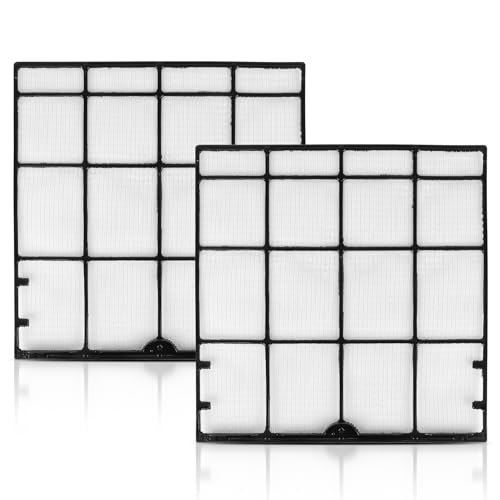
Why Split AC Filters Need Regular Attention
A split AC unit draws room air through a return grille and across the evaporator coil. The filter sits between the room and the coil, trapping dust, lint, pet hair, pollen, and other particles before they reach the fins. Over time, that layer of trapped debris builds up and becomes an airflow bottleneck.
When airflow drops, the system cannot move enough air across the coil. The coil gets colder than it should, condensation can freeze, and the compressor runs longer to compensate. The result is reduced cooling, higher energy use, and a shorter service life for your equipment. In humid climates, a dirty filter can also contribute to musty odors and microbial growth inside the air handler.
Understanding the relationship between filters and airflow is part of a wider picture of split system air conditioning maintenance. Filter care is the first line of defense and the task most frequently neglected by homeowners.
Signs Your Filter Needs Cleaning or Replacement
- Visible dust buildup on the mesh when you hold it up to the light.
- Reduced airflow from the indoor unit — you can barely feel the supply air.
- The room takes noticeably longer to reach the set temperature.
- Musty or dusty odors when the system starts.
- Ice forming on the indoor coil or refrigerant lines.
- The unit cycles on and off more frequently than usual.
- Increased dust settling on furniture and surfaces.
Step-by-Step Split AC Filter Replacement
Cleaning a washable mesh filter is usually enough for routine maintenance. Full replacement is needed when the mesh is damaged, permanently clogged, or when you want to upgrade filtration. The procedure below covers both, and it applies to most wall-mounted systems, including the split system wall mounted air conditioner format common in homes.
-
1
Power Down Safely
Turn the unit off with the remote, then switch off the breaker at the panel. Never open the indoor unit while it is running.
-
2
Open the Front Panel
Lift the hinged front cover from the bottom edges. Most panels swing upward and stay open on their hinges.
-
3
Remove the Filters
Slide each mesh filter out of its slot. Handle gently — the frame and mesh tear easily if pulled at an angle.
-
4
Inspect Condition
Hold up to the light. If the mesh is torn, stretched, or clogged with embedded debris that will not rinse out, replace it.
-
5
Rinse and Clean
Rinse under lukewarm water from the clean side. Use a soft brush and mild detergent for stubborn dust. Never use hot water.
-
6
Dry Completely
Shake off excess water and air-dry in the shade. Do not reinstall a wet filter — moisture encourages mold growth.
-
7
Reinstall or Replace
Slide the dry filter back into its slot with the airflow arrow facing the coil. If replacing, fit the new filter the same way.
-
8
Close and Test
Close the front panel firmly, restore power, and run the unit. Confirm strong airflow from the supply louver.
Cleaning vs. Replacing: What Is Right for Your Filter?
Most split ACs ship with washable mesh filters. These are designed for repeated cleaning and can last for years if handled carefully. Replacement becomes the better choice in specific situations.
| Filter Condition | Recommended Action | Best For |
|---|---|---|
| Light dust, intact mesh | Rinse and reinstall | Routine maintenance (every 2–4 weeks) |
| Heavy dust, no damage | Deep clean with mild detergent | Seasonal deep cleaning |
| Torn or stretched mesh | Replace filter | Restoring proper filtration |
| Permanent clog or odor | Replace filter | Homes with pets or smokers |
| Upgrading filtration | Replace with compatible high-efficiency filter | Allergy-sensitive households |
If you are considering a filtration upgrade, check the static pressure limits of your unit first. High-density filters can reduce airflow if the blower is not designed for them. A mid-tier pleated filter is usually a balanced choice for standard residential systems.
How Often Should You Replace a Split AC Filter?
There is no single answer that fits every home, but the following schedule works for most households:
- Cleaning: every 2–4 weeks during peak cooling season.
- Replacement: every 6–12 months for standard mesh filters.
- High-dust homes: clean weekly, replace every 3–6 months.
- Homes with pets: clean every 1–2 weeks, inspect for replacement every 3 months.
- Seasonal homes: clean before the first use and again mid-season.
In dusty or pollen-heavy regions, the schedule tightens. If you notice airflow dropping before the scheduled cleaning, clean early. The filter is inexpensive compared to the components it protects — the blower motor, evaporator coil, and compressor.
The Cost of Neglecting Filter Replacement
A restricted filter forces the blower to work against higher static pressure. Over months, this can lead to motor overheating, coil icing, and refrigerant-related faults. In many service calls for split system air conditioning repairs, a clogged filter is either the root cause or a contributing factor. Regular filter care is the most effective preventive measure a homeowner can take.
Choosing the Right Replacement Filter
Split AC filters are not universal. Dimensions, frame thickness, and mounting slots vary by brand and model. Before ordering, locate the model number on the indoor unit nameplate and match it to the correct filter.
Types of Split AC Filters
- Washable mesh (standard): the factory filter supplied with most units. Reusable, easy to clean, and adequate for general dust capture.
- Antibacterial mesh: treated mesh that inhibits microbial growth. A solid upgrade for humid climates.
- Pleated media: higher dust-holding capacity. Useful for allergy-sensitive households, but verify airflow compatibility.
- Carbon or odor-control filters: add activated carbon for odor reduction. Often used as a secondary layer.
- HEPA-style inserts: available for some models. Effective for fine particles but can restrict airflow; check the unit's specifications.
When upgrading, choose a filter with a pressure drop your blower can handle. A well-specified filter for the category protects both air quality and system performance. For more on system-level considerations, see the broader guide to split air conditioner units.
Common Mistakes to Avoid
- Reinstalling a wet filter: moisture promotes mold and can damage the coil. Always air-dry completely.
- Using hot water or harsh chemicals: this warps the mesh and degrades the frame.
- Brushing against the coil: the aluminum fins bend easily and are sharp. Keep the brush on the filter only.
- Forcing an ill-fitting filter: gaps let dust bypass filtration and reach the coil.
- Skipping the outdoor unit: filter care is only half the job. The condenser coil and drain line also need periodic attention.
- Ignoring the drain pan: a clean filter reduces condensate load, but the drain still needs flushing to prevent clogs.
Beyond the Filter: Related Maintenance Tasks
Filter replacement is the highest-impact, lowest-effort task, but a complete maintenance routine includes a few other checks. Cleaning the evaporator coil surface, flushing the condensate drain, and inspecting the outdoor condenser coil keep the whole system efficient. If your unit is a heat pump configuration, the same filter care applies year-round — see split system air conditioner and heat pump guidance.
For homes with multiple zones, each indoor head has its own filter. A two-head mini split setup requires two separate filter checks. Multi-zone systems in larger properties may use VRF systems, where filter maintenance follows a scheduled service plan.
If the indoor unit develops unusual symptoms after a filter change — such as water dripping, unusual noise, or weak cooling — review the troubleshooting air conditioning guide before calling a technician.
Frequently Asked Questions
How often should I replace the filter in a split AC?
Clean every two to four weeks during heavy use and replace every six to twelve months. Homes with pets, dust, or high pollen exposure need more frequent replacement.
Can I wash a split AC filter instead of replacing it?
Yes. Most washable mesh filters can be rinsed with lukewarm water and mild detergent. If the mesh is torn, stretched, or permanently clogged, replace it instead.
What happens if I never replace my split AC filter?
A clogged filter restricts airflow, forcing the blower and compressor to work harder. This reduces cooling performance, raises energy use, can freeze the evaporator coil, and degrades indoor air quality.
Are split AC filters universal?
No. Dimensions vary by brand and model. Always match the filter to your indoor unit model number, or use washable mesh filters designed for your specific unit.
Can a dirty filter cause the AC to leak water?
Yes. Restricted airflow can cause the evaporator coil to ice up, and when that ice melts, water may overflow the drain pan. A clean filter helps prevent this chain of events.
Ready to Upgrade Your Filtration?
Browse compatible replacement filters and split AC accessories selected for performance and fit.
VIEW RECOMMENDED FILTERSThis guide is for educational purposes. Always follow your manufacturer's instructions for your specific split AC model. If you are unsure about any step, consult a qualified HVAC technician.