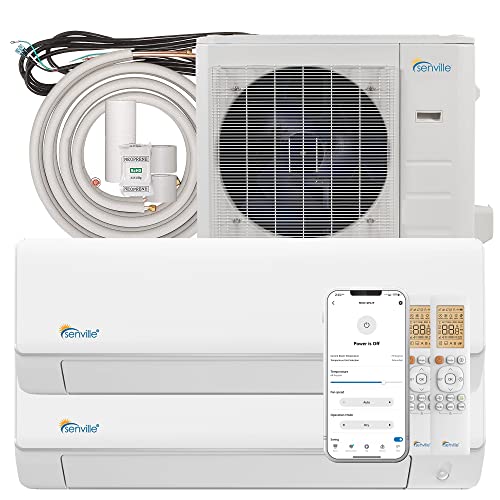
Two Head Mini Split: Complete Guide to Dual-Zone Systems
Everything you need to know about two head mini split systems — how dual-zone ductless setups work, how to size and place each indoor head, installation essentials, and maintenance practices that keep both rooms comfortable.
EXPLORE DUAL-ZONE SYSTEMSWhy a two head mini split makes sense for many homes: If you have two rooms that need independent temperature control — a bedroom and a living room, a home office and a guest room, or two upstairs bedrooms — a dual-zone ductless system lets you condition both from a single outdoor unit. This guide explains how that architecture works, what to check before you commit, and how to get the most from each indoor head.
What Is a Two Head Mini Split?
A two head mini split is a ductless system with one outdoor condenser connected to two separate indoor air handlers. Each indoor head is mounted in a different room and controlled independently, either by its own remote or by a wall thermostat. Refrigerant lines and electrical connections run from the outdoor unit to each head, and a condensate drain carries moisture away from each indoor unit.
The "two head" terminology distinguishes this configuration from single-zone mini splits (one indoor head) and larger multi-zone systems (three or more indoor heads). Two head systems are a practical middle ground: they provide multi-room comfort without the complexity and outdoor footprint of a larger multi-zone setup.
For a broader comparison of how dual-zone systems fit alongside other ductless configurations, the guide to split ductless systems is a useful companion read.
Key Features of Two Head Mini Split Systems
Dual-zone systems share the core architecture of any mini split, but a few features matter more when two rooms are involved. Understanding them helps you evaluate specific models.
Independent Temperature Control
Each indoor head has its own setpoint and schedule. This is the defining advantage of a multi-zone system: one room can be cooled aggressively while the other stays at a milder setting. The outdoor unit modulates compressor speed to match the combined demand.
Simultaneous Operation
Both indoor heads can run at once, but the total combined demand cannot exceed the outdoor unit's rated capacity. If both rooms call for full cooling simultaneously, each head may receive less than its maximum rated output. Sizing should account for the realistic simultaneous load rather than the sum of both rooms at peak.
Inverter Compressor
Most two head systems use inverter-driven compressors that modulate speed based on total demand. When only one head is running, the compressor slows down; when both are running, it ramps up. This produces steadier temperatures and better efficiency than fixed-speed systems. The inverter AC overview explains the operational differences.
Heat Pump Capability
Many two head mini splits are heat pumps capable of both cooling and heating. Each indoor head can deliver warm air in winter by reversing the refrigerant cycle. The split system air conditioning and heating guide explains cold-weather performance and defrost behavior.
Single Outdoor Footprint
Instead of two separate outdoor condensers, a two head system uses one. This saves outdoor space, reduces visual clutter, and simplifies the electrical work. The trade-off is that line sets for both heads must route to the same outdoor location, which may constrain placement.
Shared or Independent Remotes
Most systems ship with one remote per indoor head, and some include a central controller. Wi-Fi connectivity is increasingly common, allowing app-based scheduling for each zone. The split unit thermostat guide covers control compatibility.
Advantages and Limitations of Two Head Mini Splits
Every system configuration carries trade-offs. Being honest about both sides helps you match the setup to your home and habits.
Strengths
- Independent temperature control for two rooms
- Single outdoor unit saves space and simplifies installation
- No ductwork required, preserving ceiling height
- Quiet indoor operation because the compressor is outdoors
- High energy efficiency ratings, especially inverter models
- Heat pump variants provide both cooling and heating
Considerations
- Both line sets must route to the same outdoor location
- Total capacity is shared, so simultaneous peak demand may be limited
- Two wall penetrations are required for refrigerant and drain lines
- Professional installation is necessary for refrigerant line work
- Each indoor head must be placed thoughtfully for airflow
- Multi-zone outdoor units are larger than single-zone equivalents
Sizing a Two Head Mini Split Correctly
Sizing a two head system is more nuanced than sizing a single-zone unit. You must size each indoor head for its room and size the outdoor unit for the realistic combined demand, not the sum of both heads at maximum.
Start by calculating the load for each room individually. A room of roughly 150 to 250 square feet typically pairs with a 6,000 to 8,000 BTU indoor head, while 250 to 400 square feet calls for approximately 9,000 to 12,000 BTU. The detailed walkthrough in how to size an air conditioner explains how to adjust for sun exposure, ceiling height, and occupancy.
Next, consider how often both rooms will demand full cooling at the same time. If the two rooms are used at different times — a bedroom and a home office, for example — the outdoor unit can be sized closer to the larger room's load plus a margin. If both rooms are likely to run at full demand simultaneously, the outdoor unit must be sized to handle the combined load. The AC too big or too small guide explains the consequences of mis-sizing.
Efficiency ratings matter as much as capacity. SEER2 values indicate cooling efficiency, and higher ratings translate to lower energy consumption over the equipment's life. The primer on SEER ratings explains how to interpret these numbers.
Tier Comparison: Matching the System to Your Priorities
Two head mini split systems are available across a range of market positions. The table below summarizes what each tier typically emphasizes, without reference to specific numeric figures.
| System Tier | Best For | Typical Emphasis | Control Features |
|---|---|---|---|
| Entry-level | Two rooms with moderate cooling demands | Core cooling function, basic remotes, simpler installation | Infrared remote per head, basic timer and mode selection |
| Mid-range | Bedrooms and living spaces where efficiency matters | Inverter compressor, higher efficiency ratings, quieter operation | Remote with scheduling, improved louver control |
| Premium | Whole-home comfort priorities and cold climates | Heat pump capability, advanced filtration, enhanced low-temperature performance | Wi-Fi connectivity, app scheduling, voice assistant support |
| Top-tier | Maximum efficiency and smart home integration | Highest efficiency ratings, premium materials, refined airflow design | Communicating controls, energy monitoring, advanced automation |
Each tier represents a different balance of capability and refinement. The entry-level category covers the essentials, while higher tiers add efficiency, quiet operation, and control sophistication. The right choice depends on how much you use each room, how sensitive you are to noise, and whether smart controls matter to you.
Placement and Installation Essentials
Installing a two head mini split involves the same core steps as a single-zone installation, plus coordination of two indoor locations and two line sets. Mistakes in any of these areas lead to reduced performance, leaks, or premature failure.
Indoor head height and clearance. Each wall-mounted indoor head is typically installed 7 to 8 feet above the floor, with at least 6 inches of clearance from the ceiling and side walls. Higher placement allows cooled air to distribute more evenly and keeps the unit out of reach. The unit should not blow directly onto seating areas for extended periods. The guide to split system wall mounted air conditioner covers placement details for the indoor units.
Shared outdoor unit placement. Because both line sets route to one outdoor unit, the outdoor location must accommodate both runs and provide clearance for airflow. It should be shaded if possible but not enclosed. The article on AC indoor and outdoor placement covers these details in depth.
Electrical capacity. Two head systems often require a dedicated circuit, and the combined load may be larger than a single-zone equivalent. Before committing to a system, have a licensed electrician verify your panel capacity. The check home electrical panel guide outlines what to evaluate.
Line set routing and drainage. Refrigerant lines and the condensate drain must route from each indoor head to the outdoor unit. The drains must slope downward continuously to prevent water backup. Poor routing can cause water damage or reduced performance. The split system air conditioner and installation resource walks through the installation sequence.
If you are evaluating installation scope or comparing quotes, the split unit air conditioner installation cost page discusses the factors that influence project scope.
Maintenance for Two Head Mini Splits
Dual-zone systems require maintenance on both indoor heads as well as the shared outdoor unit. The routines are the same as for any mini split, but the doubled indoor count means doubled filter care.
Filter care. Clean or replace each indoor filter every four to eight weeks during heavy use. A clogged filter restricts airflow, forces the blower to work harder, and can freeze the evaporator coil. The guide to split AC filter replacement explains filter types and replacement intervals.
Outdoor unit clearance. Keep the outdoor coil free of debris and vegetation in both seasons. In heating mode, the outdoor coil absorbs heat, and blocked airflow reduces capacity and can trigger frequent defrost cycles.
Annual professional servicing. Technicians clean both indoor coils and blowers, check refrigerant charge for each circuit, inspect electrical connections, and verify condensate drainage. The split system air conditioning maintenance article provides a seasonal checklist.
If performance drops in either zone, early diagnosis prevents small issues from becoming major repairs. The split system air conditioning repairs overview describes common symptoms and when to call a technician. General troubleshooting guidance is available in troubleshooting air conditioning.
Two Head vs Single-Zone Mini Split
If you are deciding between one indoor head and two, the trade-offs are mostly about scope and shared capacity.
A single-zone mini split is simpler: one indoor head, one line set, one thermostat. It is a good choice when one room is the clear priority. A two head system adds a second zone and a larger outdoor unit but avoids installing two separate outdoor condensers. The split ductless air conditioning systems overview compares single-zone and multi-zone configurations.
If you are considering a larger multi-zone system with three or more heads, the principles in this guide still apply, but the outdoor unit sizing becomes more complex. The VRF systems resource explains the commercial-grade variant of multi-zone technology.
Frequently Asked Questions
How does a two head mini split system work?
A two head mini split uses a single outdoor condenser connected to two separate indoor air handlers. Refrigerant lines run from the outdoor unit to each indoor head, and each head has its own thermostat or remote control. This allows independent temperature control in two rooms while sharing one compressor and one outdoor footprint.
Can both indoor heads on a two head mini split run at the same time?
Yes. Multi-zone outdoor units are designed to run multiple indoor heads simultaneously. However, the total combined capacity of the indoor units cannot exceed the rated capacity of the outdoor unit. If both rooms demand full cooling at once, each head may receive less than its maximum rated output. Sizing should account for the realistic simultaneous load.
How far apart can the two indoor heads be from the outdoor unit?
Line set length limits vary by manufacturer, but typical maximums are around 50 to 82 feet per indoor head, with a total combined line length limit for the system. Elevation differences between indoor and outdoor units are also constrained. Longer runs require additional refrigerant charge and careful installation to maintain performance.
Does a two head mini split require a dedicated electrical circuit?
Most two head systems do require a dedicated circuit, and the combined load may be larger than a single-zone equivalent. A licensed electrician should assess your panel capacity and run the appropriate circuit before installation. The guide to amps and breaker size for AC explains how to estimate the electrical requirement.
Can I install a two head mini split myself?
Refrigerant line work requires specialized tools, EPA Section 608 certification, and careful vacuuming to remove moisture. Improper installation leads to leaks, reduced performance, and premature failure. Professional installation is strongly recommended, and in many jurisdictions it is legally required. The how to choose HVAC contractor guide helps you evaluate installers.
What is the difference between a two head mini split and two separate single-zone systems?
A two head system uses one outdoor unit to serve both indoor heads, saving outdoor space and simplifying the electrical work. Two separate single-zone systems use two outdoor units and are more flexible in line set routing and placement, but they occupy more outdoor space and require two electrical circuits. The right choice depends on available outdoor space and how far apart the rooms are.
Ready to Compare Two Head Mini Split Systems?
You now understand how dual-zone systems work, how sizing differs from single-zone setups, and what maintenance keeps both rooms comfortable. The next step is matching a specific system to your rooms and priorities. Browse curated two head mini split recommendations below to see how the tiers translate into real products.
View Recommended Dual-Zone Systems