
Top Rated Energy Efficient Air Conditioners
If you already know you want a high-efficiency AC, this guide helps you verify ratings, compare technology, and choose a unit that delivers dependable cooling while keeping long-term energy use low. Everything here is focused on efficiency, performance, and real-world suitability.
Explore Efficient ModelsWhy efficiency matters: An air conditioner is a long-term investment. A high-efficiency unit uses less electricity for the same cooling output, runs quieter, and often includes advanced features like variable-speed compressors and smart controls. This page explains what "top rated" really means, how to read efficiency ratings correctly, and which product categories deserve your attention before you buy.
What Makes an Air Conditioner "Top Rated" for Efficiency
A top rated energy efficient air conditioner is not simply the unit with the highest efficiency number on paper. Real-world performance depends on a combination of factors that work together. Buyers researching this category should evaluate each of the following before committing to a model.
Certified Efficiency Rating
A SEER2 rating above the regional minimum is the baseline. ENERGY STAR certification confirms the unit meets stricter federal efficiency thresholds.
Compressor Technology
Inverter and variable-speed compressors modulate output instead of cycling on and off, which reduces energy waste and improves comfort.
Correct Sizing
An oversized or undersized unit undermines efficiency. A proper load calculation ensures the unit operates in its efficient range.
Build Quality
Durable construction, quality coils, and reliable components contribute to consistent efficiency over the unit's service life.
Smart Controls
Programmable and Wi-Fi thermostats allow precise scheduling and temperature management, reducing unnecessary runtime.
Verified Reviews
Consistent positive feedback from verified owners across multiple seasons is a stronger signal than a single efficiency figure.
When these factors align, the result is a unit that performs well in daily use, not just in a laboratory rating. That is the practical definition of "top rated" for energy efficiency.
SEER2 and Efficiency Ratings Explained
SEER2 (Seasonal Energy Efficiency Ratio 2) is the current efficiency metric used for air conditioners in the United States. It measures how much cooling a unit delivers per unit of electricity over a typical cooling season, using updated testing procedures that better reflect real-world conditions.
How to Read SEER2 Ratings
- Minimum standard: Most split-system ACs in the southern U.S. must meet 14.3 SEER2; northern regions have a slightly lower minimum. Anything at or near this baseline is compliant but not high-efficiency.
- High-efficiency range: Units rated roughly 16 to 18 SEER2 are considered high-efficiency and are widely available across ducted and ductless categories.
- Top-tier efficiency: Ratings above 20 SEER2 represent the highest-efficiency residential models, often featuring variable-speed compressors and advanced coil designs.
ENERGY STAR Certification
ENERGY STAR certified air conditioners exceed the federal minimum efficiency standards. Certification is a reliable shortcut when comparing products, but it should be combined with sizing, installation quality, and feature evaluation. A certified unit that is incorrectly sized will not deliver its rated efficiency in practice.
Efficiency Standards and Regional Rules
Efficiency requirements vary by region and by system type. Ducted split systems, ductless mini-splits, and window units each have their own minimum thresholds. Before purchasing, confirm that the model is compliant for your region. You can review broader regulatory context in our installation guide and related compliance resources.
Inverter vs Single-Stage: Which Is More Efficient
Compressor technology is one of the biggest differences between an average AC and a top rated energy efficient model.
Single-Stage Compressors
A single-stage compressor runs at full capacity or turns off completely. This on-off cycling maintains temperature within a range but wastes energy during startup and can cause indoor temperature swings. Entry-level and essential-tier units commonly use this design.
Two-Stage Compressors
Two-stage units offer a low and high setting, reducing cycling and improving humidity control compared with single-stage models. They sit in the mid-range to premium segment and are a solid step up for efficiency-focused buyers.
Inverter and Variable-Speed Compressors
Inverter compressors adjust speed continuously to match the cooling load. Instead of stopping and starting, the unit holds a steady output, which reduces energy use, lowers noise, and improves comfort. Variable-speed systems represent the high-end tier of residential efficiency and typically carry the highest SEER2 ratings.
For a deeper comparison of how these systems behave in daily use, see our guide on split units and related technology explainers.
Sizing: The Hidden Factor in Real Efficiency
Even a top-tier unit loses efficiency if it is the wrong size for the space. An oversized air conditioner cools quickly but short-cycles, failing to remove humidity and wasting energy. An undersized unit runs continuously and never reaches the target temperature efficiently.
Start With a Load Calculation
Room square footage is only the starting point. A proper load calculation accounts for ceiling height, window area, insulation, sun exposure, occupancy, and appliance heat gain. Professional load calculations provide the most accurate sizing, but a simplified BTU estimate is useful for initial research.
Practical Sizing Guidance
- Small rooms: 5,000 to 6,000 BTU units suit spaces up to roughly 150 square feet.
- Medium rooms: 8,000 to 10,000 BTU units fit spaces around 150 to 250 square feet.
- Large rooms: 12,000 to 14,000 BTU units fit spaces around 250 to 400 square feet.
- Whole-home systems: Sizing requires a full manual load calculation, not a simple per-square-foot rule.
If you are unsure about sizing, review our guidance on system diagnosis and repair only after confirming the unit is correctly sized, since many "efficiency" complaints trace back to sizing and installation issues.
Efficiency Sizing Tips
- Measure the room accurately, including ceiling height.
- Note the number and orientation of windows; south- and west-facing rooms gain more heat.
- Account for kitchen appliances and electronics that add heat.
- Choose an inverter model if the space has variable occupancy or frequent temperature changes.
- Confirm the unit's rated capacity at your typical outdoor temperature, not just the headline BTU figure.
Efficiency by Air Conditioner Type
Different AC categories have different efficiency ceilings and practical trade-offs. The right choice depends on your home's structure, budget-free tier positioning, and installation constraints.
Central Air Conditioning
Central systems cool an entire home through ductwork and are available in high-efficiency configurations. They are best suited to homes with existing ducts and are typically installed as a long-term investment. Efficiency depends heavily on duct sealing and insulation, so ductwork quality matters as much as the unit rating.
Ductless Mini-Split Systems
Ductless mini-splits are among the most efficient options for individual rooms and additions because they avoid duct losses. High-end mini-splits with inverter compressors reach some of the highest SEER2 ratings available for residential use. They are an excellent fit for homes without ductwork or for zoned cooling.
Window Air Conditioners
Window units are the most straightforward option for single rooms. Efficiency varies widely: entry-level models meet minimum standards, while premium window units with inverter compressors and ENERGY STAR certification deliver noticeably better efficiency. For buyers focused on efficiency, look for inverter window models rather than basic rotary-compressor units.
Portable Air Conditioners
Portable units offer flexibility but are generally less efficient than window or mini-split systems because of venting losses and single-hose designs. Dual-hose inverter portables perform better than basic single-hose models, but this category is best treated as a temporary or supplemental solution rather than a primary efficiency choice.
For related reading on specialized configurations, see our pages on the most efficient small window air conditioner and top rated energy efficient air conditioners.
Efficiency Tier Comparison
The table below groups air conditioners by market tier rather than by numeric figures. Use it to understand how positioning relates to efficiency features and typical use cases.
| Tier | Typical Efficiency Features | Best For |
|---|---|---|
| Entry-level | Single-stage compressor, meets minimum SEER2, basic controls | Occasional-use rooms, tight installation constraints, straightforward replacements |
| Mid-range | Two-stage or basic inverter compressor, improved SEER2, programmable thermostat compatibility | Primary living spaces, buyers who want a balance of efficiency and features |
| Premium | Full inverter compressor, high SEER2, smart controls, quieter operation | Daily-use rooms, households focused on long-term energy performance |
| Top-tier | Variable-speed compressor, highest SEER2 ratings, advanced filtration and zoning support | Whole-home or multi-zone systems, buyers prioritizing maximum efficiency and comfort |
Within each tier, the best choice depends on correct sizing and professional installation. A premium unit installed poorly will underperform a mid-range unit installed correctly.
Maintaining Peak Efficiency Over Time
Efficiency is not fixed at installation. Regular maintenance preserves the rated performance and extends the unit's service life. These steps apply across all AC types.
- Replace or clean filters regularly. A clogged filter restricts airflow and forces the system to work harder. Monthly checks during peak season are a simple habit with a measurable effect on efficiency.
- Keep condenser coils clean. Outdoor coils collect debris and reduce heat transfer. Cleaning them restores efficiency and helps the compressor run cooler.
- Seal and insulate ductwork. Duct leaks in central systems waste cooled air before it reaches the rooms. Sealing leaks is one of the highest-impact efficiency improvements for ducted systems.
- Schedule an annual tune-up. A professional inspection checks refrigerant levels, electrical connections, and component wear, catching small issues before they reduce efficiency.
- Use a programmable thermostat. Scheduling setbacks for unoccupied hours reduces runtime without sacrificing comfort when you are home.
For related maintenance guidance, see our resources on cleaning AC filters, cleaning condenser coils, and sealing air ducts. If you suspect a refrigerant issue, review our refrigerant leak repair guide.
Frequently Asked Questions
What SEER2 rating qualifies as energy efficient?
Is an inverter air conditioner more energy efficient than a non-inverter model?
Does a higher BTU rating mean better efficiency?
How do I maintain peak efficiency in my air conditioner?
Top Rated Energy Efficient Air Conditioners to Consider
⚠️ AFFILIATE DISCLOSURE: This website contains affiliate links. As an Amazon Associate, we earn from qualifying purchases. If you make a purchase through these links, we may receive a small commission at no additional cost to you. Read our full affiliate policy.

Midea 10,000 BTU U Shaped Window Air Conditioner, Cools up to 450 Sq Ft | Ultra Quiet U-Shaped Design, Inverter Control, Open Window Flexibility, Alexa/Google Assistant, 37% Energy Savings, 2026 New
Check price on Amazon
Midea 5,000 BTU Window Air Conditioner, Cools up to 150 Sq. Ft. with Easy-to-Use Reusable Filter, Remote, Perfect AC for Bedroom, Living Room, Home Office, Electronic Control
Check price on Amazon
SereneLife 14000 BTU Portable Inverter Air Conditioner, 115V Smart Cooling & Heating with WiFi, Energy Efficient, For Bedrooms, Living Spaces & Offices, 650 Sq Ft Coverage, (White)
Check price on Amazon
14,000 BTU Portable Air Conditioner Cools Up to 700 Sq.Ft, 3-IN-1 Energy Efficient Portable AC Unit with Remote Control & Installation Kits for Large Room, Office, Temporary Space
Check price on Amazon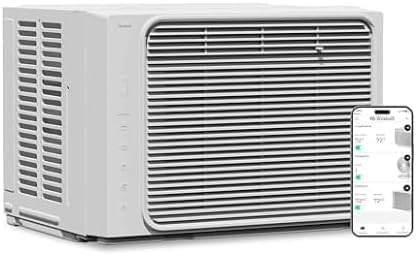
Windmill 6,000 BTU Lite Window Air Conditioner, Cools up to 250 sq ft | Easy Install, Voice-Enabled, Remote Control & App Control, Energy-Efficient AC Unit for Small Spaces
Check price on Amazon
SereneLife Portable AC Unit 8000 BTU | Compact Room Air Conditioner with Dehumidifier & Fan | Energy Efficient 800W Low-Power Motor | Rolling Wheels, Remote, 24-Hour Timer | Window Mount Kit
Check price on Amazon
Midea 7,800 BTU Window Air Conditioner, Inverter Technology, 340 Sq Ft | Energy Star Rated, Quiet Operation, Electronic Controls, Remote Control, 37% Energy Savings, White
Check price on Amazon